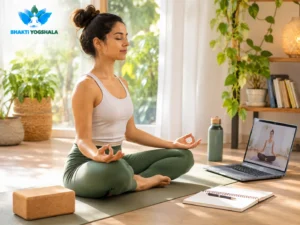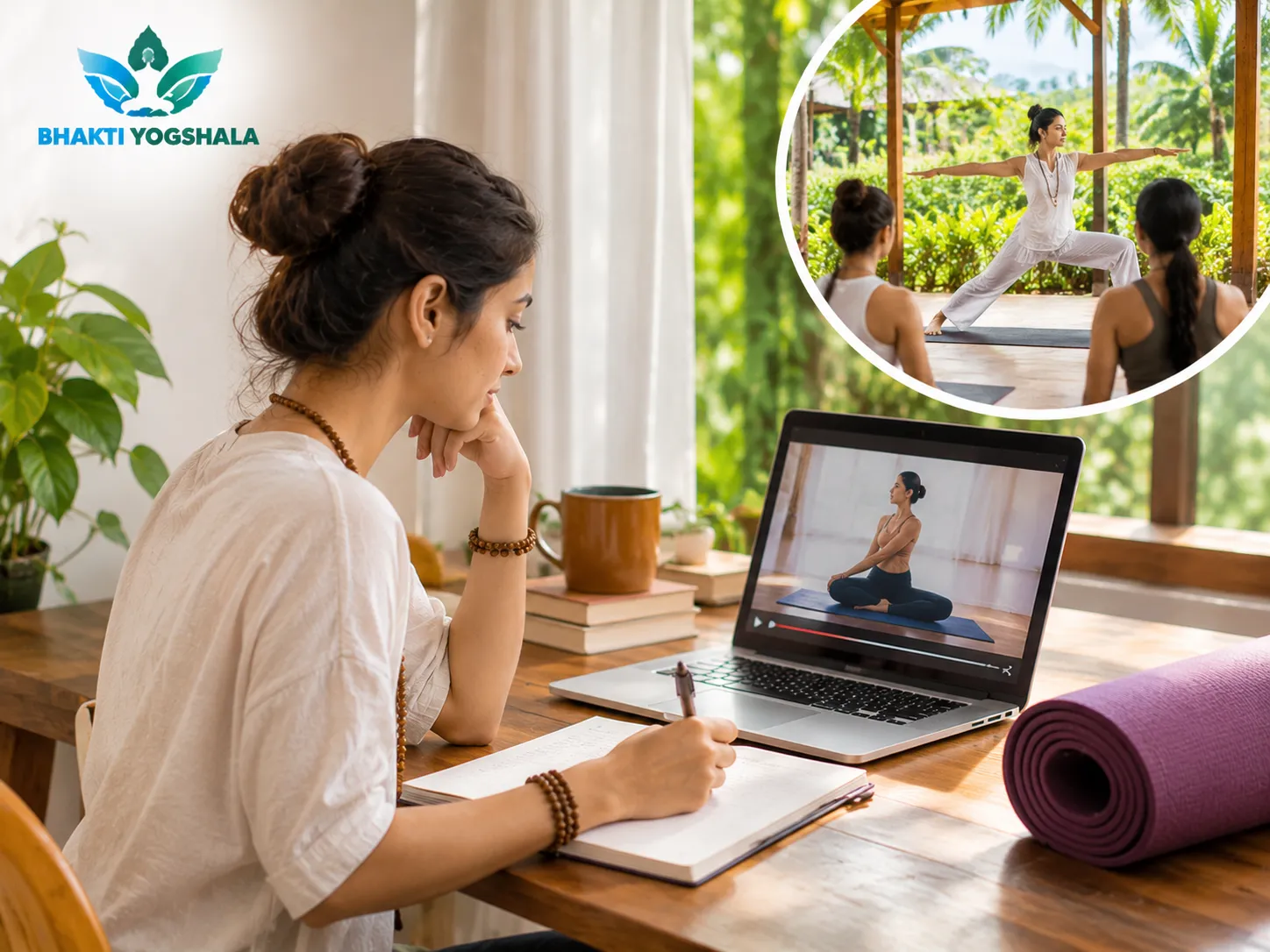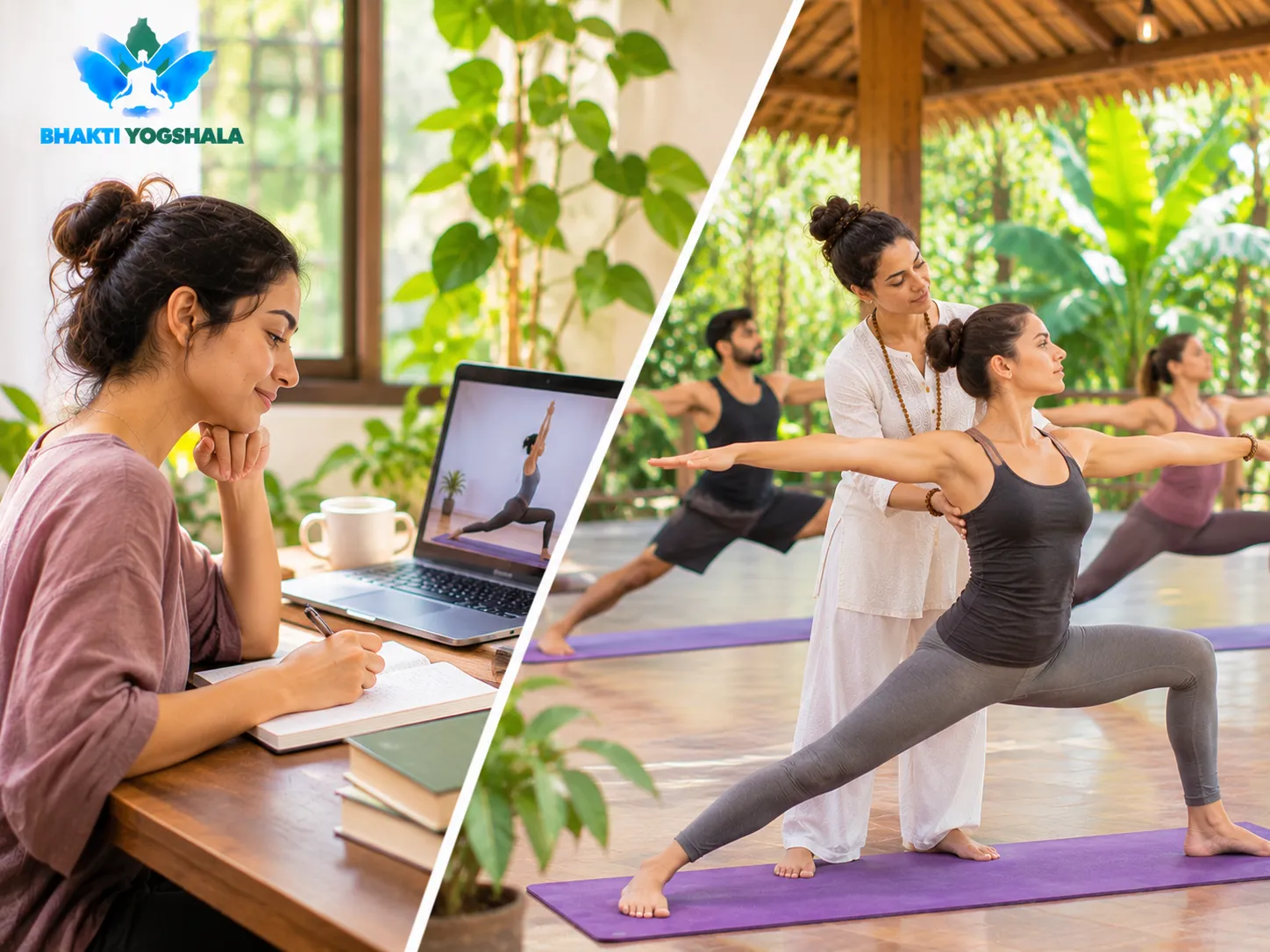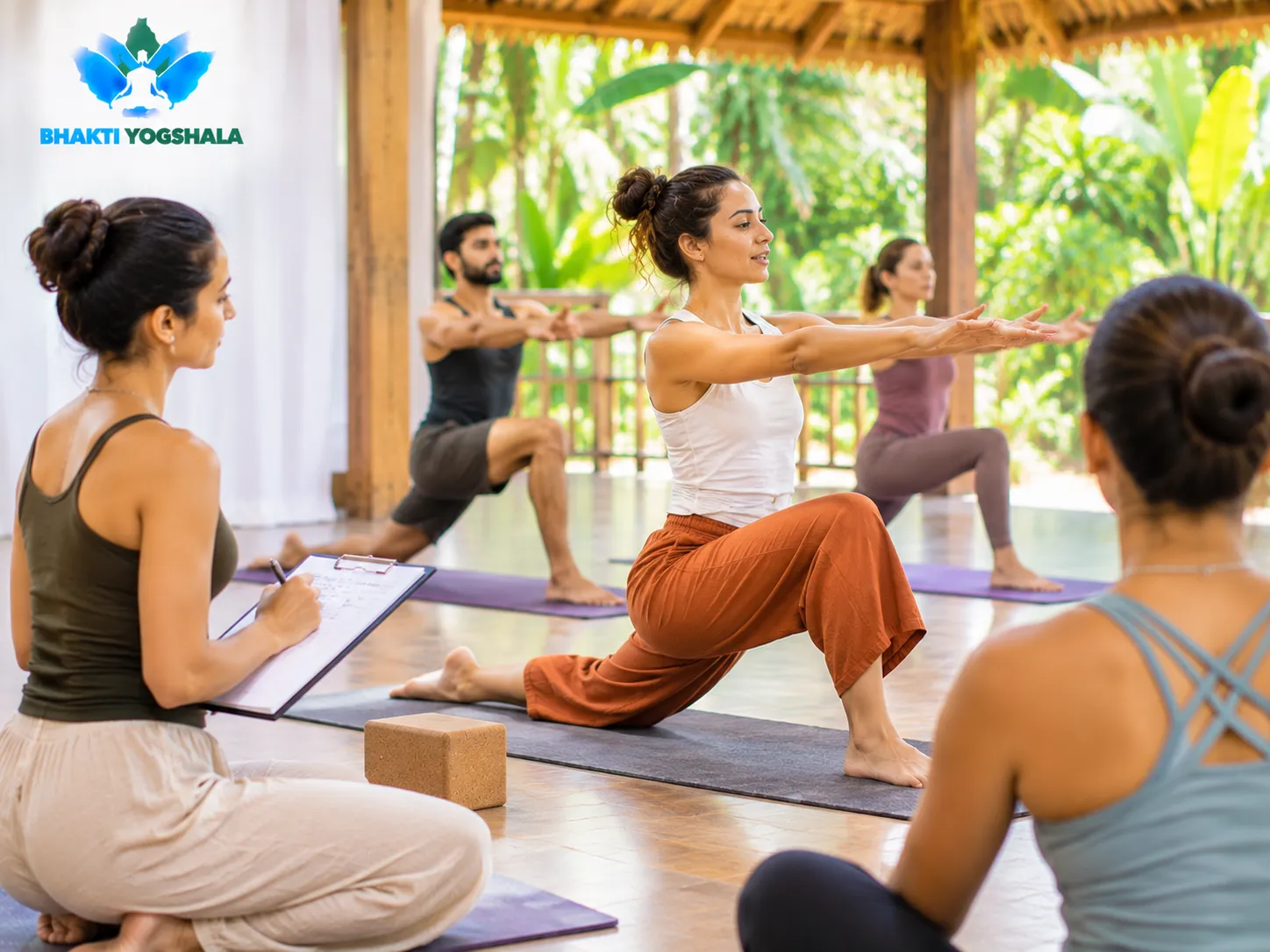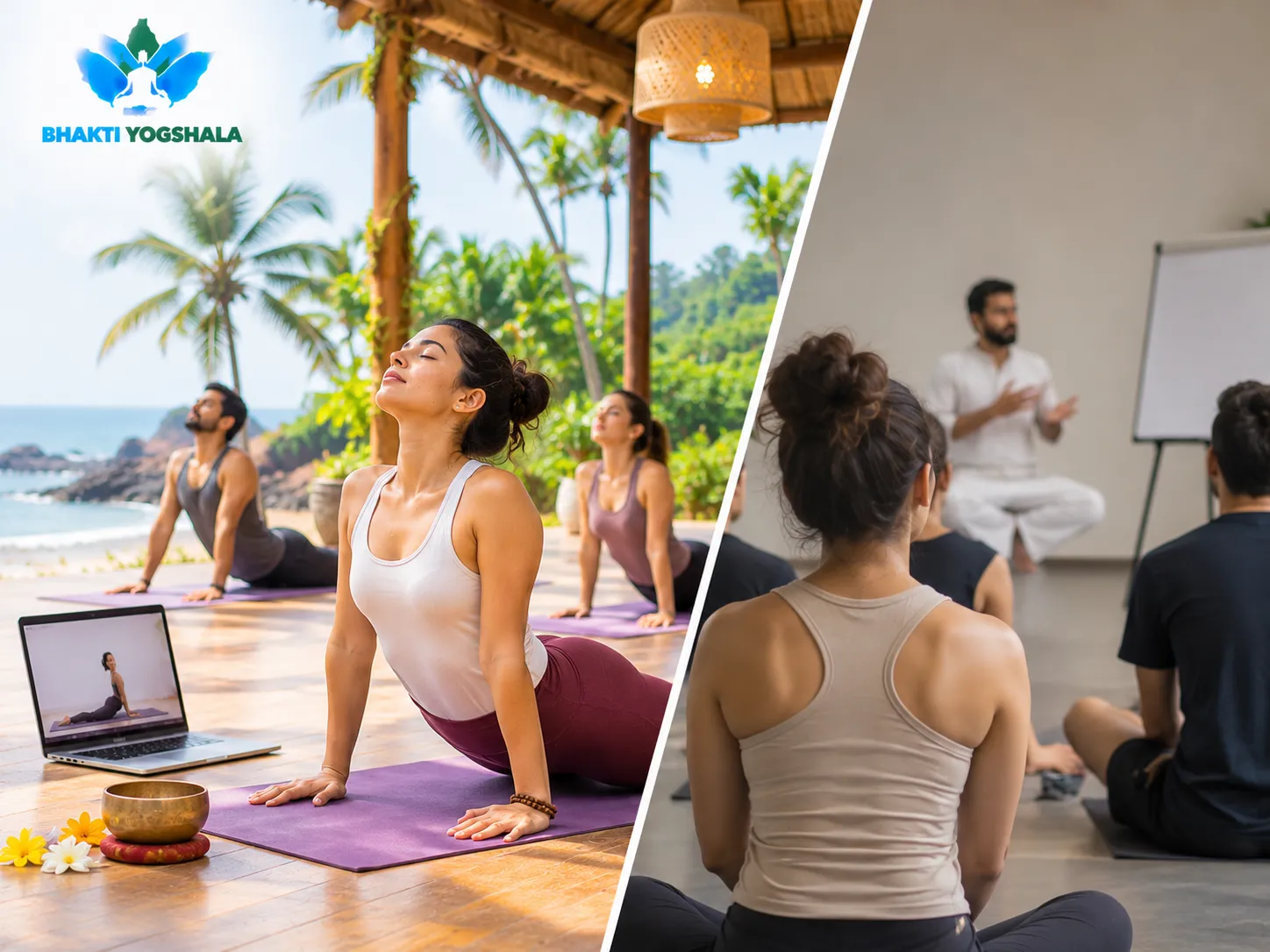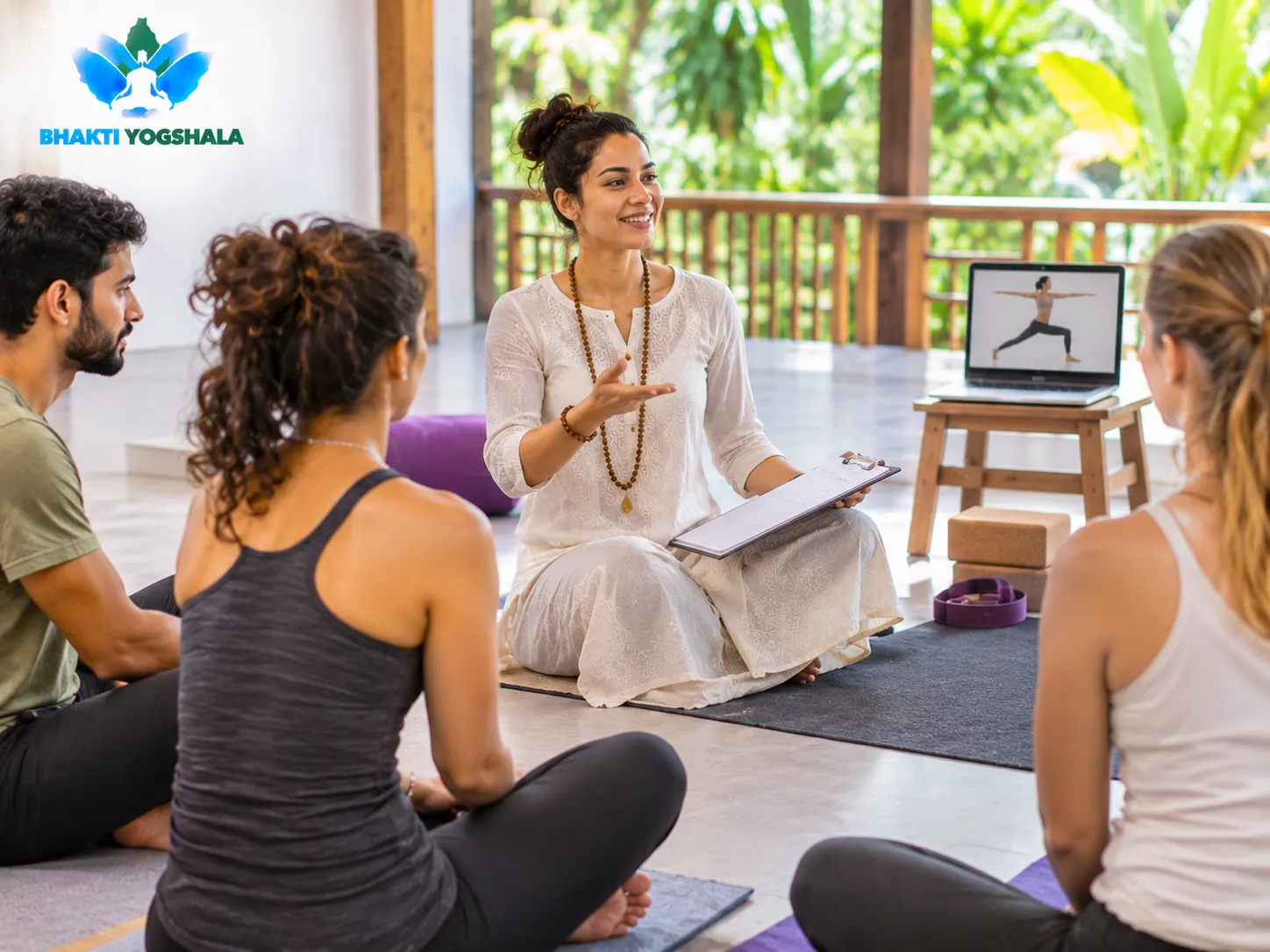
Starting an online yoga teacher training programme gives you the freedom to study from home. You can revisit recorded lessons, attend live classes and organise your learning around work or family commitments.
That flexibility also creates a challenge. Without a fixed classroom schedule, it is easy to postpone practice, leave lessons unfinished or struggle to maintain a regular routine.
A simple weekly plan can help. Set aside specific hours for asana practice, breathing exercises, meditation and course study. Keep your goals realistic and adjust the schedule when your daily responsibilities change.
If you are studying yoga online, here are practical ways to maintain your practice without making your training feel like another full-time responsibility.
Why Maintaining a Regular Yoga Practice Can Be Difficult During Online Training
Online learning gives students more control over their schedules, but it also requires personal organisation.
Some students have full-time jobs. Others manage household responsibilities, university classes or childcare. Finding a suitable time for yoga practice can become difficult when several commitments compete for attention.
There are a few common reasons why students struggle:
- Unplanned study hours: Without a fixed timetable, lessons can keep getting postponed.
- Too much screen time: Watching recorded classes and studying theory can leave little time for movement.
- Unrealistic expectations: Trying to practise for several hours every day may become difficult to sustain.
- Lack of a routine: Changing practice times frequently makes it harder to establish a regular habit.
- Limited interaction: Students may miss the structure of attending a physical class with other practitioners.
Recognising the reason behind an inconsistent routine makes it easier to find a practical solution.
Create a Yoga Schedule That Fits Your Daily Routine
Start by looking at your existing commitments. Choose a time when you can practise without repeatedly interrupting your work or personal responsibilities.
You do not have to follow the same schedule as someone else.
For example, a student who works during the day may prefer morning practice, while someone with flexible working hours may choose late afternoon.
Here is an example of a manageable weekly routine:
Day | Practice | Study |
Monday | Hatha Yoga and breathing | Anatomy |
Tuesday | Vinyasa practice | Yoga philosophy |
Wednesday | Gentle asana and meditation | Recorded lesson |
Thursday | Ashtanga practice | Teaching methodology |
Friday | Yin Yoga | Revision |
Saturday | Longer personal practice | Live class or coursework |
Sunday | Rest or gentle movement | Weekly review |
Use this as a starting point rather than a compulsory timetable. Adapt the sessions to your experience, available time and course requirements.
Set Realistic Practice Goals
One reason students lose consistency is that they expect too much from themselves at the beginning.
If you are studying yoga while managing other responsibilities, start with a practice duration you can maintain.
For example, you might begin with:
- 20 minutes of asana practice.
- 10 minutes of pranayama, if suitable for your experience.
- 5 to 10 minutes of meditation.
These are suggested practice blocks, not mandatory training requirements.
You can gradually adjust the duration as your schedule becomes more settled.
It also helps to set a specific goal for each session. One day, you may focus on Surya Namaskar. Another day, you might review standing postures or practise a breathing technique already covered in your course.
A clear purpose makes it easier to begin.
Separate Yoga Practice From Online Coursework
Yoga teacher training involves more than following physical classes.
Students also need time to study anatomy, understand yoga philosophy, review teaching methodology and prepare for assessments.
Trying to combine every activity into one long session can make the schedule difficult to follow.
Instead, divide your day into separate learning periods.
For example:
Morning: Personal asana practice and pranayama.
Afternoon: Watch a recorded lesson or study anatomy.
Evening: Review notes, revise yoga philosophy or attend a scheduled live session.
Keeping practical training and theoretical study separate also gives you a clearer idea of how much time each activity requires.
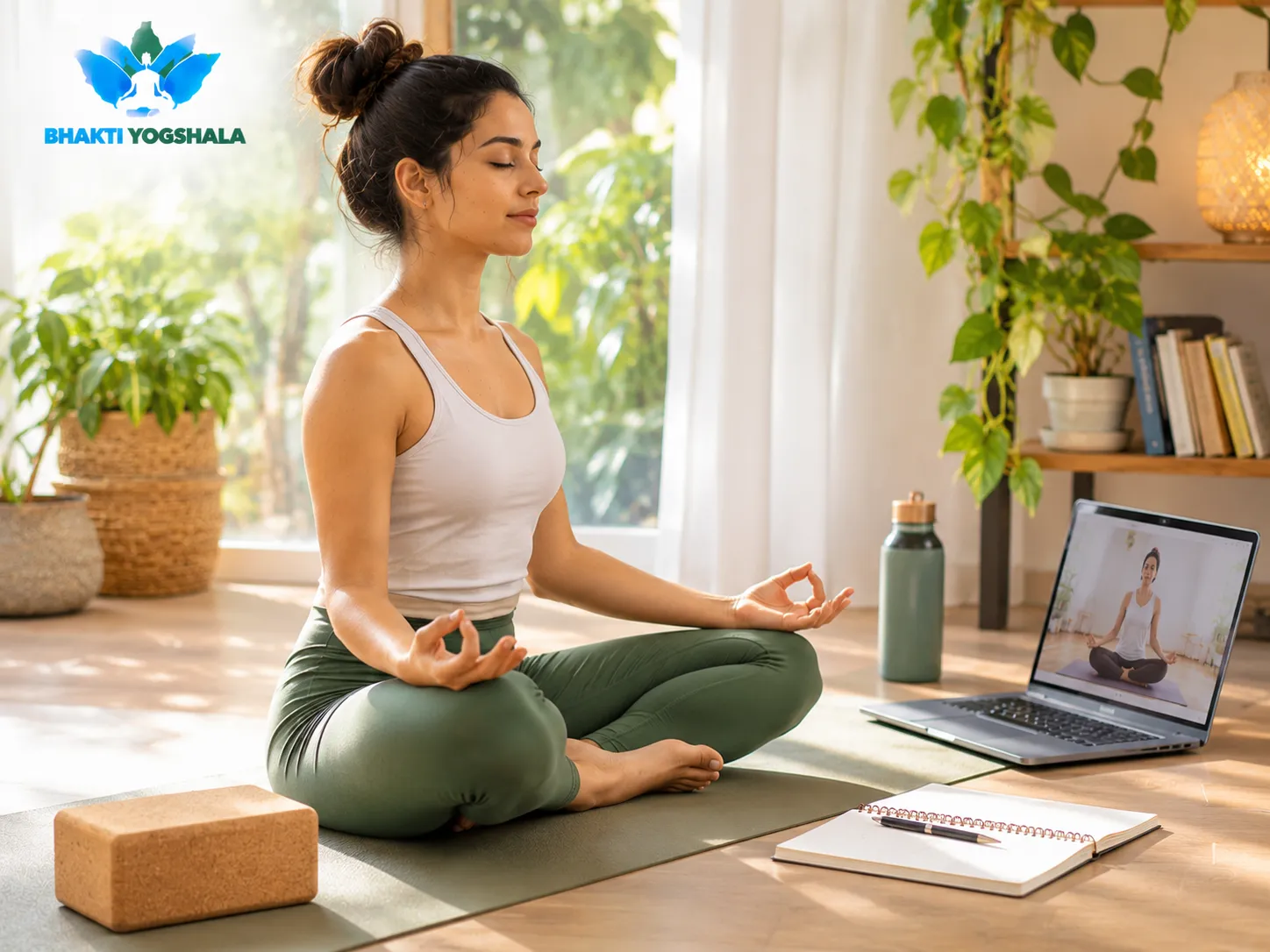
Create a Dedicated Space for Your Home Practice
You do not need a large room or a fully equipped yoga studio to practise at home.
Choose a quiet area where you can place your yoga mat without having to rearrange the space every day.
Keep the essentials nearby:
- Yoga mat.
- Comfortable clothing.
- Yoga blocks, if needed.
- Strap or belt, if used in your practice.
- Water bottle.
- Course notebook.
Try to reduce interruptions during your practice period. Put your phone on silent unless you need it for an online class.
If you share your home with family members or roommates, let them know when you have scheduled a session.
A consistent practice space can make it easier to begin at the planned time.
Use Recorded Lessons and Live Sessions Effectively
Online yoga teacher training programmes often combine recorded study materials with live interaction.
Bhakti Yogshala’s 200-hour online yoga teacher training programme includes pre-recorded lessons and interactive live sessions. Students can revisit recorded modules and interact with teachers during live classes.
These two formats can support different parts of your learning routine.
Use recorded lessons when you need to review a subject or study at a convenient time. Keep notes on questions that arise while watching the material.
Use live sessions to ask questions, discuss difficult concepts and receive guidance from teachers.
Avoid watching several lessons continuously without applying what you have studied. Leave time for practice and revision between modules.
You can explore the online yoga teacher training programme at Bhakti Yogshala to understand its course format and learning materials.
What to Do When You Miss a Practice Session
Missing a yoga session occasionally does not mean your routine has failed.
Work schedules change, family responsibilities come up and some days are simply more demanding than others.
The important thing is to return to your routine without trying to compensate for every missed session.
A few practical steps can help:
- Resume with your next planned practice.
- Avoid doubling the duration to make up for a missed day.
- Review what interrupted your schedule.
- Adjust your weekly plan if the same problem keeps occurring.
- Choose a shorter session when your available time is limited.
For example, if you miss your usual morning practice because of work, you could move a shorter session to the evening if it fits your day.
Do not treat every missed session as a reason to abandon the rest of the week’s schedule.
Balance Physical Practice With Yoga Theory
Online yoga teacher training requires attention to both practice and study.
Spending all your available time watching asana demonstrations may leave you with less time to understand the principles behind those movements.
Likewise, studying philosophy or anatomy for several hours without taking time to practise can make it difficult to connect theory with your own experience.
Bhakti Yogshala’s published online curriculum covers subjects including:
- Hatha Yoga.
- Ashtanga Vinyasa.
- Vinyasa Flow.
- Yin Yoga.
- Yoga anatomy and physiology.
- Pranayama.
- Meditation.
- Yoga philosophy.
- Teaching methodology.
Try to connect what you study with your regular practice.
For example, after studying a particular posture in an anatomy lesson, review the movement during your next appropriate asana session. When studying teaching methodology, practise giving clear verbal instructions for a sequence you already know.
Follow the course’s prescribed practice and assessment requirements, and ask your instructor when you are unsure about a technique.
How Bhakti Yogshala Supports Online Yoga Teacher Training
Bhakti Yogshala offers a 200-hour online yoga teacher training programme for students who want to study yoga remotely.
Its published course information describes a learning format that combines recorded lessons with interactive live sessions.
The programme also includes downloadable study materials and a study guide. Students can access a private learning group where they can ask questions and receive additional guidance.
The published curriculum covers multiple yoga styles, including Hatha, Vinyasa, Ashtanga Vinyasa and Yin Yoga. It also includes anatomy, pranayama, meditation, yoga philosophy and teaching methodology.
The course information lists a theory examination and an anatomy presentation among its assessment activities.
Students can review the Bhakti Yogshala online yoga certification course for further information about the programme.
Those who prefer residential training can also explore the school’s 200-hour yoga teacher training in Goa, which takes place in Agonda.
The online and residential programmes have different learning arrangements. Contact the school if you need help deciding which format suits your schedule.
Frequently Asked Questions
1. How can I stay consistent with yoga practice during online training?
Choose fixed practice times, create a manageable weekly schedule and set realistic goals. Keep your practice space ready and review your progress at the end of each week.
2. How much time should I spend practising yoga daily?
The appropriate duration depends on your experience, schedule and course requirements. You can begin with a manageable session and adjust it as your routine develops. Follow your instructor’s guidance for required training hours.
3. Can I study yoga teacher training while working full-time?
Yes. An online programme can offer more scheduling flexibility than a residential course. However, you still need to reserve time for recorded lessons, live sessions, personal practice and assessments.
4. What should I do if I miss a day of yoga practice?
Return to your next planned session. You do not need to double your practice to compensate for a missed day. Adjust your schedule if necessary.
5. Are recorded yoga lessons enough to maintain a regular practice?
Recorded lessons can help you follow a planned routine and revisit techniques. Live sessions and teacher interaction can also provide opportunities to ask questions and receive guidance.
6. How do I balance yoga practice and theoretical study?
Separate physical practice from coursework. Allocate specific periods for asana, pranayama, meditation, anatomy, philosophy and teaching methodology.
7. Does Bhakti Yogshala offer online yoga teacher training?
Yes. Bhakti Yogshala offers a 200-hour online yoga teacher training programme with recorded lessons and interactive live sessions.
8. Can I choose between online and residential yoga teacher training?
Bhakti Yogshala publishes separate online and residential 200-hour programmes. You can compare their schedules and learning formats before choosing.
Start Building a Routine That Works for You
Consistency develops through regular practice and a schedule that fits your actual responsibilities.
Start with a manageable plan. Set aside time for physical practice, complete your coursework in smaller sessions and stay connected with your instructors when you need guidance.
If you are considering structured online yoga education, explore the 200-hour online yoga teacher training course at Bhakti Yogshala to review the curriculum, learning format and enrolment details.
Bhakti Yogshala
Location: Main, Agonda Beach Road, Agonda, Goa 403702
Phone: +91 9897355995
Email: bhaktiyogshala@gmail.com