Surya Namaskar (Sun Salutation) is a 12-step yoga sequence performed with synchronized breathing. It improves flexibility, strength, lung capacity, digestion, and mental clarity. Each posture flows with inhale or exhale, creating a complete mind-body practice.
What is Surya Namaskar?
Surya Namaskar, also known as Sun Salutation, is a traditional yoga sequence of 12 postures performed in a continuous flow.
“Surya” means Sun.
“Namaskar” means bowing or salutation.
It is traditionally practiced at sunrise to awaken the body and energize the mind.
At Bhakti Yogshala in Goa, Surya Namaskar is taught not just as exercise – but as a meditative and devotional practice.
The 12 Steps of Surya Namaskar (With Breathing Pattern)
Below is the complete breathing sequence:
| Step | Pose Name | Breathing |
|---|---|---|
| 1 | Pranamasana | Exhale |
| 2 | Hasta Uttanasana | Inhale |
| 3 | Padahastasana | Exhale |
| 4 | Ashwa Sanchalanasana | Inhale |
| 5 | Dandasana | Hold |
| 6 | Ashtanga Namaskara | Exhale |
| 7 | Bhujangasana | Inhale |
| 8 | Adho Mukha Svanasana | Exhale |
| 9 | Ashwa Sanchalanasana | Inhale |
| 10 | Padahastasana | Exhale |
| 11 | Hasta Uttanasana | Inhale |
| 12 | Pranamasana | Exhale |
Now let’s break them down in detail:
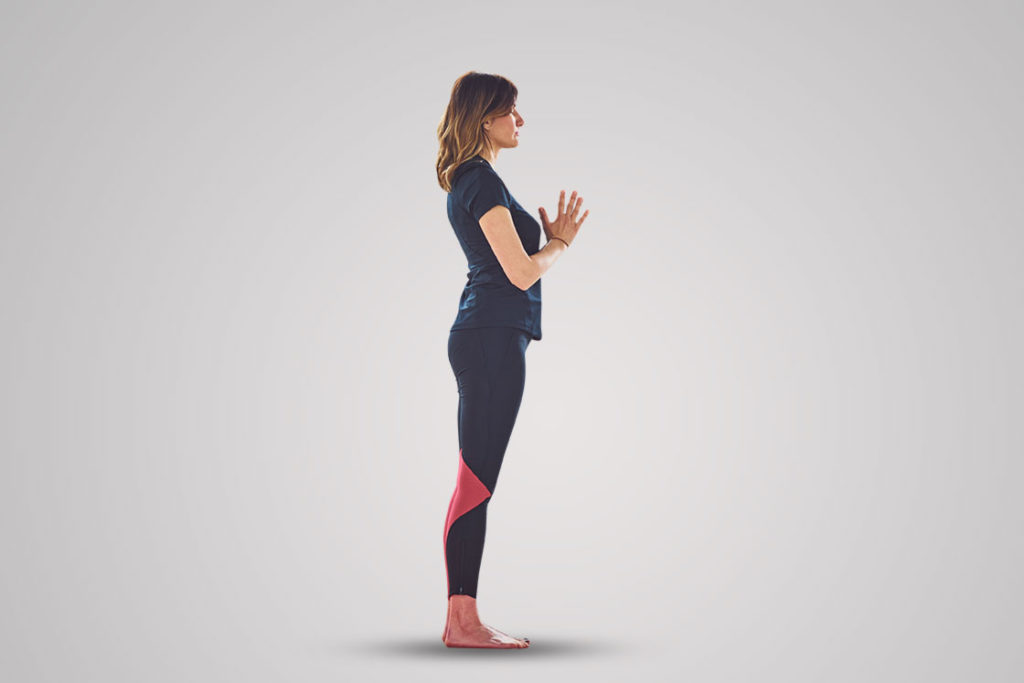
Pranamasana (Prayer Pose) – Exhale
-
Stand straight at the top of your mat
-
Join palms in front of the chest
-
Relax shoulders and lengthen the spine
Breathing: Exhale completely.
Benefit: Calms the mind and improves posture.
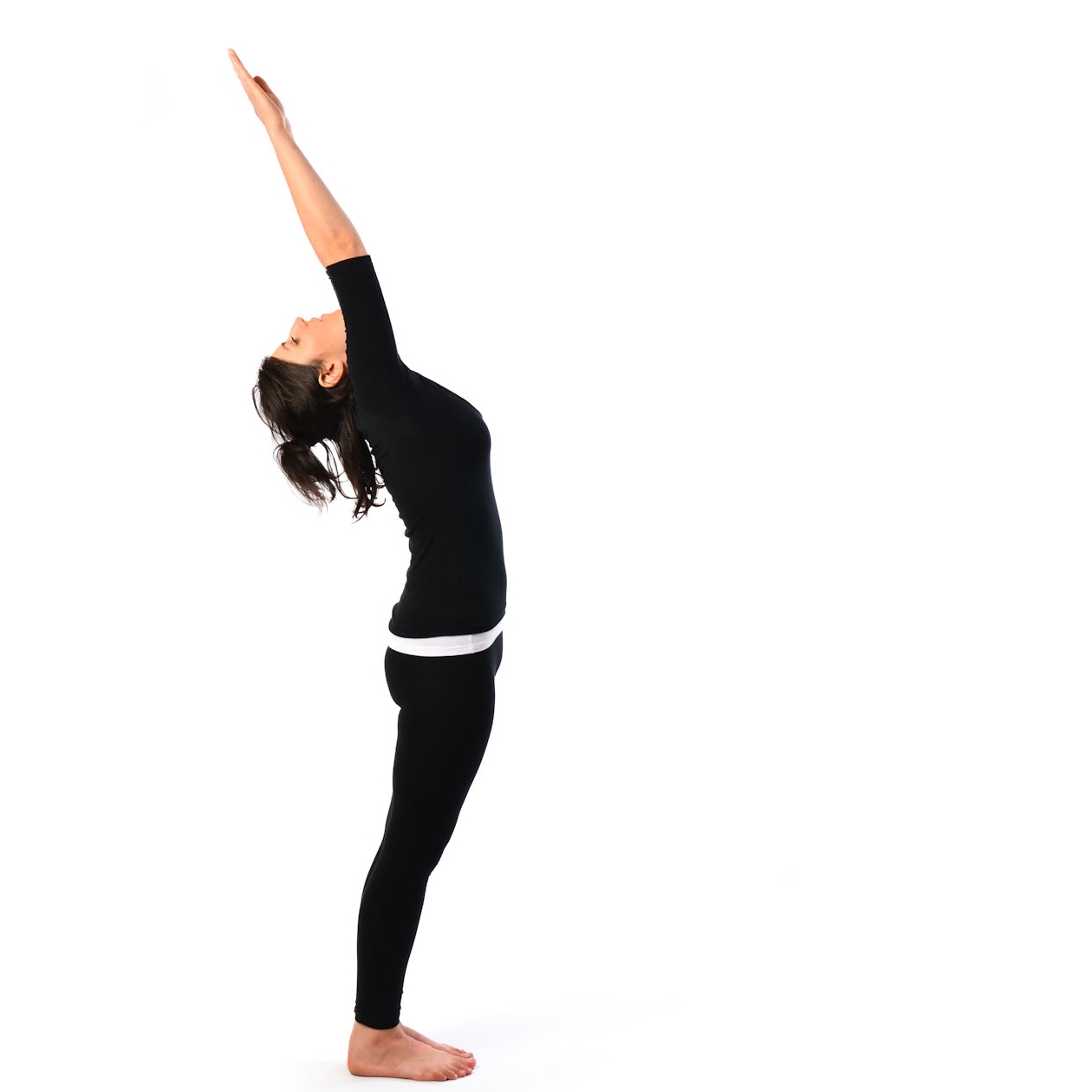
Hasta Uttanasana (Raised Arms Pose) – Inhale
-
Raise your arms overhead
-
Gently arch backward
-
Stretch the entire front body
Breathing: Inhale deeply while lifting.
Benefit: Expands lungs and improves digestion.
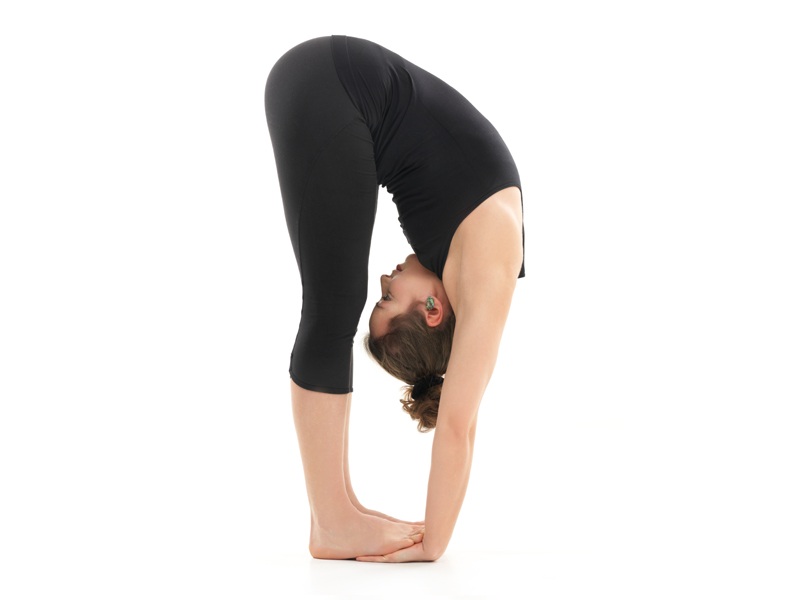
Padahastasana (Forward Fold) – Exhale
-
Fold forward from the hips
-
Bring hands beside feet
-
Try to keep knees straight
Breathing: Exhale fully.
Benefit: Stretches hamstrings and improves blood circulation to the brain.
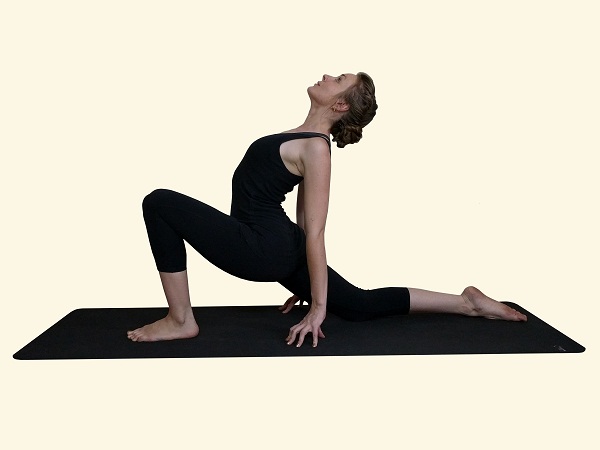
Ashwa Sanchalanasana (Equestrian Pose) – Inhale
-
Step right leg back
-
Lower knee to the mat
-
Look forward and lift chest
Breathing: Inhale deeply.
Benefit: Strengthens legs and improves balance.
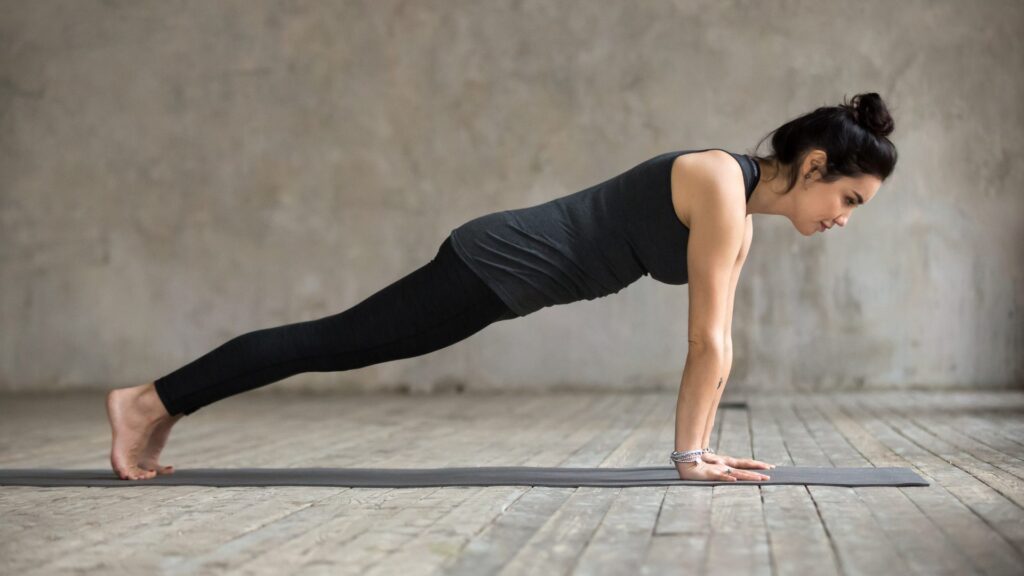
Dandasana (Plank Pose) – Hold Breath
-
Step the left leg back
-
Body in a straight line
-
Engage core muscles
Breathing: Retain breath briefly.
Benefit: Builds arm and core strength.
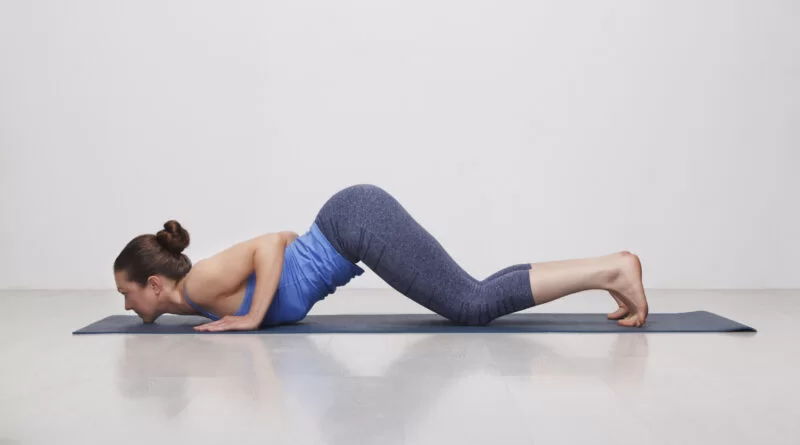
Ashtanga Namaskara (Eight-Limbed Pose) – Exhale
-
Lower knees, chest, and chin to the floor
-
Hips slightly lifted
Breathing: Exhale as you lower down.
Benefit: Strengthens arms and prepares for backbend.
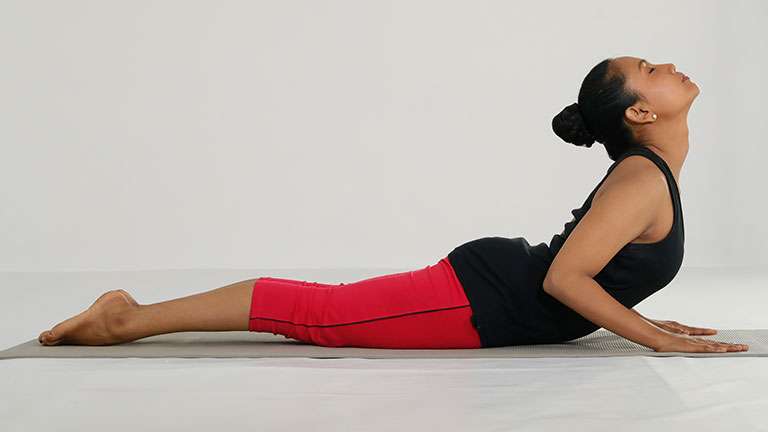
Bhujangasana (Cobra Pose) – Inhale
-
Slide forward
-
Lift chest upward
-
Keep elbows slightly bent
Breathing: Inhale deeply.
Benefit: Improves spinal flexibility and opens the heart.
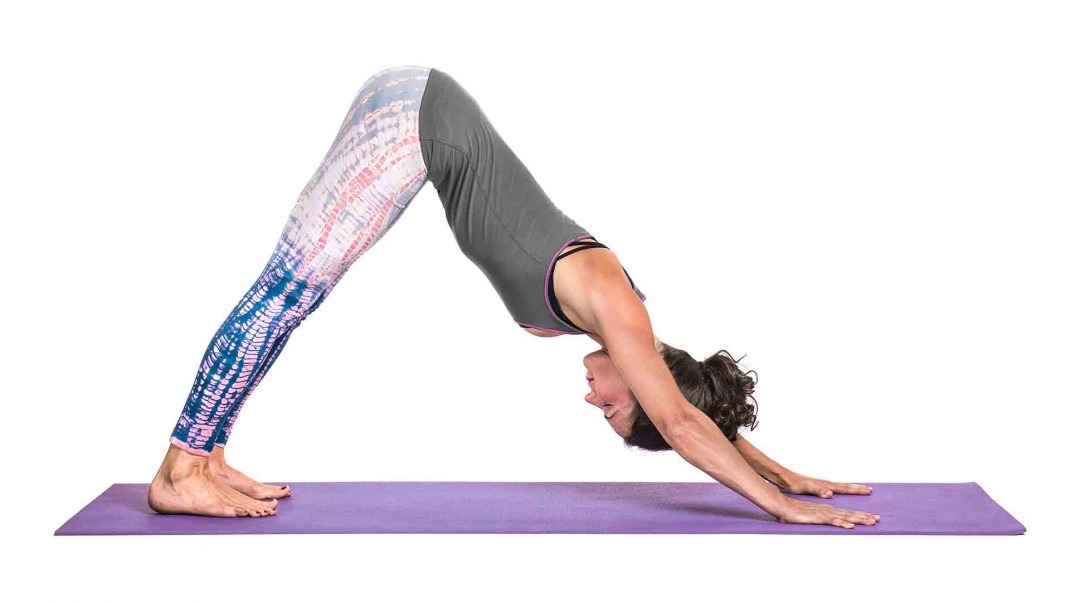
Adho Mukha Svanasana (Downward Dog) – Exhale
-
Lift hips upward
-
Form an inverted “V” shape
-
Press heels toward the floor
Breathing: Exhale slowly.
Benefit: Improves circulation and stretches full body.
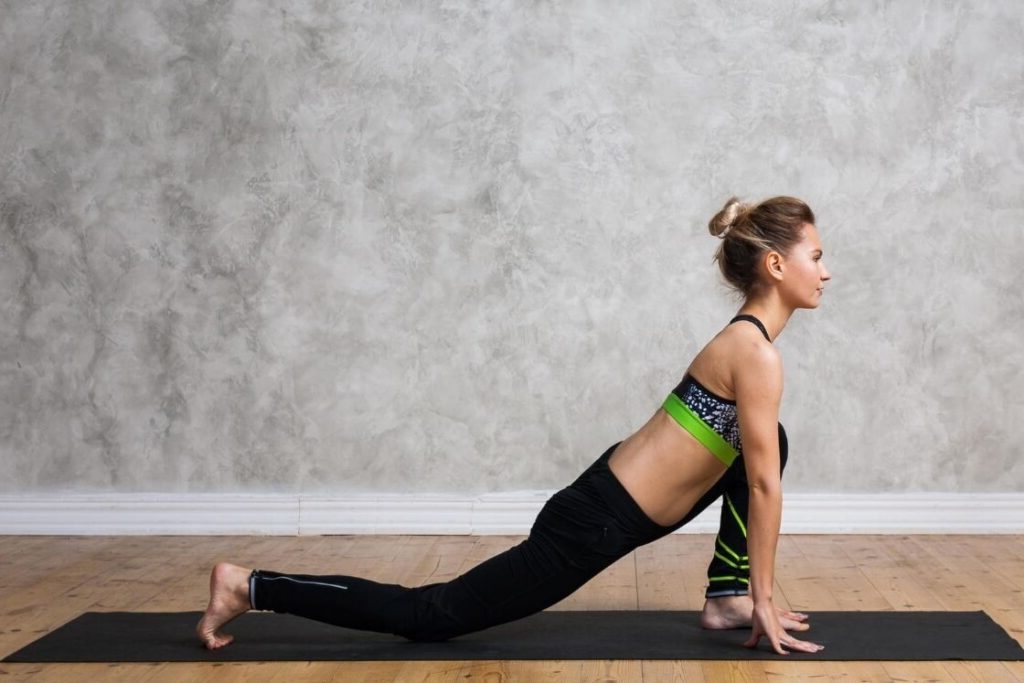
Ashwa Sanchalanasana – Inhale
-
Step right foot forward
-
Lower left knee
-
Lift chest
Breathing: Inhale deeply.
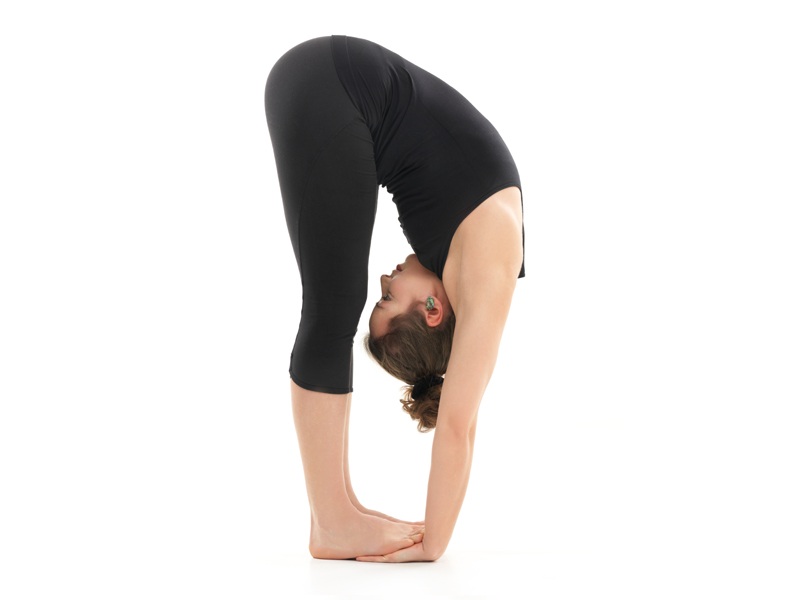
Padahastasana – Exhale
-
Bring left foot forward
-
Fold completely
Breathing: Exhale fully.
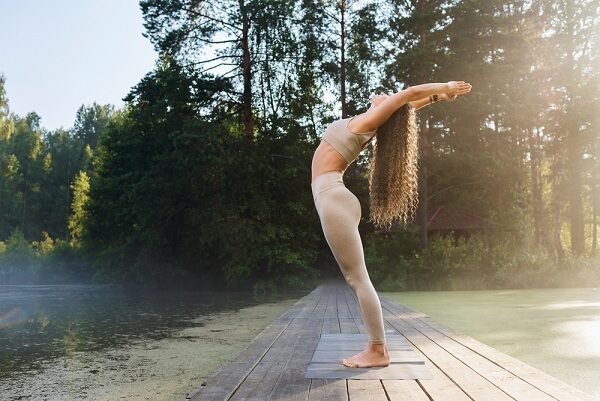
Hasta Uttanasana – Inhale
-
Lift arms up
-
Gentle backbend
Breathing: Inhale deeply.
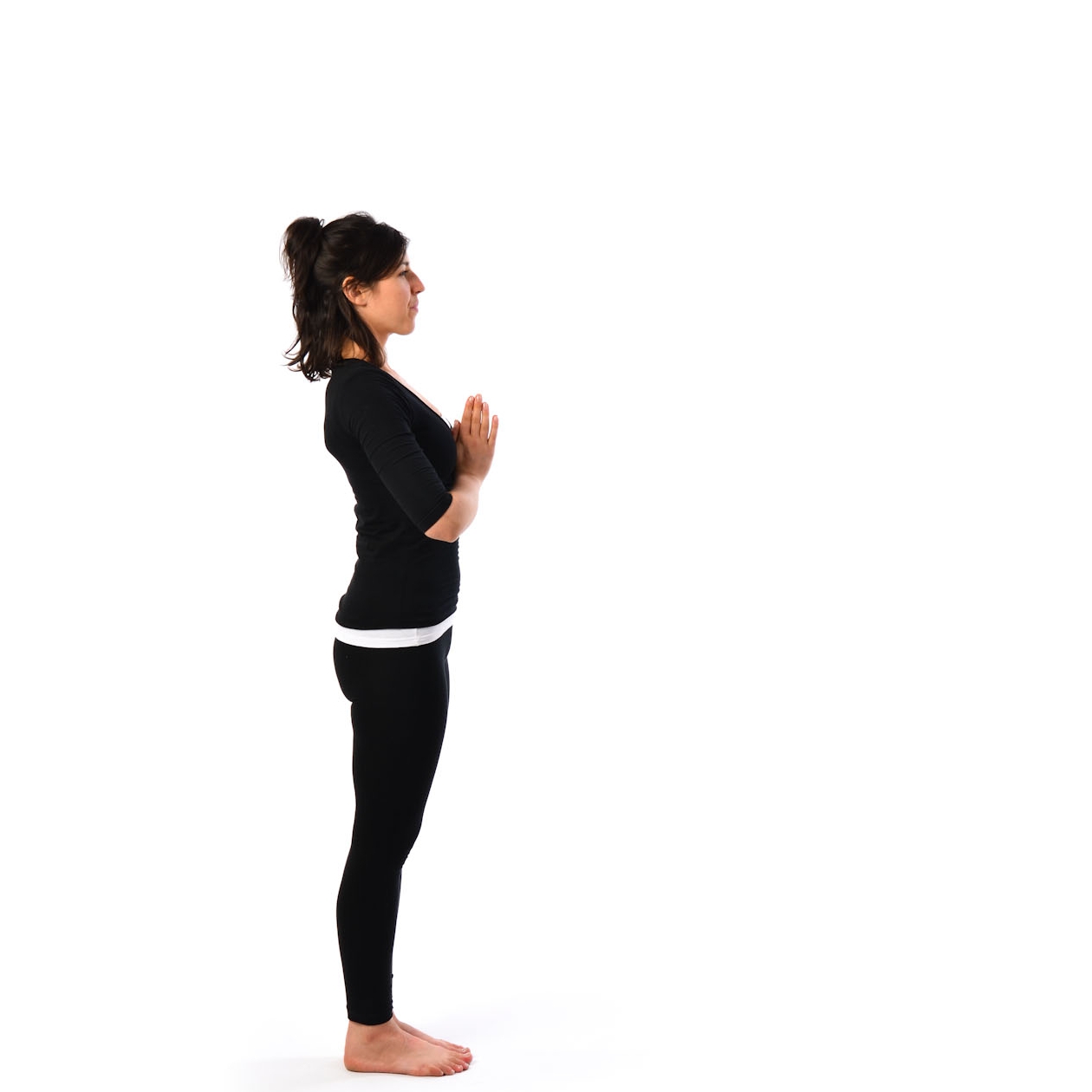
Pranamasana – Exhale
-
Return to standing
-
Hands in prayer position
Breathing: Exhale and relax.
One full round is complete.
Benefits of Surya Namaskar (Backed by Practice & Physiology)
Surya Namaskar activates almost every major muscle group.
Physical Benefits:
-
Improves flexibility
-
Builds strength
-
Boosts metabolism
-
Supports weight management
-
Enhances lung capacity
-
Improves spinal mobility
Mental Benefits:
-
Reduces stress
-
Improves focus
-
Balances mood
-
Builds discipline
Energetic Benefits:
-
Activates solar plexus
-
Improves energy flow
-
Enhances morning vitality
How Many Surya Namaskar Should You Do?
-
Beginners: 4-6 rounds
-
Intermediate: 8-12 rounds
-
Advanced: 24 rounds
Always practice on an empty stomach.
Common Mistakes to Avoid
-
Rushing through movements
-
Ignoring breathing pattern
-
Overarching lower back
-
Locking elbows
-
Forcing flexibility
Move with awareness.
Best Time to Practice Surya Namaskar
-
Early morning at sunrise
-
Facing east
-
Empty stomach
-
Calm environment
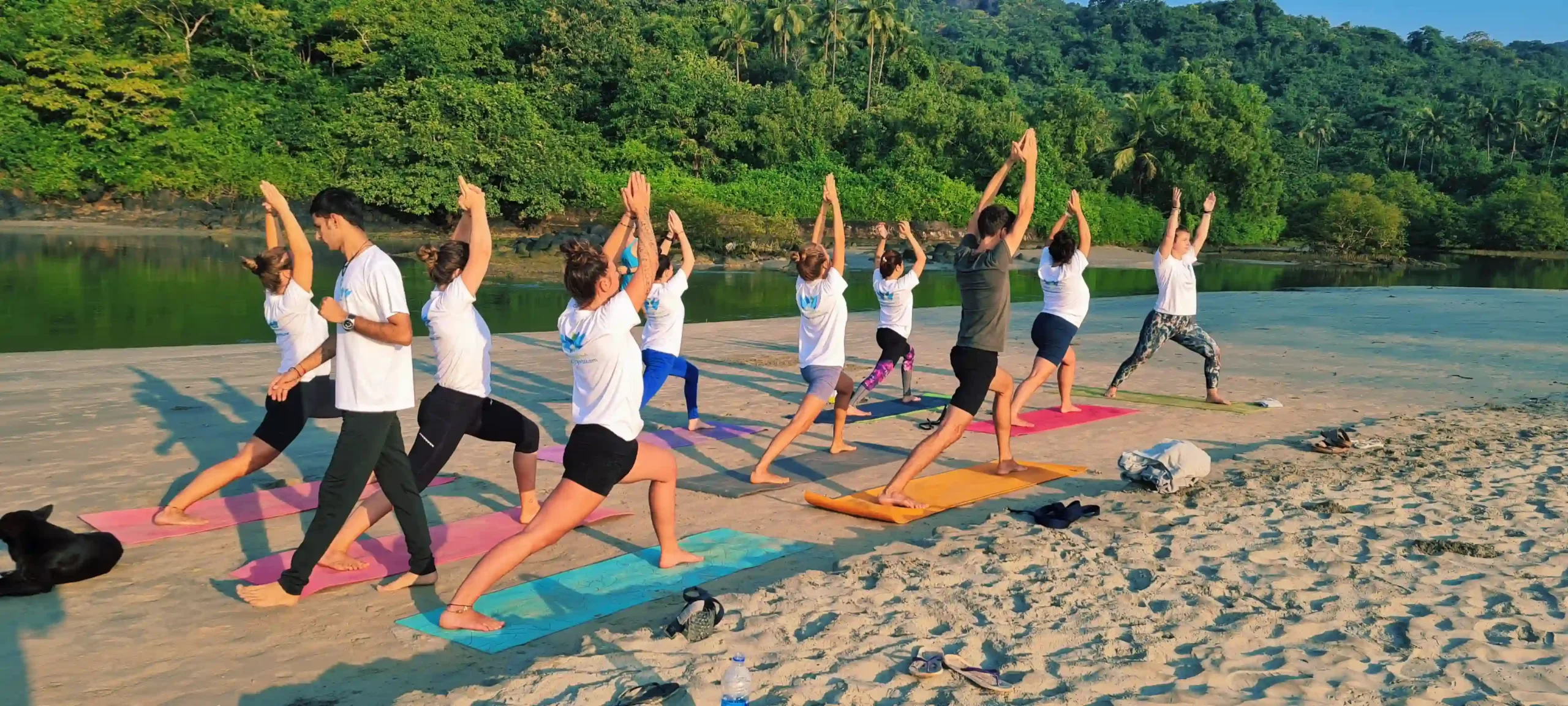
Practicing outdoors – especially near the ocean in Goa – enhances breath awareness and grounding.
Why Learn Surya Namaskar in a Structured Yoga Program?
While many people practice Sun Salutation from videos, proper alignment, breath control, and energetic awareness require guidance.
At Bhakti Yogshala in Goa, Surya Namaskar is taught as part of a deeper yogic journey including:
-
Pranayama
-
Meditation
-
Alignment correction
-
Philosophy of Bhakti
This transforms the practice from exercise into self-development.
Surya Namaskar in Goa – A Unique Experience
Many international students choose Goa for yoga training because of its balanced atmosphere – peaceful yet vibrant.
Frequently Asked Questions (FAQ)
1. How long does one round of Surya Namaskar take?
One slow round takes about 3-5 minutes.
2. Can beginners practice Surya Namaskar?
Yes. Modifications like bending knees make it accessible.
3. Is Surya Namaskar good for weight loss?
Yes, when practiced consistently it boosts metabolism.
4. Can I do Surya Namaskar every day?
Yes, daily practice is safe for most healthy individuals.
5. Should I practice fast or slow?
Beginners should practice slowly focusing on breath.
Final Thoughts
The 12 steps of Surya Namaskar create a complete yoga practice combining strength, flexibility, breath control, and mindfulness.
Whether you practice at home or in a structured yoga training program, consistency is key.
If you wish to deepen your understanding of traditional yoga beyond physical postures, consider joining a guided yoga program in Goa where Surya Namaskar is taught with alignment, breathwork, and spiritual context.