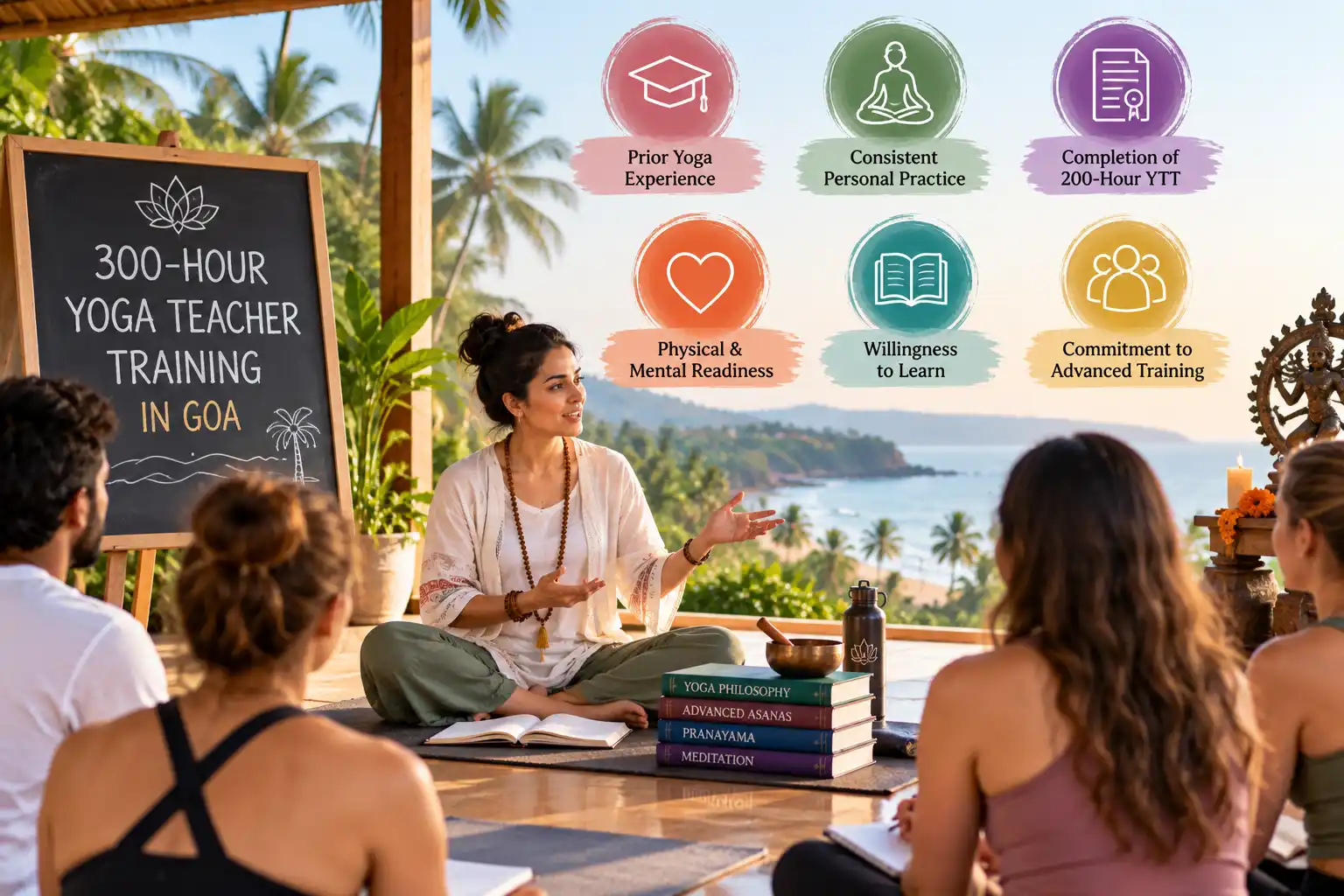
Choosing 300 hours yoga teacher training in GOA can be an important step for practitioners who want to deepen their yoga knowledge, strengthen their teaching abilities, and explore advanced aspects of the practice. Unlike a beginner-level teacher training program, a 300-hour course generally expects students to have an established understanding of yoga and some previous experience with practice or teaching.
Eligibility requirements can vary depending on the yoga school, teaching tradition, curriculum, and course structure. Some programs may require applicants to have completed a 200-hour Yoga Teacher Training (YTT), while others may consider applicants with substantial personal practice or teaching experience.
Understanding these requirements before enrolling can help you choose a program that matches your current abilities and future goals. Schools such as Bhakti Yogshala may structure advanced training around deeper study, practical teaching, and continued personal development.
Who Can Apply for 300 Hours Yoga Teacher Training in Goa?
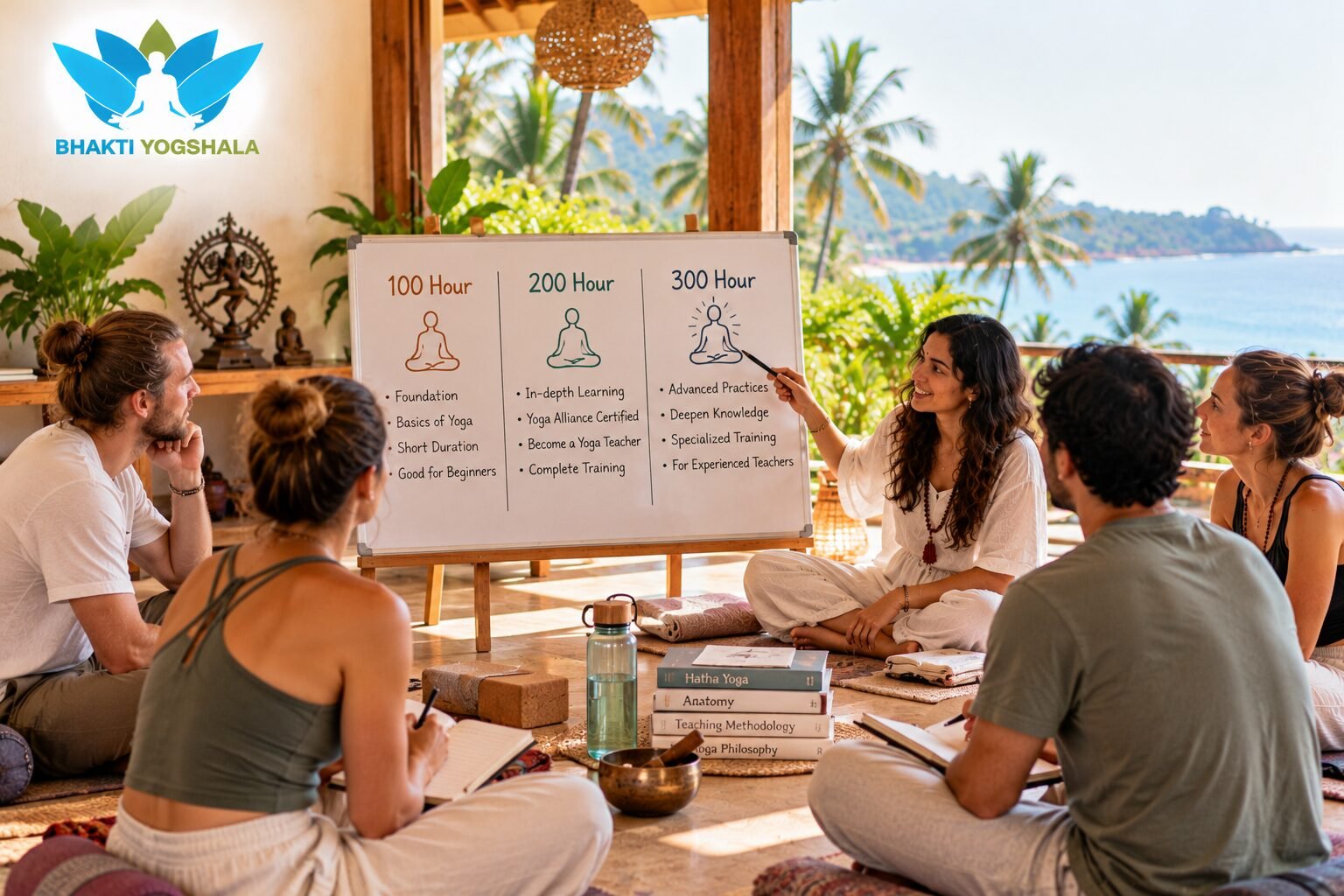
A 300-hour teacher training program is generally designed for practitioners who already have a foundation in yoga. It is usually considered an advanced or continuing education program rather than an introduction to yoga teaching.
Applicants may have different backgrounds. Some may already teach yoga classes, while others may have completed a foundational teacher training course and want to expand their knowledge in areas such as philosophy, anatomy, meditation, pranayama, or advanced teaching methodology.
The exact eligibility criteria should always be confirmed with the yoga school before registration. Depending on the institution, requirements may include previous certification, minimum practice experience, teaching experience, an application form, or an interview.
These requirements help ensure that students are prepared to participate comfortably in both the practical and theoretical components of advanced training.
Do You Need a 200-Hour Yoga Teacher Training Certificate?
One of the most common questions about 300 hours yoga teacher training in GOA is whether a 200-hour YTT certificate is mandatory.
Many advanced programs are designed for graduates of a 200-hour Yoga Teacher Training course. A foundational YTT usually introduces students to subjects such as asana, pranayama, meditation, anatomy, yoga philosophy, sequencing, and teaching methodology. Having this background can make it easier to understand the more detailed subjects covered during 300-hour training.
However, the requirement is not identical at every school. Some institutions may consider applicants who have extensive yoga teaching or personal practice experience, even if their previous training followed a different pathway.
Before enrolling, ask the school whether a 200-hour certification is compulsory, whether certificates from different traditions are accepted, and whether equivalent experience can satisfy the prerequisite.
How Much Yoga Experience Should You Have?
Previous experience is an important consideration when applying for advanced teacher training. A 300-hour course may include detailed alignment principles, advanced sequencing, deeper philosophy, pranayama, meditation, anatomy, and teaching methodology.
You should generally be comfortable with regular yoga practice and familiar with common yoga terminology. Experience with different yoga styles can also be useful because it may help you understand different approaches to sequencing and instruction.
However, being flexible or performing advanced postures is not necessarily a requirement. Yoga teacher training is not an athletic competition. Awareness, consistency, discipline, and an understanding of your body’s limitations are more valuable than physical performance.
If you have only recently started practicing yoga, a foundational teacher training course may provide a stronger preparation before progressing to an advanced 300-hour program.
Is Teaching Experience Required?
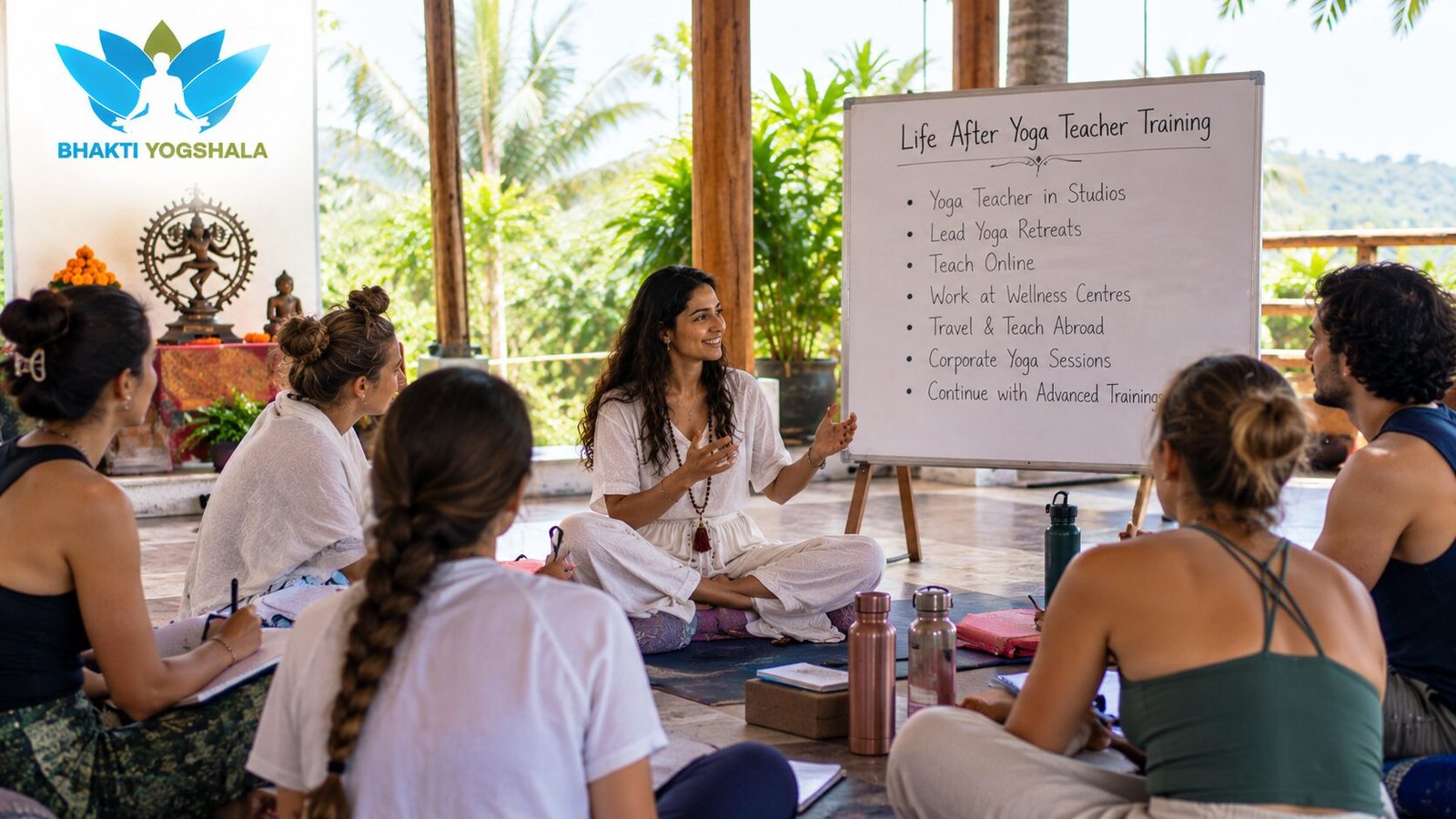
Teaching experience can be beneficial, especially when a 300-hour program focuses on improving existing instructional skills. Students may be expected to create sequences, lead practice sessions, provide modifications, observe students, and receive feedback from instructors.
Some schools may require applicants to have previous teaching experience, while others may accept students who have completed foundational training and have sufficient personal practice.
If you already teach yoga, advanced training can provide an opportunity to examine your current approach. You may work on verbal cues, sequencing, class planning, student observation, communication, and adapting practices for different students.
The objective is not simply to teach more postures. It is to develop a deeper and more responsible approach to guiding students through yoga practice.
What Academic and Personal Qualities Can Help?
Formal academic qualifications are not always the primary consideration for yoga teacher training. However, students should be prepared for reading, theoretical lessons, discussions, assignments, practical assessments, and independent study.
Advanced courses may explore subjects such as yoga philosophy, anatomy, physiology, meditation, subtle anatomy, traditional texts, teaching methodology, and professional ethics.
Personal discipline is equally important. Intensive residential programs can include early morning practices, multiple daily sessions, independent study, and teaching practice.
A suitable candidate should be prepared to:
- Maintain a consistent yoga and meditation practice.
- Participate actively in practical and theoretical classes.
- Accept constructive feedback and reflect on teaching methods.
- Complete independent study and assigned coursework.
These qualities can be just as important as physical experience when preparing for advanced yoga education.
Health and Physical Readiness for Advanced Training
You do not generally need a particular body type, physical appearance, or level of flexibility to participate in yoga teacher training. Students have different physical abilities, and responsible yoga education should account for these differences.
However, it is important to consider whether you are physically prepared for an intensive training schedule. A 300-hour program may include regular asana practice, pranayama, meditation, demonstrations, and teaching sessions.
If you have an injury, physical limitation, or other health concern, discuss appropriate participation with a qualified healthcare professional and inform your yoga school about any relevant restrictions. Avoid assuming that advanced training requires you to practice through pain.
The purpose of teacher training is to develop awareness, knowledge, and teaching ability rather than demonstrate physical performance.
What Documents May Be Needed for Enrollment?
Enrollment requirements can differ between institutions. Applicants may be asked to provide information about their previous yoga training, personal practice, teaching background, and educational experience.
Common application requirements may include:
- A completed application or registration form.
- Details of previous yoga teacher training.
- Copies of relevant certificates, if required.
- Information about personal yoga practice or teaching experience.
- Identification and other standard admission details.
International students may have additional travel or visa requirements depending on their nationality and the location of the course. These requirements are separate from the school’s academic eligibility criteria and should be confirmed through appropriate official sources.
What Is Covered in 300 Hours Yoga Teacher Training in Goa?
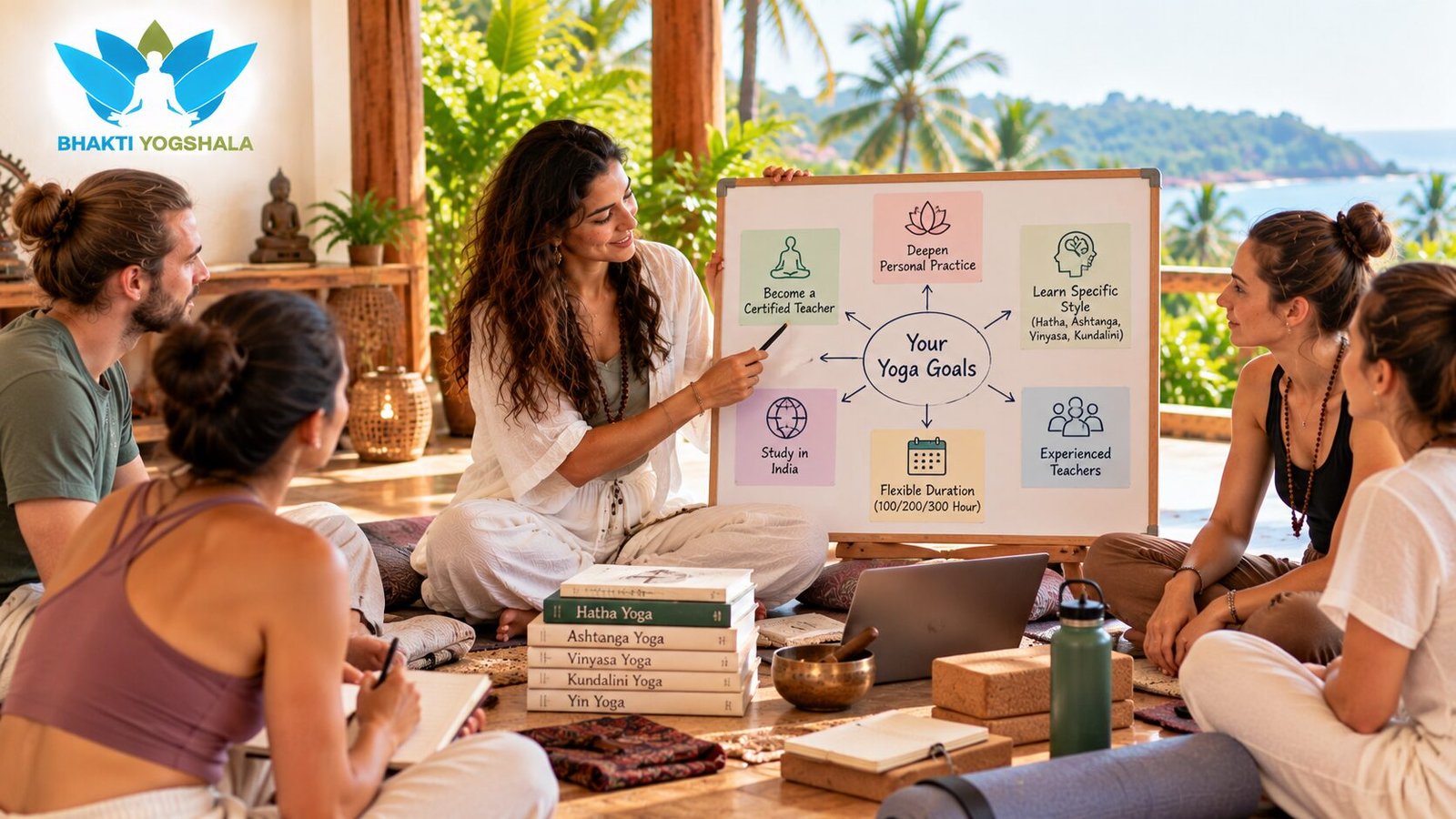
Understanding the curriculum can help you determine whether you are ready for advanced training. A typical 300-hour program may build upon foundational subjects while introducing more specialized areas of yoga study.
Depending on the school, students may study advanced asana, anatomy and physiology, pranayama, meditation, yoga philosophy, subtle anatomy, sequencing, teaching methodology, ethics, and specialized yoga practices.
The exact curriculum can vary significantly. Some programs may follow a specific yoga tradition, while others may combine multiple approaches.
For practitioners considering 300 hours yoga teacher training in GOA, reviewing the syllabus carefully can help determine whether the program complements your existing skills and supports your long-term teaching goals.
How to Choose the Best 300 Hour Yoga Teacher Training Goa
When searching for the best 300 hour yoga teacher training Goa, start by checking whether the admission requirements match your previous experience.
A program designed primarily for experienced teachers may move quickly through foundational concepts, whereas another course may provide more opportunities to revisit essential subjects.
Consider factors such as:
- Course syllabus and teaching hours.
- Faculty experience and teaching approach.
- Practical teaching opportunities.
- Assessment and feedback methods.
- Certification requirements.
- Student support and learning environment.
- Accommodation and course schedule.
It can also be useful to ask whether students receive supervised teaching practice and individual feedback. A smaller group may offer more direct interaction with instructors, while a larger group can expose students to a broader range of practitioners.
Instead of choosing a program solely because it is described as the best 300 hour yoga teacher training Goa, compare the actual curriculum, faculty, practical experience, and admission requirements with your own goals.
Can Beginners Join an Advanced 300-Hour Program?
A 300-hour teacher training course is generally not intended to serve as a complete beginner’s introduction to yoga teaching. Most advanced programs expect students to have some foundational knowledge and experience.
Someone who has only recently begun practicing yoga may find the theoretical and practical expectations challenging. Completing foundational training first can provide the knowledge needed to approach advanced subjects more confidently.
If you are uncertain about your readiness, contact the yoga school and explain your previous experience honestly. Ask whether your current practice, teaching background, and previous training meet the program’s admission criteria.
Finding an Affordable 300 Hour Yoga Teacher Training Goa
Course fees are another important factor when selecting an advanced teacher training program. An affordable 300 hour yoga teacher training Goa can make continuing education more accessible, but the course fee should always be evaluated alongside what the program provides.
Compare whether tuition includes accommodation, meals, study materials, assessments, certification, workshops, and other activities.
When evaluating an affordable 300 hour yoga teacher training Goa, also look for additional expenses that may not be included in the advertised price. Travel, personal expenses, optional workshops, and other services can influence your total budget.
A clear and transparent fee structure makes it easier to compare programs and plan your training expenses.
Preparing Before Your Course Begins
Once you meet the eligibility requirements, preparing before the course can make the transition into intensive training smoother.
Developing a regular yoga practice can help you build consistency. You can also review foundational yoga philosophy, revise basic anatomy, practice meditation, and work on teaching skills if you already have students.
Creating a realistic study routine is also useful because advanced training requires both physical participation and mental engagement.
You do not need to know everything before beginning a 300-hour program. Continuing education is designed to expand your understanding and introduce you to new perspectives. Arriving with curiosity, discipline, and an openness to feedback can make the experience more meaningful.
For practitioners considering 300 hours yoga teacher training in GOA, advanced study can provide an opportunity to move beyond foundational knowledge and develop greater depth in both personal practice and teaching.
Conclusion
The eligibility requirements for 300 hours yoga teacher training in GOA depend on the individual school’s curriculum and admission policy. Many programs are designed for practitioners who have completed previous yoga teacher training or have substantial personal and teaching experience, while some may consider alternative backgrounds.
Before enrolling, review the prerequisites, experience requirements, curriculum, faculty qualifications, practical training, certification, schedule, and total course costs. Comparing these factors can help you select a program that matches your current level and long-term objectives.
A well-structured advanced course can provide an opportunity to deepen your understanding of yoga, strengthen your teaching approach, and continue developing as a practitioner.
Frequently Asked Questions
- Is a 200-hour YTT required for a 300-hour course?
Many programs require a previous 200-hour YTT, but admission requirements vary between schools. - Can beginners join a 300-hour YTT?
Most 300-hour programs expect students to have foundational yoga knowledge and previous practice or training experience. - Is teaching experience mandatory?
Not always. Some schools require teaching experience, while others accept applicants with suitable training and personal practice. - Do I need advanced flexibility for a 300-hour YTT?
No. Advanced flexibility is generally not the main eligibility criterion. Understanding safe and mindful practice is more important. - How should I choose a 300-hour YTT in Goa?
Compare the prerequisites, curriculum, faculty, practical teaching opportunities, certification, schedule, accommodation, and overall cost.