A 200 hours yoga teacher training Kerala program can provide a structured foundation for understanding yoga beyond physical postures. It typically combines asana practice with yoga philosophy, anatomy, pranayama, meditation, teaching methodology, sequencing, and practical teaching experience. For aspiring instructors, this type of training can help develop the knowledge and confidence needed to guide students safely and thoughtfully.
Kerala is widely associated with traditional yoga and wellness practices, making it an appealing setting for immersive teacher education. However, the quality and curriculum of each course can differ. Before enrolling, it is useful to understand exactly what a 200-hour program teaches and how the different subjects connect.
What Is Covered in a 200-Hour Yoga Teacher Training?
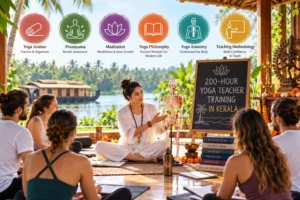
A 200-hour Yoga Teacher Training (YTT) is generally designed as a foundational professional education program. Rather than focusing only on performing postures, students learn how to understand, practice, explain, and teach yoga.
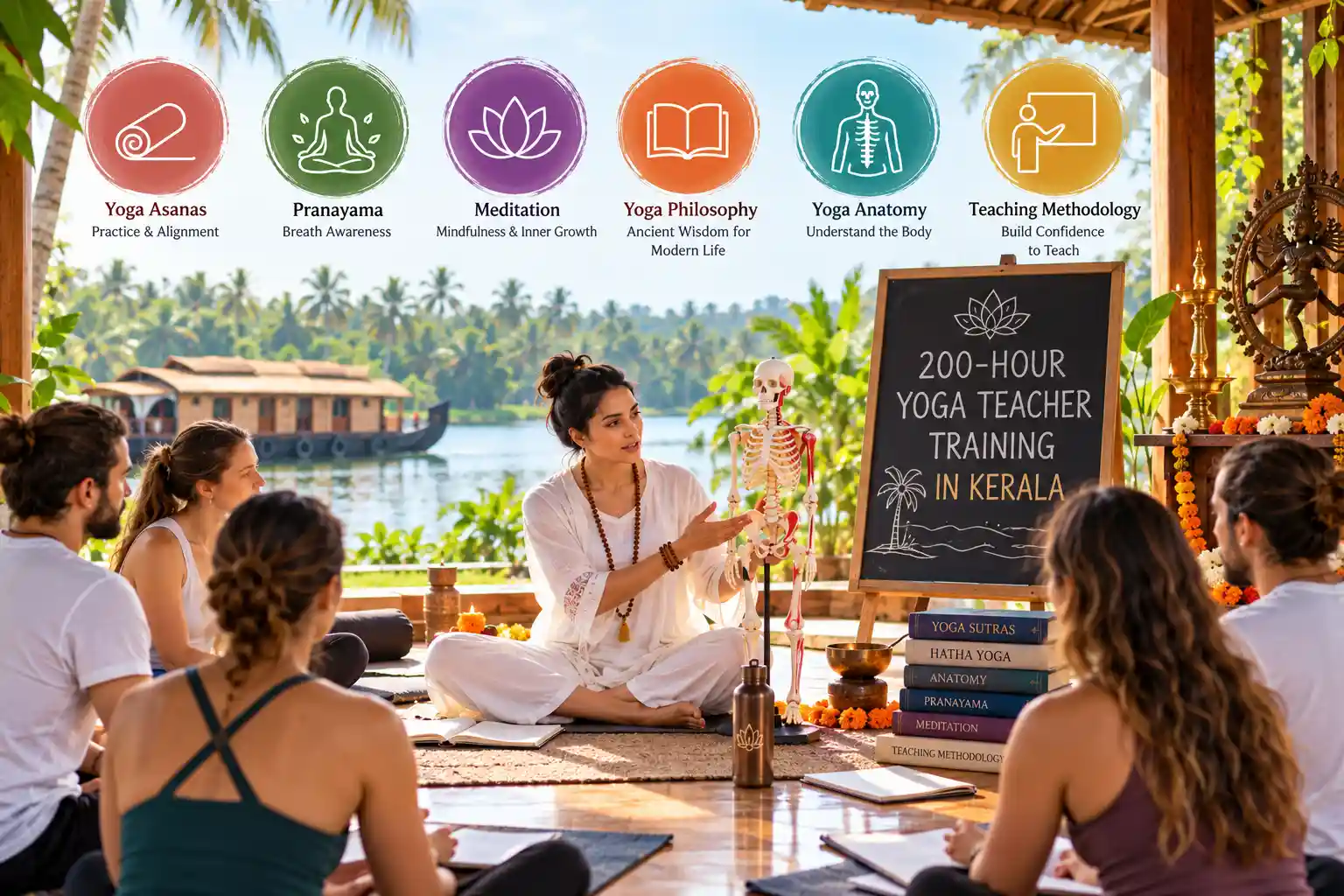
The exact curriculum depends on the school and yoga tradition, but comprehensive programs commonly cover:
- Asana practice, alignment, modifications, and sequencing
- Pranayama, meditation, mantra, and relaxation techniques
- Yoga philosophy, ethics, and traditional texts
- Anatomy, physiology, and principles of safe movement
- Teaching methodology, communication, class planning, and supervised teaching
These areas complement each other. Anatomy can help a student understand movement, while teaching methodology explains how to communicate that knowledge. Philosophy provides traditional context, and meditation and pranayama broaden the practice beyond physical movement.
Asana Practice and Alignment
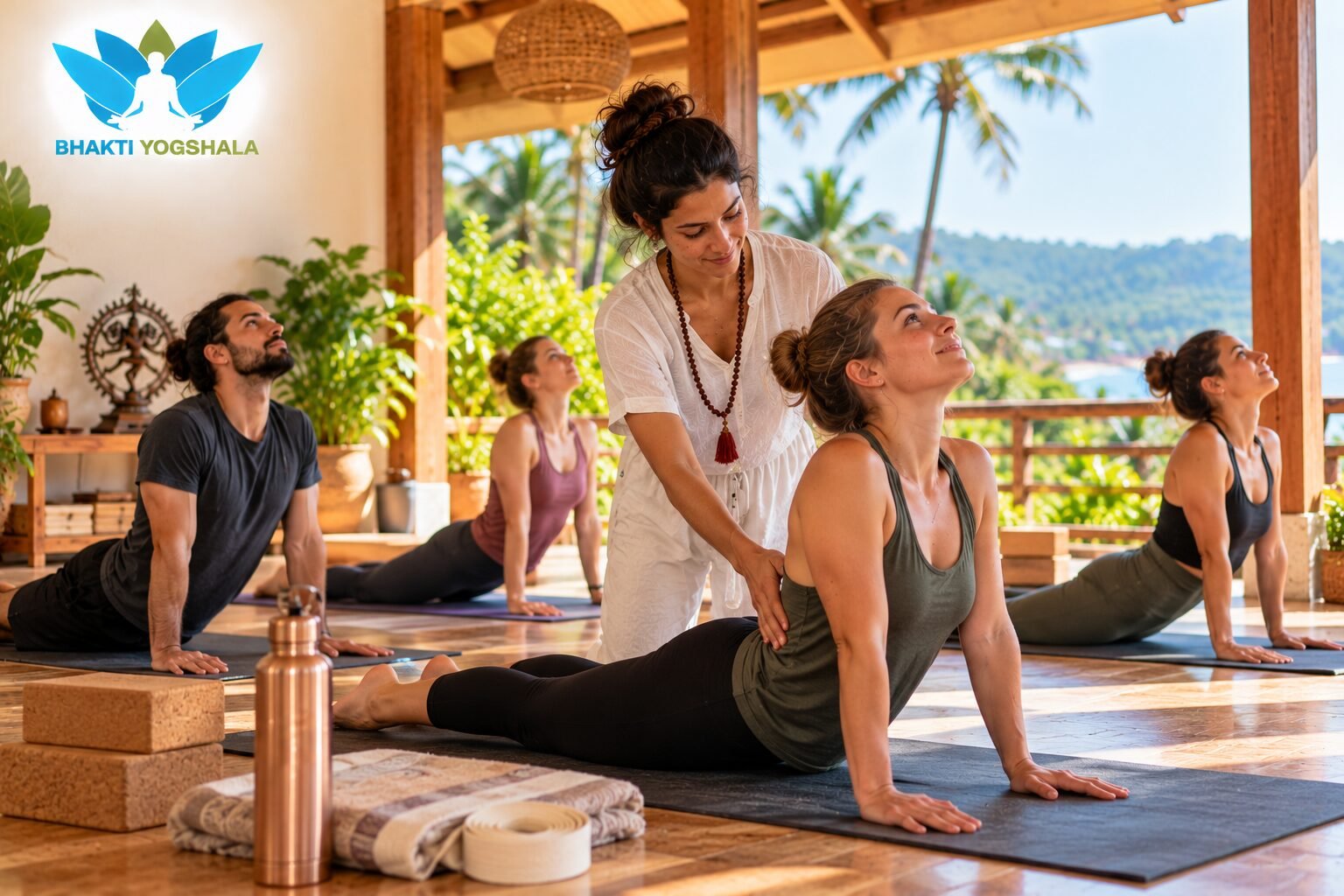
Asana is an important part of most 200 hours yoga teacher training Kerala programs. Students generally practice foundational postures while learning about alignment, transitions, modifications, and appropriate preparation.
The purpose is not simply to perform increasingly difficult poses. Students learn how different bodies may approach the same posture and why teachers need to offer suitable variations.
Training may include standing poses, seated postures, twists, forward folds, backbends, balancing postures, inversions, restorative practices, and preparatory movements. Depending on the school’s tradition, students may also study styles such as Hatha Yoga, Vinyasa, Ashtanga-inspired practices, or other approaches.
Regular practice also helps trainees understand pacing and sequencing. Experiencing a class as a student can make it easier to recognize how warm-ups, peak postures, counterposes, relaxation, and transitions fit together.
Yoga Anatomy and Physiology
Anatomy helps future teachers understand the physical body and how it responds to yoga practice. A 200-hour curriculum may introduce the musculoskeletal system, joints, muscles, spinal movement, posture, breathing mechanics, and basic physiology.
This knowledge is particularly useful because students in a yoga class have different levels of mobility, strength, experience, and physical structure. A posture that feels comfortable for one person may require modification for another.
Anatomy education can therefore support more responsible instruction. Rather than forcing students into a particular shape, teachers can learn to provide options and encourage body awareness.
Students may also explore common movement limitations and basic principles for adapting postures. The goal is not to turn yoga teachers into medical professionals but to provide foundational knowledge that supports informed teaching.
Pranayama and Breath Awareness
Pranayama introduces conscious breathing practices and their relationship with attention and yoga practice. Students may learn foundational techniques involving breath awareness, controlled inhalation and exhalation, breath ratios, and other traditional methods, depending on the curriculum.
Breath can influence the rhythm and quality of movement. It can also support concentration and relaxation when practiced appropriately.
Teacher trainees learn that breathing techniques should be introduced carefully. Different practices may have different requirements, and advanced techniques should not be forced or practiced without appropriate instruction.
Understanding breath also helps teachers create smoother classes. Clear breathing cues can help students coordinate movement and attention.
Meditation and Mindfulness
Meditation is another important component of 200 hours yoga teacher training Kerala. Students may explore concentration, mindfulness, mantra, visualization, breath awareness, or other traditional meditation methods.
Beginners sometimes expect meditation to eliminate thoughts completely. Instead, meditation generally involves developing awareness and learning to return attention when the mind becomes distracted.
Regular meditation practice can help teacher trainees understand the experience of guiding others through quiet practices. It can also encourage patience and self-observation.
The specific techniques taught depend on the school’s tradition. Students should therefore review the curriculum before enrolling if meditation is an important part of their personal goals.
Yoga Philosophy and Traditional Knowledge
Yoga philosophy provides the broader context behind the physical practice. Students may study concepts from the Yoga Sutras of Patanjali, the eight limbs of yoga, yamas and niyamas, dharana, dhyana, karma, and other foundational ideas.
The objective is not simply to memorize Sanskrit terminology. Students are encouraged to understand how philosophical principles relate to personal practice, ethics, awareness, and teaching.
For example, the yamas and niyamas introduce ethical and personal observances that can encourage reflection on how people interact with themselves and others.
Some programs may also introduce elements of traditional Indian philosophy and yoga literature. This can give students a deeper appreciation of yoga’s historical and cultural context.
Teaching Methodology and Class Sequencing
Knowing how to practice yoga does not automatically mean knowing how to teach it. Teaching methodology helps bridge that gap.
Students may learn how to structure a class, introduce a theme, demonstrate postures, provide verbal cues, observe participants, offer modifications, and manage transitions.
Sequencing is another important skill. Trainees learn how to organize postures logically so that a class has an appropriate beginning, progression, peak, and closing phase.
Communication is equally important. Teachers need to explain movements clearly without overwhelming students with unnecessary information. They also need to adapt their language to beginners, experienced practitioners, and people with different learning preferences.
Practical Teaching Experience
Practical teaching is where much of the knowledge gained during a course comes together. Students may be asked to teach short sections or complete classes while instructors and peers provide feedback.
This experience can initially feel challenging. Standing in front of a group, remembering a sequence, watching students, and speaking clearly require practice.
Constructive feedback can help trainees improve their pacing, demonstrations, verbal instructions, sequencing, and classroom presence. Over time, these exercises can make teaching feel more natural.
A strong program should provide opportunities for students to practice teaching rather than limiting the course to lectures and personal practice.
Choosing Yoga Teacher Training in Kerala
When researching Yoga teacher training in Kerala, look beyond the destination and examine the actual educational structure. Kerala offers a distinctive environment for yoga and wellness education, but every school has its own teaching approach.
Check the curriculum carefully. Find out how many hours are dedicated to asana, anatomy, philosophy, meditation, pranayama, teaching methodology, and practical teaching.
Faculty experience is another important consideration. You may want to review instructors’ training backgrounds, teaching experience, and areas of specialization.
Also ask about accommodation, meals, class size, assessment, certification, daily schedule, and what is included in the course fee. These practical details can significantly affect your learning experience.
How to Identify the Best 200 Hour Yoga Teacher Training Kerala
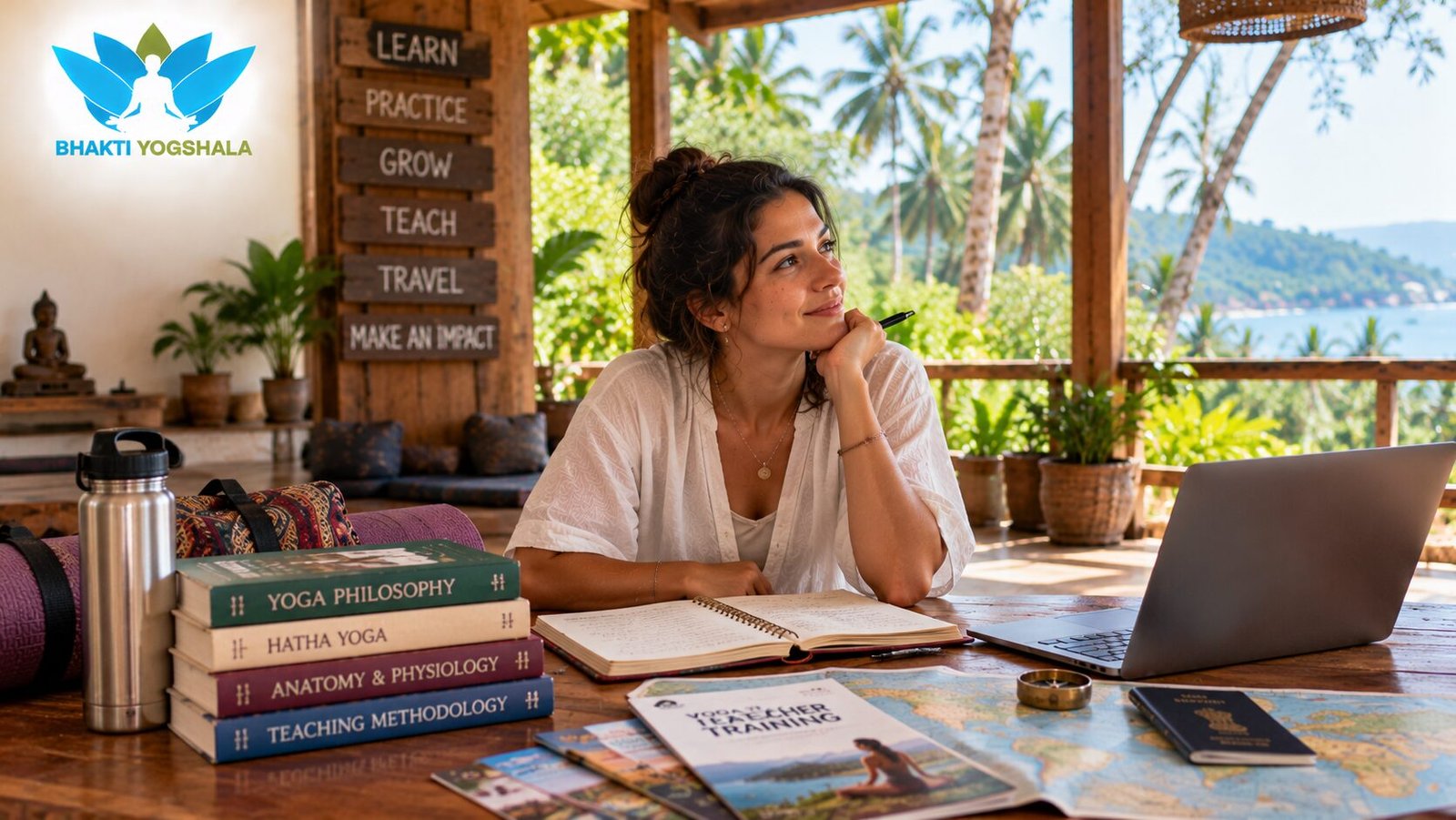
People searching for the best 200 hour yoga teacher training Kerala may find many different course formats and teaching styles. Instead of relying solely on promotional descriptions, compare the features that matter to your goals.
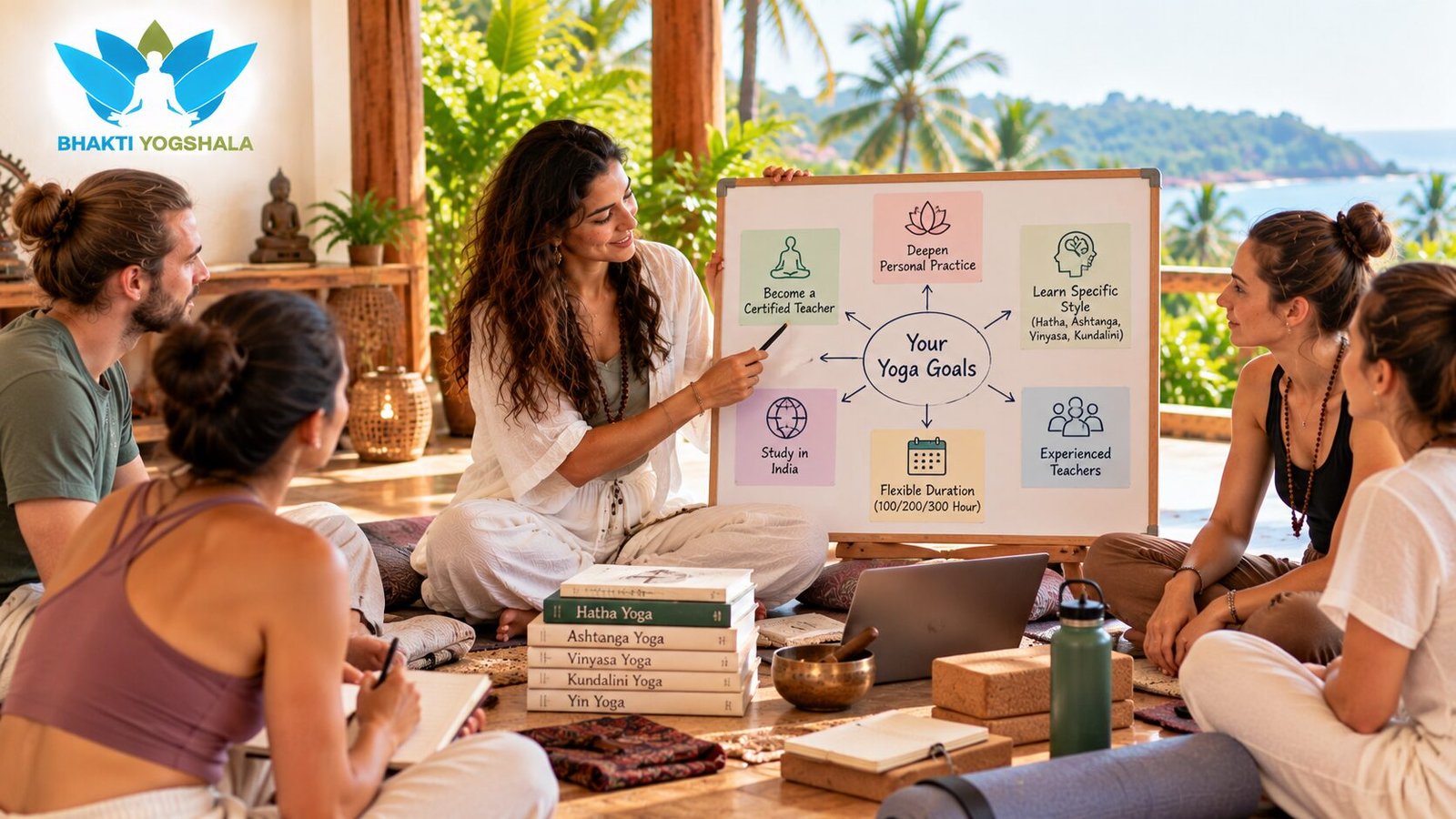
Look for a curriculum that balances theory with practical learning. If you want to teach professionally, supervised teaching and detailed feedback may be especially important. If your primary goal is personal development, you may place greater emphasis on philosophy, meditation, and traditional practices.
The best 200 hour yoga teacher training Kerala for one student may not have the same structure another student needs. Reviewing prerequisites, faculty, teaching hours, certification, accommodation, and student support can help you make an informed comparison.
What Makes a Course Affordable?
Cost is naturally part of the decision-making process. An affordable 200 hour yoga teacher training Kerala program can be attractive to students working within a specific budget, but the advertised tuition should not be the only factor you compare.
Look at the complete cost of the program. Accommodation, meals, study materials, assessments, certification, and additional workshops may or may not be included.
When evaluating an affordable 200 hour yoga teacher training Kerala option, consider the value of the teaching hours and practical experience alongside the price. A transparent fee structure can help you understand what you are actually paying for.
The cheapest course is not automatically the most suitable, and a higher fee does not by itself establish educational quality.
Preparing for a 200-Hour YTT in Kerala
Preparing before your course can make the transition into intensive training easier. You can establish a consistent yoga routine, review basic postures, practice simple breath awareness, and become familiar with introductory yoga philosophy.
It is also useful to prepare mentally for a structured schedule. Residential programs may include early morning practice, several classes during the day, self-study, assignments, and practical teaching.
You do not need to know everything before arriving. A willingness to ask questions, accept feedback, and learn from mistakes is more valuable than trying to appear experienced.
Students should also communicate relevant physical limitations to instructors and practice within appropriate personal boundaries.
What Can You Do After Completing the Course?
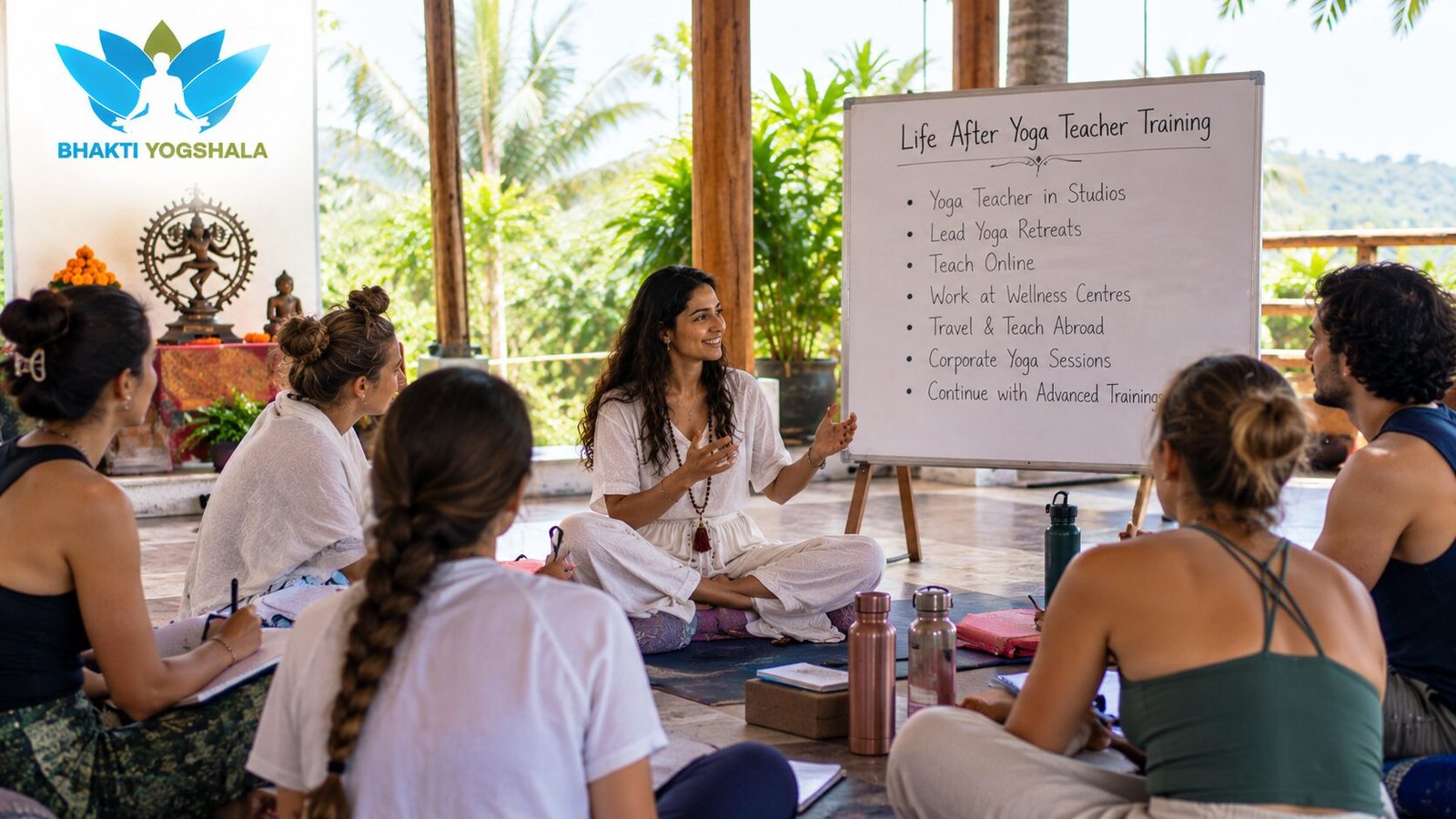
After completing a 200-hour YTT, students may use their training in different ways. Some begin teaching group classes, private sessions, or community programs, while others continue studying before teaching professionally.
The course can provide foundational knowledge, but teaching competence develops through continued practice and experience. New teachers can continue learning by observing experienced instructors, attending workshops, studying relevant subjects, and refining their own practice.
For students seeking a more immersive educational experience, Bhakti Yogshala can be one of the schools they research when comparing yoga teacher training options.
Conclusion
A 200 hours yoga teacher training Kerala course generally covers much more than physical postures. Students can explore asana, anatomy, pranayama, meditation, yoga philosophy, teaching methodology, sequencing, and supervised teaching practice.
Understanding these components before enrollment can help you select a course that matches your experience and goals. Look carefully at the curriculum, instructors, practical teaching opportunities, certification, schedule, facilities, and complete course cost rather than choosing solely on location or price.
A well-rounded 200-hour program can provide a strong foundation for continued personal practice and the development of responsible yoga teaching skills.
Frequently Asked Questions
- What is taught in a 200-hour yoga teacher training?
It commonly covers asana, anatomy, philosophy, pranayama, meditation, sequencing, and teaching methodology. - Is anatomy included in a 200-hour YTT?
Yes. Most comprehensive programs introduce basic anatomy, physiology, movement, and alignment principles. - Do 200-hour courses include meditation?
Yes. Meditation and concentration practices are commonly included, although techniques vary by school. - Can beginners join a 200-hour YTT?
Some programs accept beginners, while others expect prior yoga experience. Check the school’s admission requirements. - How should I choose a 200-hour YTT in Kerala?
Compare the curriculum, faculty, practical teaching hours, certification, schedule, accommodation, and total cost.