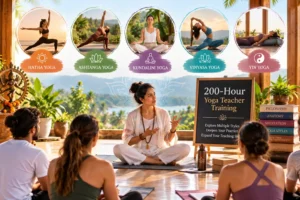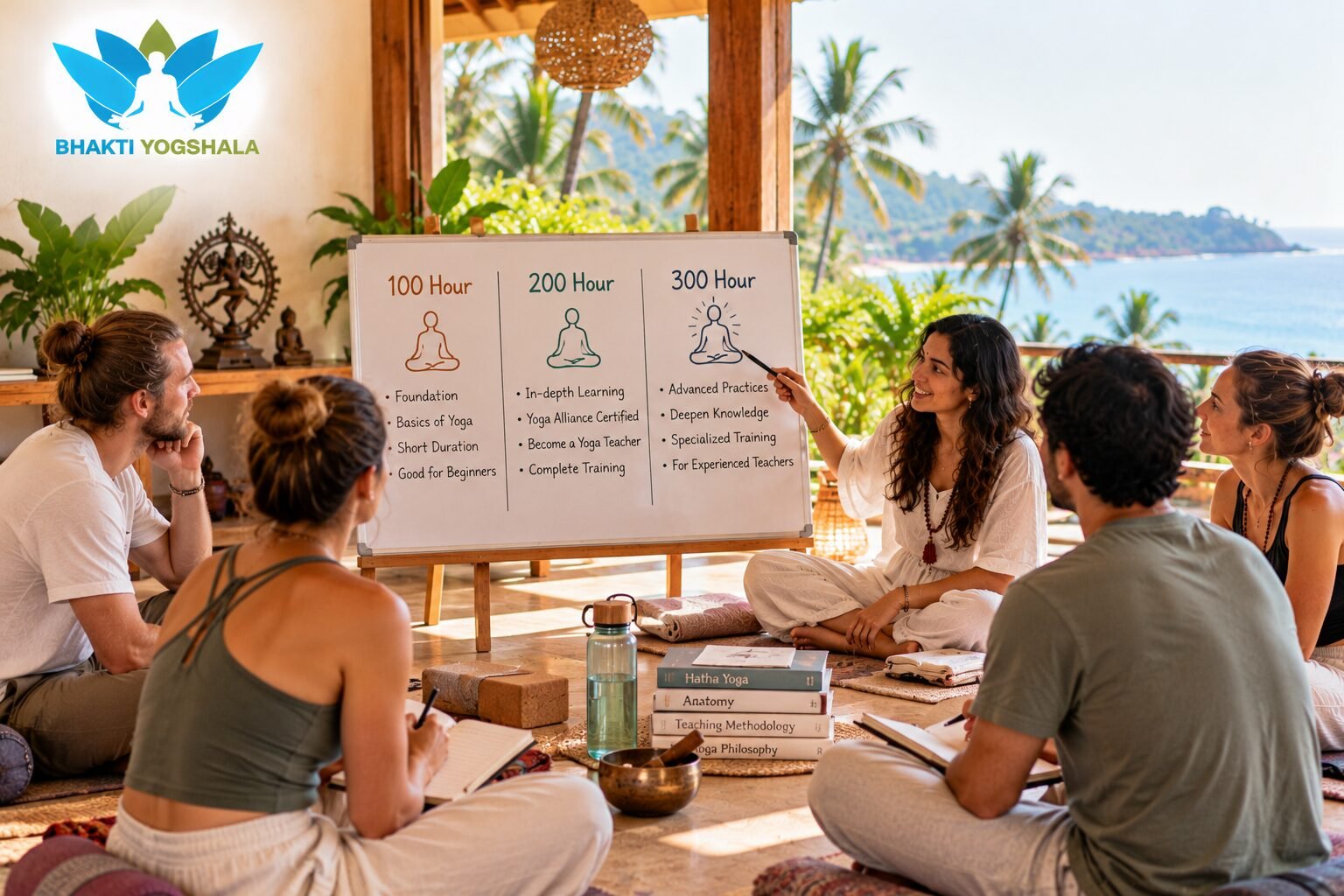
Choosing 200 hours multistyle yoga teacher training GOA can be an excellent way to build a broad and practical foundation in yoga teaching. Instead of focusing on only one tradition or method, a multistyle program introduces students to different approaches to asana, pranayama, meditation, philosophy, and teaching methodology. This variety can help aspiring teachers understand how yoga practices differ, when they may be appropriate, and how to create balanced classes for different students.
A 200-hour course is often considered a foundational teacher-training level. It is designed to develop more than physical practice. Students explore yoga anatomy, sequencing, alignment, breath awareness, meditation, yogic philosophy, and teaching techniques. Learning several yoga styles within this framework can make the training more comprehensive and encourage students to become adaptable teachers.
What Does Multistyle Yoga Teacher Training Mean?
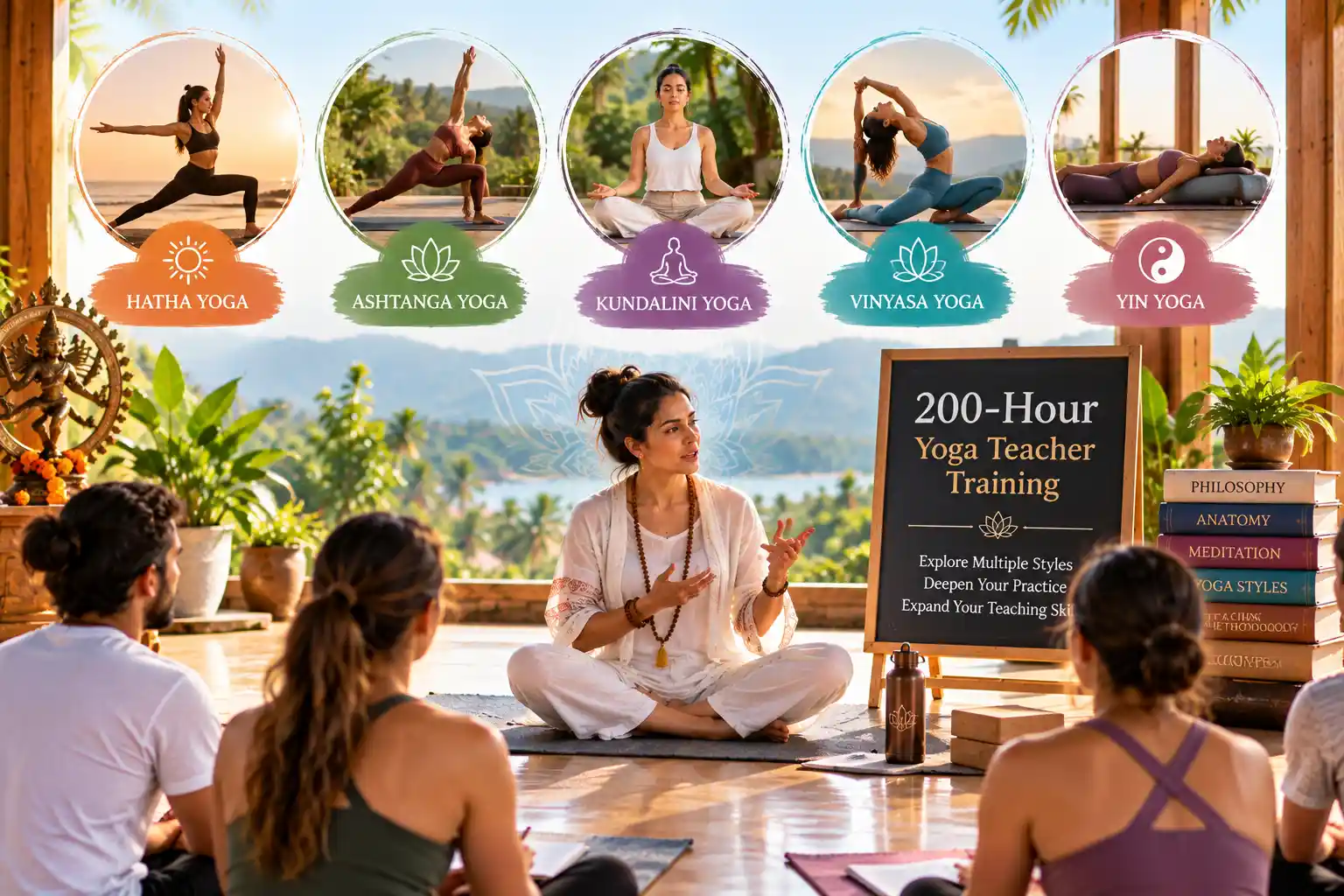
Multistyle yoga teacher training combines principles and practices from more than one yoga tradition or style. Depending on the school, the curriculum may include Hatha Yoga, Ashtanga Yoga, Vinyasa Flow, Yin Yoga, Restorative Yoga, meditation, pranayama, and other complementary practices.
The purpose is not necessarily to become an expert in every style within a short period. Instead, students learn the fundamental principles behind different approaches and understand how they can be incorporated into safe and meaningful classes.
For example, Hatha Yoga may emphasize traditional postures, breath control, alignment, and mindful practice, while Vinyasa often connects movement with breath through flowing sequences. Ashtanga can introduce students to a structured and disciplined practice, whereas Yin and restorative approaches provide opportunities for slower movement, relaxation, and longer-held postures.
This exposure gives trainees a wider perspective on yoga and helps them recognize that students can have different physical abilities, preferences, goals, and learning styles.
Why Choose 200 Hours Multistyle Yoga Teacher Training GOA?
One of the main advantages of 200 hours multistyle yoga teacher training GOA is the opportunity to develop a versatile foundation. A teacher who understands multiple approaches can design classes according to the needs of different groups instead of relying on one fixed format.
A multistyle curriculum can also make the learning experience more dynamic. Students may move between physically active sessions, traditional practices, breathing exercises, meditation, anatomy lessons, and philosophical discussions. This balance allows trainees to explore yoga as a holistic discipline rather than viewing it simply as physical exercise.
Goa also attracts yoga practitioners from different backgrounds, which can create an environment where students encounter varied perspectives on yoga practice and teaching. Training alongside people with different experiences may encourage communication, observation, and cultural awareness—skills that can become useful when teaching diverse groups.
Builds a Stronger Understanding of Yoga Principles
Learning several styles encourages students to look beyond individual poses and understand the principles behind them. Trainees begin to examine alignment, breath, movement, stability, mobility, sequencing, transitions, and relaxation from different perspectives.
For instance, the same posture may appear in several styles but be taught with a different intention. One class may emphasize physical alignment, while another may focus more on breath, mindfulness, strength, or relaxation.
This comparison helps trainees develop observation skills. Instead of simply memorizing sequences, they can begin asking important teaching questions: What is the purpose of this posture? Who may benefit from it? How can it be modified? What preparation does a student need? How should the class progress safely?
These questions are central to responsible yoga instruction.
Develops Adaptable Teaching Skills
A yoga teacher rarely works with identical students every day. A beginner class, a fitness-focused group, a relaxation session, and a private lesson may all require different approaches.
Exposure to multiple styles gives trainees more tools to respond to these differences. Someone who enjoys energetic movement may appreciate a dynamic sequence, while another student may need slower practices focused on mobility, breathing, or relaxation.
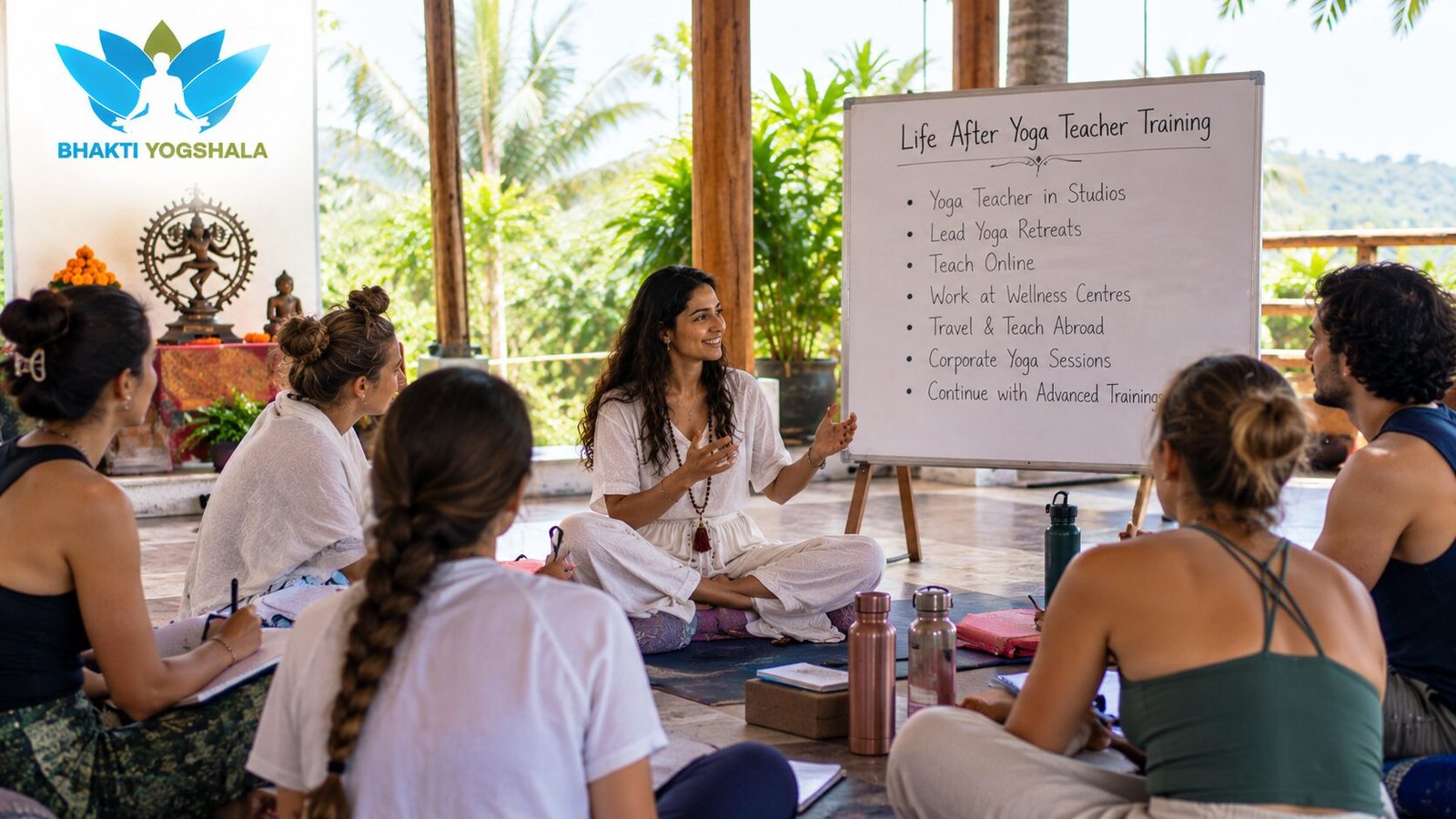
This adaptability can also help teachers work in different professional environments. They may eventually teach studio classes, workshops, private sessions, retreats, corporate wellness programs, or online classes.
The best 200 hour yoga teacher training Goa programs can therefore be evaluated not only by the number of styles they include but also by how effectively they teach students to understand, practice, modify, and communicate those styles.
How Different Yoga Styles Complement Each Other
Each yoga style can contribute something different to a trainee’s education. When taught thoughtfully, these approaches can complement rather than compete with one another.
For example, Hatha practices can establish a foundation in posture and breath awareness. Vinyasa can develop sequencing and movement coordination. Ashtanga can introduce discipline and structured progression. Yin can encourage awareness of stillness and longer-held postures, while restorative practices can highlight relaxation and supported movement.
Meditation and pranayama add another dimension by helping students understand the relationship between breath, attention, and mental awareness.
Rather than treating these practices as isolated subjects, a multistyle course can show students how different elements of yoga fit into a broader teaching framework.
Expands Your Class Sequencing Options
Sequencing is one of the most important practical skills developed during teacher training. A teacher needs to consider warm-up movements, peak postures, transitions, counterposes, relaxation, and the overall purpose of a session.
Studying multiple approaches gives trainees more ideas for building sequences. They can learn how a slower class differs from a dynamic flow and how the pace, duration, intensity, and structure can change according to the intended outcome.
This does not mean combining every style into every class. Effective sequencing requires clarity. A teacher should understand why particular techniques are being used and ensure that the practices work together logically.
A broad educational foundation can simply provide more options when developing appropriate class plans.
Supports Different Student Needs
Students arrive at yoga classes with different levels of experience. Some may be completely new to yoga, while others may have practiced for years. Their goals can also vary considerably.
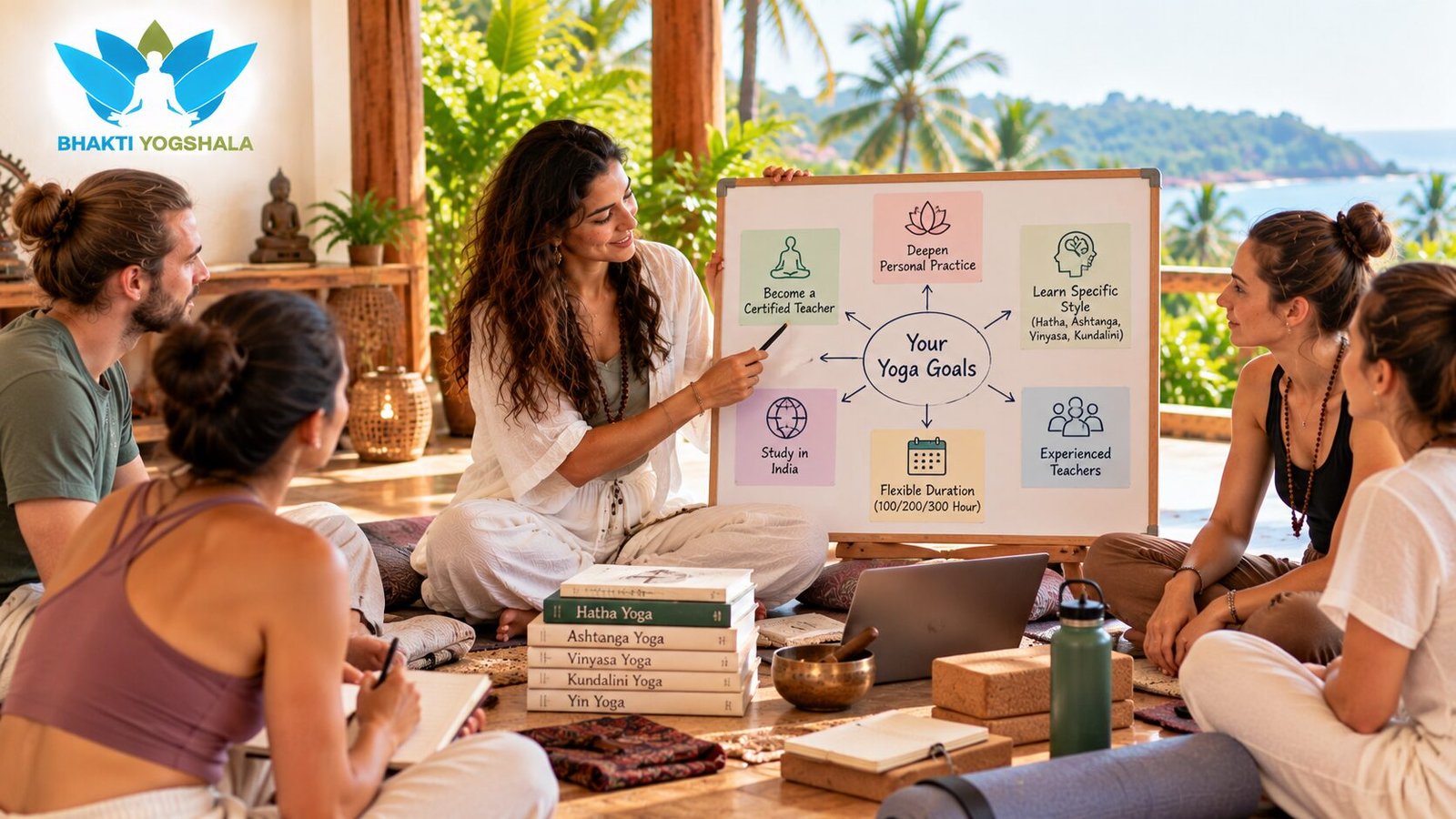
Some students may want to improve flexibility or mobility. Others may be interested in strength, balance, stress management, mindfulness, or developing a consistent personal practice.
Learning different methods during yoga teacher training Goa can help future teachers recognize these differences. They can develop a more flexible teaching approach and learn how to offer modifications, variations, props, and different levels of intensity where appropriate.
A student-centered approach is particularly important because yoga teaching is not simply about demonstrating advanced postures. It involves creating an environment where students can practice safely, understand instructions, and progress at an appropriate pace.
What Can Students Typically Learn in a Multistyle Course?
The exact curriculum varies between schools, but a comprehensive 200-hour program commonly introduces trainees to several interconnected areas of yoga education.
Students may explore:
- Hatha, Vinyasa, Ashtanga, Yin, or restorative approaches; pranayama and meditation; yoga philosophy and traditional concepts.
- Anatomy, alignment, sequencing, teaching methodology, class observation, practical teaching, modifications, and ethical responsibilities.
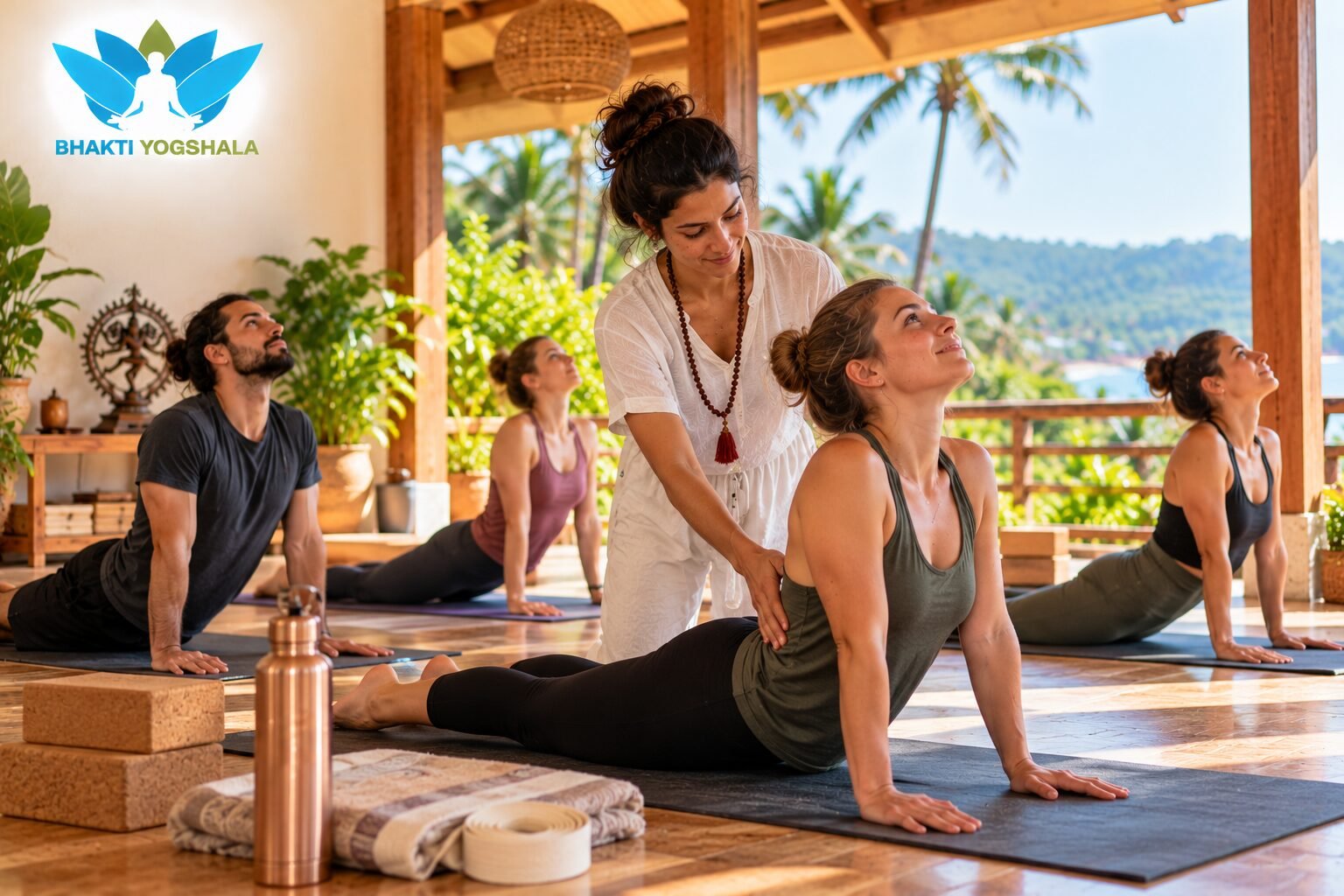
The combination of theory and practical training helps students connect what they study with real teaching situations. Practice teaching, peer feedback, demonstrations, and supervised sessions can also help develop communication and confidence.
Why Goa Is a Popular Setting for Yoga Teacher Training
Goa has become a recognizable destination for yoga education because it combines a strong wellness culture with an environment that many students associate with relaxation and retreat-style learning.
For international and domestic students, studying in a dedicated yoga environment can provide an opportunity to establish a consistent daily routine. A typical training schedule may include morning practice, theoretical lessons, practical teaching sessions, meditation, and self-study.
The setting can also encourage students to focus on their training away from some of the distractions of everyday routines. However, the quality of education ultimately depends on the curriculum, teaching faculty, practical training, student support, and overall learning structure of the school.
How to Choose the Right Multistyle Yoga Teacher Training
Before enrolling, prospective students should carefully review the course curriculum and understand exactly which styles and subjects are covered. It is useful to look beyond the course title and examine how much practical teaching experience is included.
Important considerations include:
- Curriculum: Check whether the program covers asana, anatomy, pranayama, meditation, philosophy, sequencing, and teaching methodology.
- Teaching practice: Look for opportunities to practice teaching and receive constructive feedback.
- Faculty: Review the teachers’ qualifications, experience, and teaching backgrounds.
- Course structure: Consider class schedules, duration, accommodation, learning resources, and student support.
- Teaching approach: Make sure the program’s philosophy and style of instruction align with your learning goals.
For example, Bhakti Yogshala provides a learning environment where students can explore yoga practice alongside traditional and modern teaching concepts.
Is Multistyle Training Better for Beginners?
Multistyle training can be suitable for beginners when the course is structured progressively. Students do not need to master every yoga style immediately. The purpose of foundational training is to understand core concepts and gradually develop practical teaching skills.
Beginners may actually benefit from seeing how different approaches work because it can prevent them from assuming that yoga has only one method of practice. They can discover which practices resonate with their personal goals while developing a broader understanding of yoga.
At the same time, students should choose a program that provides adequate instruction in alignment, anatomy, modifications, and safe teaching practices rather than simply offering many styles without sufficient depth.
Building a More Versatile Future as a Yoga Teacher
A teacher’s learning does not end when a 200-hour course is completed. The training provides a foundation that can later be developed through continued education, personal practice, workshops, mentorship, and additional specialization.
Learning multiple styles can help trainees identify areas they want to explore further. Someone may become particularly interested in meditation, therapeutic applications, advanced sequencing, Yin Yoga, Ashtanga, prenatal yoga, or another specialization.
The broader the foundational understanding, the easier it can be to recognize where further education may be valuable. Continuous learning also encourages teachers to remain curious and reflective rather than relying only on the material learned during their initial certification.
Conclusion
Learning multiple yoga styles during 200 hours multistyle yoga teacher training GOA can provide aspiring teachers with a broad foundation in movement, breath, meditation, philosophy, anatomy, sequencing, and teaching methodology. Exposure to Hatha, Vinyasa, Ashtanga, Yin, restorative practices, and other approaches can help students understand different teaching methods and respond more thoughtfully to varied student needs.
The real value of multistyle education is not simply the number of styles included in a course. It is the ability to understand their principles, practice them responsibly, and apply appropriate techniques when creating meaningful yoga experiences. With consistent practice and continued education, a 200-hour training can become an important foundation for developing a flexible and well-rounded teaching approach.
Frequently Asked Questions
- What is multistyle yoga teacher training?
It is a teacher-training program that introduces students to multiple yoga styles and teaching approaches. - Is 200-hour multistyle training suitable for beginners?
Yes. A well-structured program can introduce beginners to foundational practices progressively. - Which styles are commonly included in multistyle training?
Programs may include Hatha, Vinyasa, Ashtanga, Yin, restorative yoga, meditation, and pranayama. - Can I teach after completing a 200-hour course?
A 200-hour program is generally designed to build foundational teaching skills, but certification and teaching requirements vary by school and organization. - Why study several yoga styles?
Studying multiple approaches can broaden your understanding of yoga and provide more options for adapting classes to different students.