Choosing 200 hours kundalini yoga teacher training GOA can be an exciting step for anyone who wants to deepen their yoga practice and learn how to guide others. However, teacher training involves much more than learning postures and teaching techniques. Students may experience physical discipline, meditation, emotional self-reflection, intensive study, and a structured daily routine. Knowing about these challenges in advance can help you enter the course with realistic expectations and a positive attitude.
Kundalini Yoga combines asana, pranayama, meditation, mantra, mudra, relaxation, and concentration practices. Since the training works across several dimensions of yoga, certain parts of the course may feel demanding. These challenges are not necessarily negative experiences. With patience, consistency, and appropriate guidance, they can become valuable opportunities for learning and personal development.
Why Can Kundalini Yoga Teacher Training Feel Challenging?
A yoga teacher training course requires a deeper commitment than occasional yoga practice. Students may follow a demanding schedule that includes early morning sessions, theory classes, meditation, breathing exercises, teaching methodology, anatomy, philosophy, assignments, and self-study.
Adjusting to this level of consistency can take time. If your body and mind are not used to an intensive routine, you may initially experience tiredness, muscle soreness, difficulty concentrating, or frustration when a particular technique does not feel natural.
Kundalini Yoga can also encourage greater awareness of your thoughts, habits, reactions, and emotional patterns. Meditation and reflective practices may make you more attentive to your inner experiences. While every student responds differently, developing this level of self-awareness can require patience and honest reflection.
Physical Demands of 200 hours kundalini yoga teacher training GOA
One of the first challenges may be adapting to the physical demands of regular training. Kundalini practices can include repeated movements, static postures, breathwork, kriyas, and meditation. Even when an individual practice appears simple, repetition and consistency can make it physically demanding.
Students enter teacher training with different levels of flexibility, mobility, strength, and previous yoga experience. Comparing your progress with classmates can create unnecessary pressure. Instead, focus on proper alignment, controlled movement, conscious breathing, and gradual improvement.
Rest and recovery are equally important. A teacher training course should not be treated as a competition. Listening to your body and communicating with qualified instructors when something feels uncomfortable can help you practice more responsibly.
Adjusting to an Intensive Daily Routine
A structured daily schedule can be another major challenge. Teacher training may require you to wake up early, attend multiple sessions, complete assignments, practice teaching, and dedicate additional time to personal study.
Maintaining concentration throughout the day may feel difficult during the initial stages. Your regular sleeping, eating, and leisure habits may also need to change to accommodate the course.
Creating a simple routine before and during training can make the transition easier. Prioritize sufficient sleep, hydration, nutritious meals, and appropriate periods of rest. Keeping a journal can also help you record what you are learning and identify subjects that require additional practice.
Managing Mental Focus During Meditation and Pranayama
Meditation can be easier to understand as a concept than to practice consistently. Beginners sometimes expect their minds to become completely quiet, but wandering thoughts are a normal part of meditation.
During Kundalini Yoga teacher training, you may spend considerable time practicing meditation, pranayama, mantra, or concentration techniques. Staying attentive can become challenging, particularly when you are tired, distracted, or adjusting to a new environment.
Instead of judging yourself whenever your mind wanders, treat concentration as a skill that develops gradually. Consistency is generally more useful than expecting a particular experience during every session.
Breathwork should also be practiced under qualified instruction. Different techniques have different purposes and requirements, so students should avoid forcing the breath or experimenting with advanced practices without appropriate guidance.
Emotional Self-Reflection Can Be Uncomfortable
Another possible challenge is the increased level of self-reflection. Yoga teacher training can encourage students to examine their habits, reactions, expectations, and relationships with themselves and others.
For some students, this process may feel uncomfortable because it brings attention to patterns they usually overlook. It is important not to interpret every emotion or physical sensation as a special spiritual experience. Individual responses to intensive yoga practice can vary considerably.
A supportive learning environment should allow students to ask questions and discuss concerns without unnecessary pressure. Personal boundaries should also be respected throughout the training process.
Learning Yoga Philosophy and Sanskrit Terminology
Teacher training is not limited to physical practice. Students may study traditional yoga philosophy, including the Yoga Sutras, yamas and niyamas, meditation, karma, dharana, dhyana, and other foundational concepts.
Sanskrit terminology can initially feel unfamiliar. You may need to remember the names of techniques, philosophical concepts, mantras, and teaching cues, which can feel overwhelming when several subjects are studied simultaneously.
A gradual learning approach can make theoretical subjects easier. Instead of attempting to memorize everything at once, connect each concept with its practical meaning. Taking organized notes and reviewing them regularly can also improve understanding and retention.
Developing Confidence as a Yoga Teacher
Being able to perform a yoga practice yourself does not automatically mean you can teach it effectively. Teaching requires communication, observation, sequencing, demonstration, timing, and the ability to create a safe and supportive learning environment.
During 200 hours kundalini yoga teacher training GOA, students may receive opportunities to practice teaching their peers. Speaking in front of a group can feel uncomfortable at first, particularly if you are shy or concerned about making mistakes.
Your first teaching sessions do not need to be perfect. Constructive feedback from experienced instructors can help you improve your verbal cues, classroom presence, pacing, demonstrations, and ability to explain practices clearly.
Balancing Tradition With Responsible Teaching
Kundalini Yoga has a rich traditional framework involving meditation, mantra, breathwork, kriya, and spiritual practices. Teacher trainees need to understand these practices respectfully while also learning how to teach people with different backgrounds, abilities, and levels of experience.
A responsible yoga teacher does more than demonstrate a technique. They understand its context, provide clear instructions, encourage suitable modifications, and recognize when a student may need qualified medical or professional advice.
This balance between traditional knowledge and responsible teaching is an important part of developing as a mature yoga instructor.
How to Handle the Challenges During 200 hours kundalini yoga teacher training GOA
Challenges can become easier to manage when you prepare before the course begins. You do not need perfect flexibility, extensive meditation experience, or complete knowledge of yoga philosophy before joining teacher training. A willingness to learn and maintain a consistent practice can be more important.
Two practical habits can help you prepare:
- Prepare your routine: Gradually adjust your sleeping schedule, practice basic yoga and meditation regularly, organize your study materials, and make sufficient time for recovery.
- Stay open to feedback: Ask questions, accept constructive guidance, observe experienced teachers, and use feedback as an opportunity to improve rather than viewing mistakes as failures.
Choosing an appropriate yoga school also deserves careful attention. Before enrolling, review the curriculum, faculty, daily schedule, certification details, accommodation arrangements, student feedback, and the amount of practical teaching included in the program.
What Should You Look for in the Best Kundalini Yoga Teacher Training in Goa?
If you are comparing programs, look beyond promotional claims. The best Kundalini Yoga teacher training in Goa for your needs should match your experience level, learning objectives, schedule, and expectations.
Check whether the curriculum includes both practical and theoretical components. A well-rounded program may cover asana, kriya, pranayama, meditation, mantra, yoga philosophy, anatomy, teaching methodology, sequencing, ethics, and supervised teaching practice.
The learning environment is also important. Experienced instructors, clear communication, student support, and opportunities to ask questions can make the training experience more manageable.
When researching options such as Bhakti Yogshala, consider the course curriculum, teaching approach, faculty experience, schedule, practical teaching opportunities, and certification information rather than choosing a program based only on location or promotional language.
Goa can offer a distinctive setting for yoga education, allowing students to combine structured study with time for reflection and personal practice. However, the location itself does not determine the quality of a teacher training course. Curriculum, teaching standards, student support, and practical learning deserve careful attention.
Is the Best Kundalini Yoga Teacher Training Right for Every Student?
There is no single training program that suits every learner. Someone looking for an immersive spiritual practice may have different expectations from someone primarily interested in developing professional teaching skills.
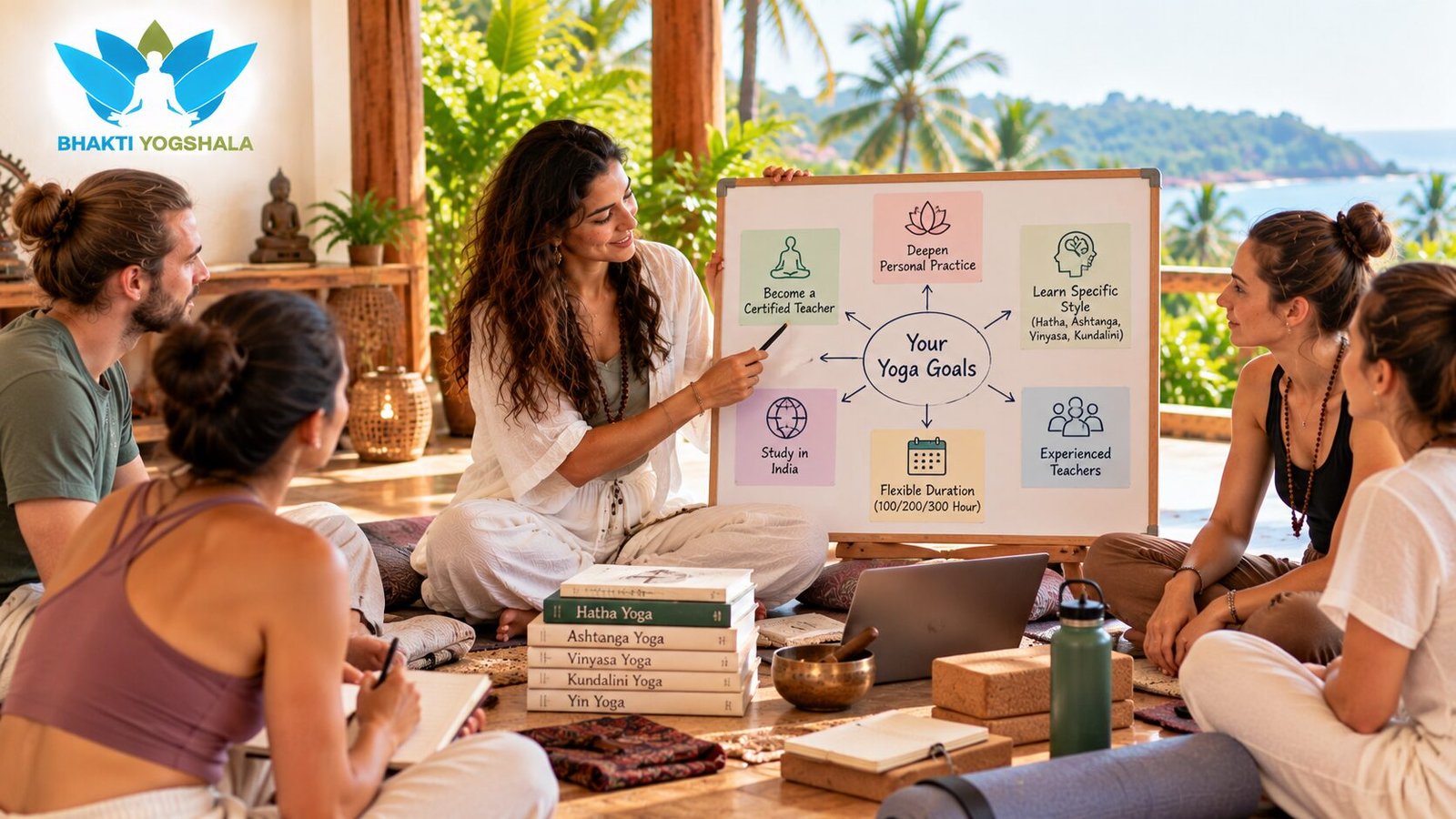
When researching the best Kundalini Yoga teacher training, first consider what you want to achieve after completing the course. You may want to deepen your personal practice, develop meditation skills, understand Kundalini traditions, improve your teaching ability, or begin teaching yoga professionally.
Ask prospective schools about prerequisites, course intensity, class size, certification, practical teaching requirements, and instructor qualifications. Understanding these details before enrollment can reduce unexpected challenges later.
Most importantly, remember that teacher training is a learning process rather than a test of perfection. You may struggle with a posture, forget a Sanskrit term, lose concentration during meditation, or feel nervous while teaching. These experiences can be normal parts of developing new skills.
Turning Training Challenges Into Learning Opportunities
The challenges associated with Kundalini Yoga teacher training can become opportunities to develop patience, discipline, self-awareness, communication skills, and confidence.
Physical discomfort can teach you to pay attention to your body’s boundaries. Difficult theoretical concepts can encourage deeper study. Nervousness during teaching practice can gradually improve through repetition and constructive feedback. Meditation can support greater awareness of attention and thought patterns.
The value of teacher training is not limited to receiving a certificate. A comprehensive course can provide a foundation for continued learning and responsible teaching. Yoga instructors can continue developing their knowledge through personal practice, further education, observation, and teaching experience.
Conclusion
Starting 200 hours kundalini yoga teacher training GOA can be demanding, but understanding the potential challenges can make the experience easier to approach. Physical adaptation, intensive schedules, meditation, self-reflection, philosophy, and teaching practice may all require patience, discipline, and consistency.
Approach the training with realistic expectations instead of expecting instant transformation. Respect your physical limits, ask questions, stay open to constructive feedback, and remain willing to learn. With appropriate preparation and a supportive learning environment, the challenges of teacher training can become meaningful parts of your development as a yoga practitioner and future teacher.
Frequently Asked Questions
- Is Kundalini Yoga teacher training difficult for beginners?
It can be demanding, but beginners can progress through consistent practice and proper guidance. - What does 200-hour Kundalini Yoga training include?
It may include yoga practice, kriya, pranayama, meditation, philosophy, anatomy, teaching methodology, and practical teaching. - Do I need advanced flexibility for teacher training?
No. Flexibility can develop gradually through regular and appropriate practice. - Can teacher training be emotionally challenging?
Self-reflection and intensive practice can feel challenging for some students, although individual experiences vary. - How can I prepare for Kundalini Yoga teacher training?
Build a consistent yoga routine, improve your sleep schedule, study basic yoga concepts, and prepare for an intensive learning environment.