A 200-hour yoga teacher training is much more than learning physical postures. It is an immersive program designed to help students understand yoga as a complete discipline that combines movement, breathwork, meditation, philosophy, anatomy, teaching methodology, and personal practice. For anyone considering 200 hours yoga teacher training in GOA, understanding what the curriculum includes can make it easier to choose a program that matches their learning goals.
Whether you are a beginner who wants to build a strong foundation or an experienced practitioner planning to teach professionally, a 200-hour course introduces the traditional and modern aspects of yoga. The training encourages students to explore how the body moves, how the mind responds to practice, and how yogic principles can be applied beyond the yoga mat.
What Does a 200-Hour Yoga Teacher Training Cover?
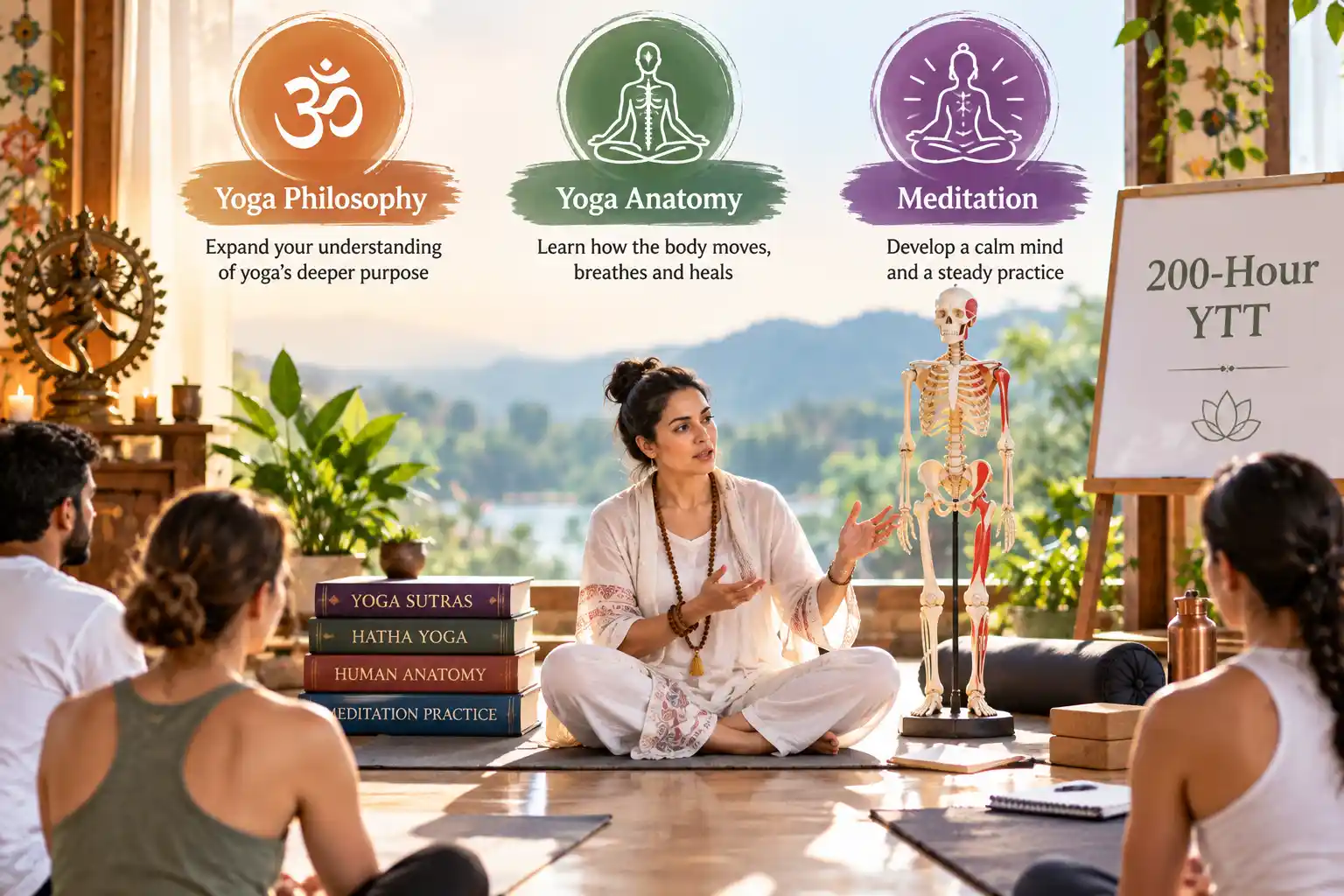
A 200-hour Yoga Teacher Training (YTT) generally follows a structured curriculum covering several interconnected areas. Rather than treating yoga as simply a form of exercise, the program explores its physical, mental, philosophical, and contemplative dimensions.
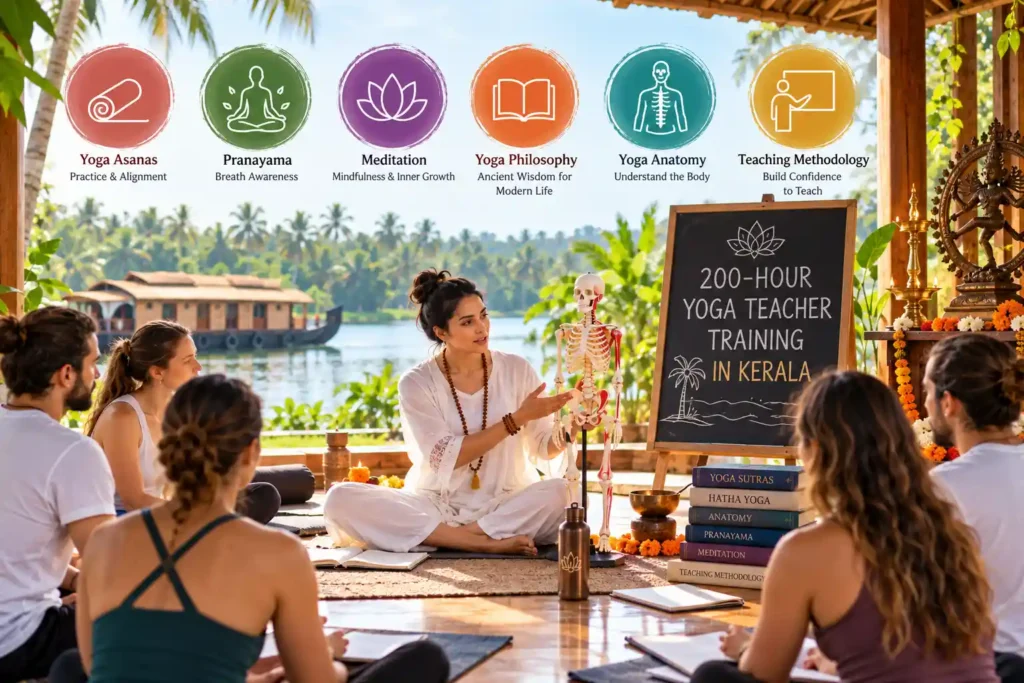
The exact syllabus can differ between schools, but most comprehensive programs include asana practice, pranayama, meditation, anatomy and physiology, yoga philosophy, teaching methodology, sequencing, ethics, and practical teaching sessions.
Yoga Philosophy and Traditional Wisdom
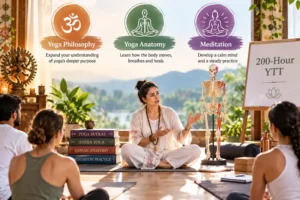
Yoga philosophy helps students understand the ideas behind the practices they perform. Topics may include the Yoga Sutras of Patanjali, the eight limbs of yoga, the yamas and niyamas, mindfulness, self-discipline, awareness, and the relationship between the body and mind.
Students may also explore concepts such as dharana, dhyana, samadhi, karma, and the role of conscious living. These teachings can provide a deeper context for daily yoga practice and encourage students to look at yoga as a path of personal development.
Understanding philosophy can also influence the way future teachers communicate with their students. Instead of simply instructing someone to perform a posture, a teacher can explain the broader purpose of mindful and balanced practice.
Anatomy and Physiology
Yoga anatomy is another important part of a 200-hour training program. It introduces students to the musculoskeletal system, joints, muscles, connective tissues, posture, movement patterns, and basic physiology.
The goal is not to turn yoga teachers into medical professionals. Instead, anatomy education helps them understand how different bodies move and why alignment, stability, mobility, and modifications matter during practice.
Students may examine how common asanas affect different areas of the body and learn to recognize situations where a posture should be adapted. This knowledge can support safer instruction and help teachers provide appropriate variations for students with different abilities and experience levels.
Asana Practice and Alignment
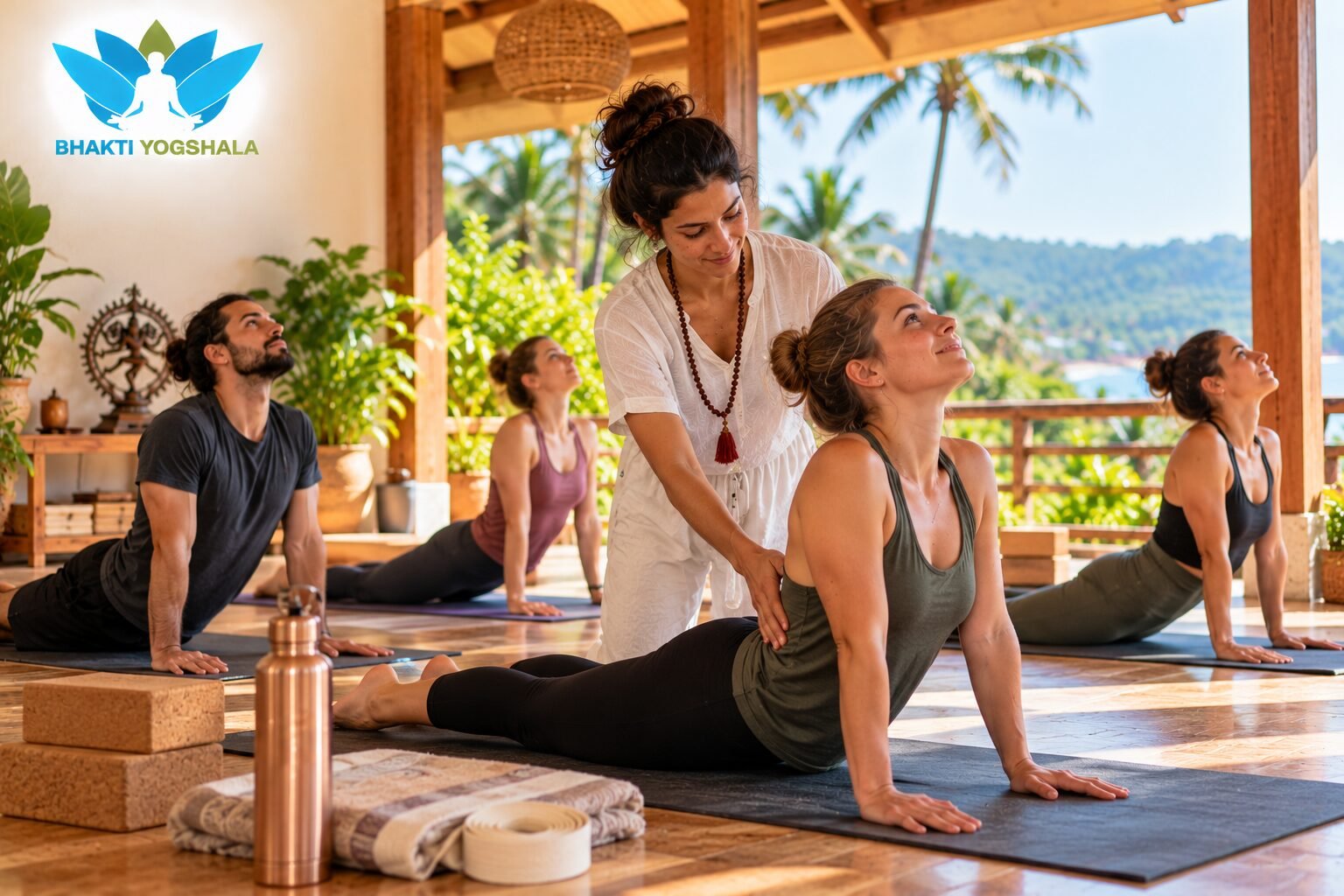
Asana sessions usually form a substantial part of the training. Students practice foundational and intermediate postures while learning their Sanskrit names, physical actions, alignment principles, benefits, limitations, and modifications.
A well-rounded curriculum may include standing poses, seated postures, twists, forward bends, backbends, balancing poses, inversions, and restorative practices. Rather than focusing only on achieving advanced poses, students learn how to approach postures progressively.
This practical experience becomes particularly valuable when students begin teaching others because they develop an understanding of demonstrations, verbal cues, adjustments, transitions, and individual differences.
How 200 hours yoga teacher training in GOA Builds Teaching Skills
A major purpose of teacher training is learning how to communicate yoga effectively. Knowing how to perform a posture yourself is different from being able to teach it clearly to another person.
Teaching methodology introduces students to lesson planning, sequencing, observation, verbal instruction, demonstrations, classroom management, and creating an inclusive learning environment. Students often receive opportunities to teach short sessions and receive feedback from instructors.
For those comparing yoga teacher training in GOA, teaching practice should be an important part of the curriculum to consider. A program that balances theory with practical instruction can help students gradually develop confidence rather than expecting them to teach an entire class immediately.
Students may learn how to:
- Create logical sequences based on a class objective.
- Use clear and accessible verbal cues.
- Offer modifications for different levels and physical abilities.
- Observe students and respond to their needs.
- Develop confidence while teaching groups or individual sessions.
Meditation and Mindfulness in 200-Hour YTT
Meditation is an essential component of many traditional yoga systems. During a teacher training course, students are generally introduced to different approaches to meditation and concentration.
Practices may include breath awareness, mindfulness, mantra meditation, guided meditation, visualization, and other contemplative techniques. Students learn how posture, breathing, attention, and environment can influence meditation practice.
The purpose is not simply to learn how to sit quietly. Meditation encourages students to develop concentration and self-awareness. Regular practice may also help future teachers understand the experiences that students encounter when beginning their own meditation journey.
Meditation education can complement pranayama, or yogic breathing practices. Students learn how controlled breathing and mindful awareness can become tools for preparing the body and mind for meditation.
What Makes the best 200 hour yoga teacher training Goa Curriculum Comprehensive?
When evaluating a training program, it is useful to look beyond the number of hours. A comprehensive course should connect theory with practical experience and provide sufficient time for students to absorb the material.
The best 200 hour yoga teacher training Goa options may differ depending on individual goals, teaching style, schedule, and preferred learning environment. Instead of focusing only on labels, prospective students should examine the curriculum, instructor experience, practical teaching opportunities, accommodation, class structure, and approach to traditional yoga education.
A strong curriculum typically creates a progression from personal practice to teaching practice. Students first develop their own understanding before learning how to guide others.
Pranayama, Subtle Body and Energy Awareness
Pranayama introduces students to controlled breathing techniques and their relationship with concentration and awareness. Depending on the school, the curriculum may cover practices such as Nadi Shodhana, Kapalabhati, Bhramari, and other traditional techniques.
Students may also encounter introductory concepts related to chakras, nadis, koshas, and subtle energy. These subjects are generally presented within the philosophical and traditional frameworks of yoga rather than as replacements for medical or scientific knowledge.
Learning these concepts can help students understand why breathwork and meditation are traditionally considered important parts of yoga practice.
Ethics and the Role of a Yoga Teacher
Teacher training also involves understanding the responsibilities associated with teaching yoga. The yamas and niyamas provide a traditional ethical framework, while modern programs may discuss professional boundaries, respectful communication, inclusivity, consent, and responsible teaching.
A yoga teacher works with people who have different bodies, backgrounds, expectations, and levels of experience. Ethical awareness therefore becomes an important part of developing a professional teaching approach.
For students searching for an affordable 200 hour yoga teacher training Goa, cost is naturally an important consideration. However, affordability should be evaluated alongside curriculum depth, teaching hours, instructor qualifications, accommodation, study materials, and practical training rather than price alone.
What Is the Learning Experience Like?
A 200-hour program can be physically and mentally demanding because students often follow a structured daily schedule. Days may combine early morning practices with philosophy lessons, anatomy sessions, meditation, workshops, and teaching practice.
Students should expect a combination of listening, reading, practicing, observing, discussing, and teaching. The immersive environment can also encourage participants to build discipline and become more aware of their own habits.
Goa is particularly associated with yoga retreats and wellness learning, making it a destination where students can experience yoga in a setting removed from their usual routines. However, the quality of the learning experience ultimately depends on the curriculum, instructors, teaching methods, and the student’s own commitment.
Choosing a Program That Matches Your Goals
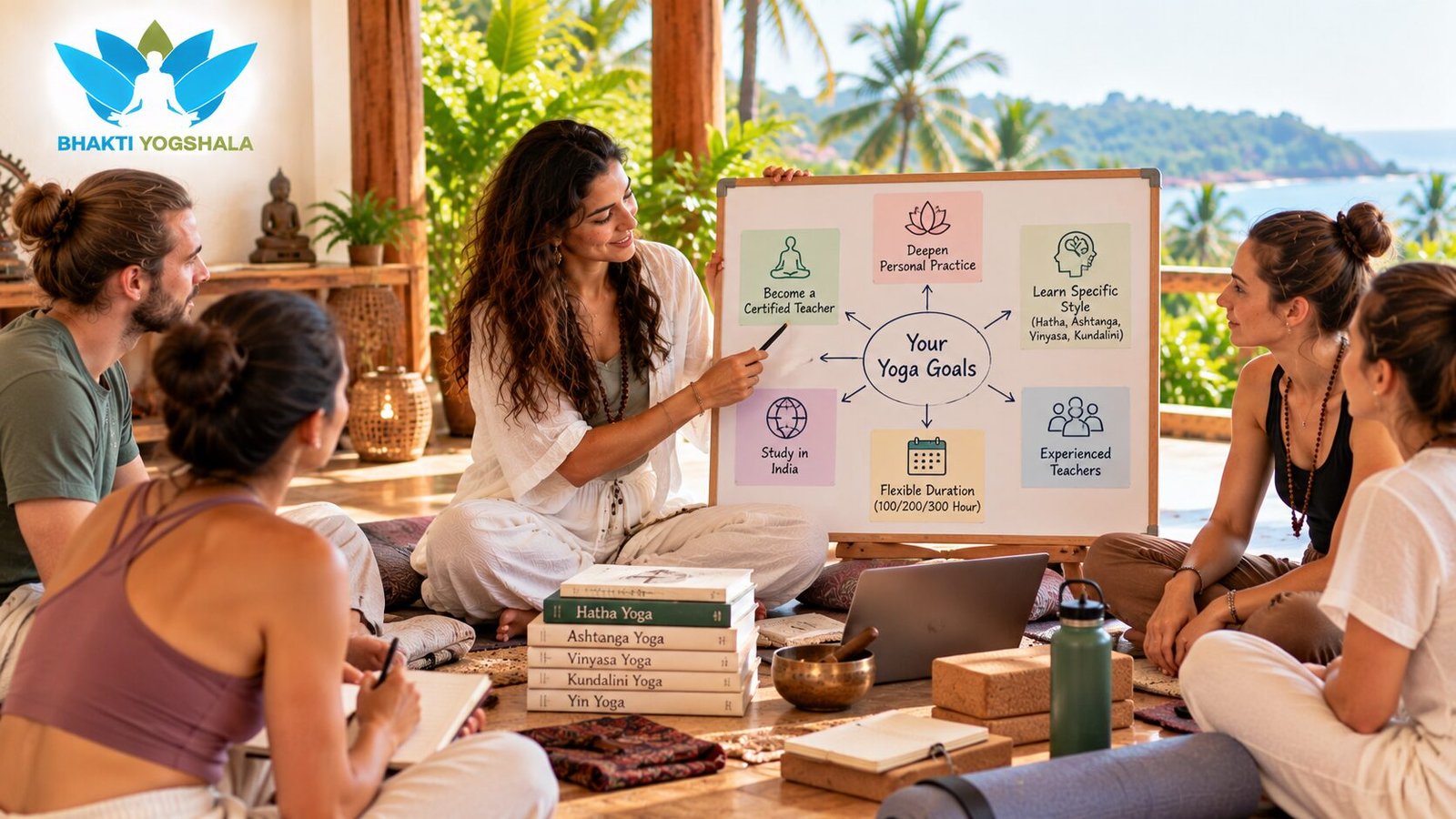
Before enrolling, consider what you want to gain from the training. Some students primarily want to deepen their personal practice, while others intend to teach professionally after completing the course.
Consider these factors before making a decision:
- Review the complete syllabus and number of practical teaching hours.
- Check which yoga styles, philosophy subjects, anatomy topics, and meditation methods are included.
- Understand accommodation, meals, course materials, assessments, and certification details.
- Ask about instructor experience and the balance between theory and practice.
- Consider whether the schedule and learning environment suit your physical and educational needs.
A thoughtfully structured program should leave students with more than a certificate. It should provide a foundation they can continue developing through personal practice, further education, observation, and teaching experience.
For students exploring yoga teacher training in GOA, programs such as those offered by Bhakti Yogshala can be considered by reviewing their curriculum, teaching approach, and overall course structure before enrollment.
Preparing for a 200-Hour Yoga Teacher Training
You do not necessarily need to be able to perform advanced yoga poses before starting teacher training. A consistent personal practice, openness to learning, and willingness to participate are generally more important.
It can be useful to begin practicing basic asanas, breathing exercises, and meditation before the course. Reading introductory material about yoga philosophy and becoming familiar with basic Sanskrit terminology can also make the learning process easier.
Most importantly, approach the course with curiosity. Teacher training involves learning from instructors, practicing with classmates, receiving feedback, and reflecting on your own experiences.
Conclusion
A 200-hour YTT provides a broad introduction to yoga as a discipline involving the body, breath, mind, philosophy, and teaching practice. From anatomy and alignment to meditation, pranayama, ethics, and sequencing, each subject contributes to a more complete understanding of yoga.
For anyone considering 200 hours yoga teacher training in GOA, the right program should offer a balanced curriculum that combines traditional knowledge with practical teaching experience. Taking time to understand the syllabus and learning environment can help you select a course that supports your personal and professional goals.
Frequently Asked Questions
- What is included in a 200-hour yoga teacher training?
It commonly includes asana, pranayama, meditation, anatomy, philosophy, teaching methodology, sequencing, and practical teaching. - Do I need advanced yoga experience for a 200-hour YTT?
No. Many programs welcome students with a consistent basic practice and a genuine interest in learning. - Is anatomy important in yoga teacher training?
Yes. Anatomy helps future teachers understand movement, alignment, modifications, and responsible instruction. - Does a 200-hour YTT teach meditation?
Yes. Many programs introduce mindfulness, concentration, breath awareness, mantra, and guided meditation practices. - How should I choose a 200-hour YTT in Goa?
Compare the curriculum, practical teaching hours, instructors, schedule, facilities, course structure, and overall learning approach.