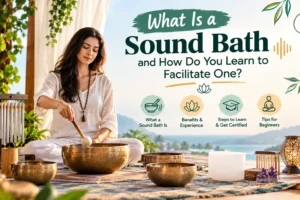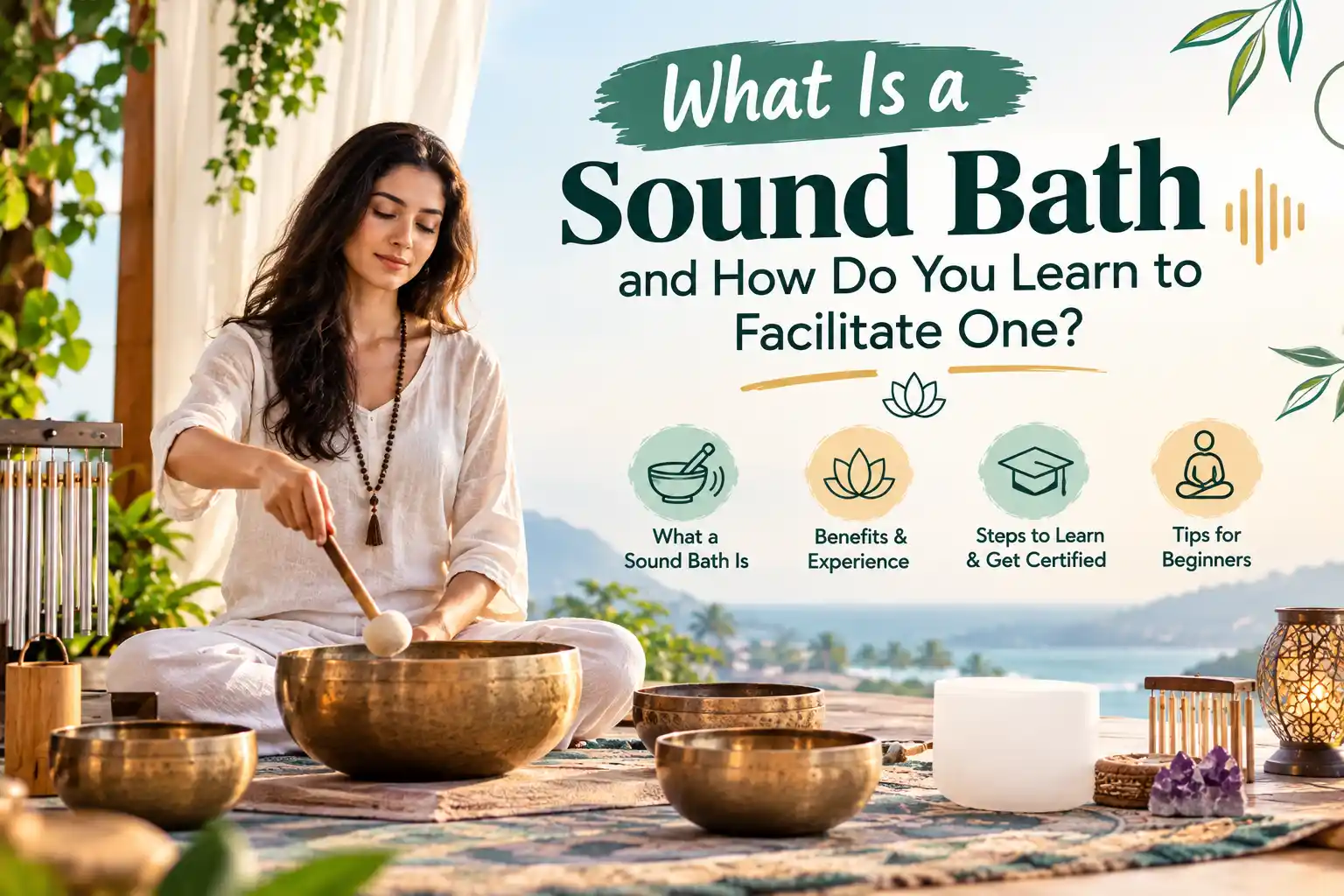
A sound bath is a guided relaxation experience in which participants are immersed in the sounds and vibrations of instruments such as singing bowls, gongs, chimes, drums, and tuning forks. As interest in holistic wellness continues to grow, Sound healing teacher training goa has become an option for people who want to understand sound-based practices and learn how to facilitate calming sessions for others.
Unlike a conventional music performance, a sound bath is generally designed to create a meditative environment rather than entertain an audience. Participants usually lie down or sit comfortably while a facilitator plays different instruments in a carefully planned sequence. The sounds can encourage deep relaxation, mindfulness, and a greater awareness of the present moment.
But what does it actually take to facilitate a sound bath? Is formal training necessary, and what should you learn before working with participants? This guide explores the fundamentals of sound baths and the skills involved in becoming a responsible facilitator.
What Is a Sound Bath?
A sound bath is an immersive wellness practice where participants experience a continuous or layered soundscape created using acoustic instruments. Singing bowls, gongs, crystal bowls, chimes, percussion instruments, and other sound-producing tools may be incorporated into a session.
The word “bath” refers to the idea of being surrounded or immersed in sound. Participants are generally encouraged to relax, close their eyes, and focus their attention on the sounds, vibrations, breathing, and sensations they experience.
A typical session may take place in a yoga studio, wellness center, meditation space, retreat environment, or private setting. The facilitator creates an atmosphere that encourages stillness and relaxation while guiding the session through different sounds and rhythms.
Sound baths are often associated with meditation and mindfulness practices. However, they should not be presented as a replacement for medical treatment or as a guaranteed solution for physical or psychological conditions.
How Does a Sound Bath Work?
The experience of a sound bath is based on listening, attention, vibration, and relaxation. Different instruments produce different tones, frequencies, textures, and levels of resonance. A facilitator can combine these sounds to create an evolving auditory environment.
For example, a session may begin with gentle chimes or soft singing bowls before gradually introducing deeper gong sounds. The facilitator may then reduce the intensity toward the end, allowing participants to return to a quiet state.
The experience can encourage participants to shift their attention away from everyday distractions. Slow breathing and a comfortable posture may further support a meditative atmosphere.
Individual experiences vary considerably. Some participants may feel deeply relaxed, while others may simply enjoy having quiet time away from their normal routine. The facilitator’s role is not to promise a particular result but to create a safe and supportive environment for the practice.
What Does a Sound Healing Facilitator Actually Do?
Facilitating a sound bath involves much more than knowing how to play a singing bowl. A facilitator needs to understand the instruments, session structure, participant comfort, space preparation, and appropriate communication.
Before beginning, the facilitator may explain what participants can expect, where they should position themselves, and how they can modify their posture if necessary. During the session, they need to remain attentive to volume, pacing, transitions, and the overall environment.
After the session, participants may be given a few quiet moments before being invited to sit up or discuss their experience. This closing period can help create a smooth transition back into normal activity.
A responsible facilitator also understands professional boundaries. Sound-based wellness practices should be presented accurately, without making unsupported medical claims or guaranteeing specific outcomes.
What Do You Learn in Sound Healing Teacher Training Goa?
People interested in becoming facilitators often begin with structured education. A well-designed Sound healing teacher training goa program can introduce students to both the practical and theoretical aspects of sound-based wellness.
Training may cover the history and philosophy of sound practices, instrument handling, meditation, breath awareness, session planning, and facilitation techniques. Students may also learn how different instruments produce different tones and how to combine them effectively.
Practical training is particularly important. Reading about a gong or singing bowl is very different from learning how to use one in a real session. Students need opportunities to practice striking techniques, volume control, transitions, timing, and positioning.
Some programs may also connect sound practices with yoga, meditation, chakra traditions, breathwork, or other holistic disciplines. The exact curriculum depends on the training provider, so prospective students should review the syllabus carefully before enrolling.
Instruments Commonly Used in Sound Baths
A facilitator may work with several instruments depending on their style, training, and the type of session being offered.
Common instruments include:
- Tibetan or Himalayan singing bowls
- Crystal singing bowls
- Gongs
- Tuning forks
- Chimes and bells
- Drums and other percussion instruments
- Ocean drums and shakers
Each instrument has its own playing technique and sound characteristics. Learning to use them effectively requires practice rather than simply purchasing a collection of instruments.
Students in a sound healing course Goa may have the opportunity to experiment with different instruments and understand how they can be incorporated into an individual or group session.
How to Choose the Best Sound Healing Training Goa
There are many factors to consider when comparing training programs. The best sound healing training Goa for one student may not be the right fit for another, because people enter sound work with different backgrounds and goals.
Someone with experience in yoga or meditation may want a program that emphasizes facilitation and advanced sound techniques. A complete beginner may prefer a course that starts with fundamental concepts and provides plenty of supervised practice.
When comparing programs, consider:
- Course duration and daily schedule
- Instruments included in practical training
- Instructor experience and teaching approach
- Balance between theory and hands-on learning
- Meditation, breathwork, or related practices included
- Assessment and certification requirements
It is also useful to ask whether students get opportunities to facilitate practice sessions. Real-world practice can help develop confidence, listening skills, timing, and awareness of participants.
What Skills Do You Need to Facilitate a Sound Bath?
Technical knowledge is only one part of becoming a good facilitator. A sound bath takes place in a shared environment, so interpersonal awareness is equally important.
A facilitator should be able to communicate instructions clearly without disrupting the peaceful atmosphere. They also need to observe the group, recognize when the volume or intensity may be uncomfortable, and adapt when appropriate.
Listening is another important skill. Rather than following a rigid sequence every time, experienced facilitators may learn to respond to the energy and needs of the group while maintaining a clear session structure.
Patience and presence also matter. Participants may arrive distracted, tired, or unfamiliar with meditation. Creating a welcoming environment can help beginners feel more comfortable.
A sound therapy training Goa program can provide an organized setting in which students develop these skills through demonstrations, guided practice, and feedback.
How Long Does It Take to Learn Sound Bath Facilitation?
There is no universal timeline for becoming comfortable with sound facilitation. A short introductory workshop may teach basic instrument techniques, while a more comprehensive program can provide deeper theoretical knowledge and repeated practical sessions.
Your previous experience can also influence the learning process. Someone familiar with meditation, yoga, music, breathwork, or group facilitation may already possess useful skills.
However, completing a course is only one stage of learning. Continued personal practice can help you become more familiar with instruments, while facilitating small practice sessions can improve your confidence and timing.
A good sound therapy training Goa experience should therefore be viewed as the beginning of ongoing development rather than an endpoint.
What Should You Look for in a Sound Healing Course?
When researching a sound healing course Goa, avoid choosing solely on the basis of course length or promotional claims. Look at what you will actually learn and how much practical experience is included.
A useful course should explain its learning objectives, teaching methodology, instructor background, practical components, and certification process. Transparency is especially important when a course uses terms such as “healing,” “therapy,” or “frequency,” because these words can be interpreted in different ways.
Students should also understand the distinction between wellness facilitation and healthcare. A sound bath facilitator is not automatically qualified to diagnose or treat medical conditions simply because they have completed sound-related training.
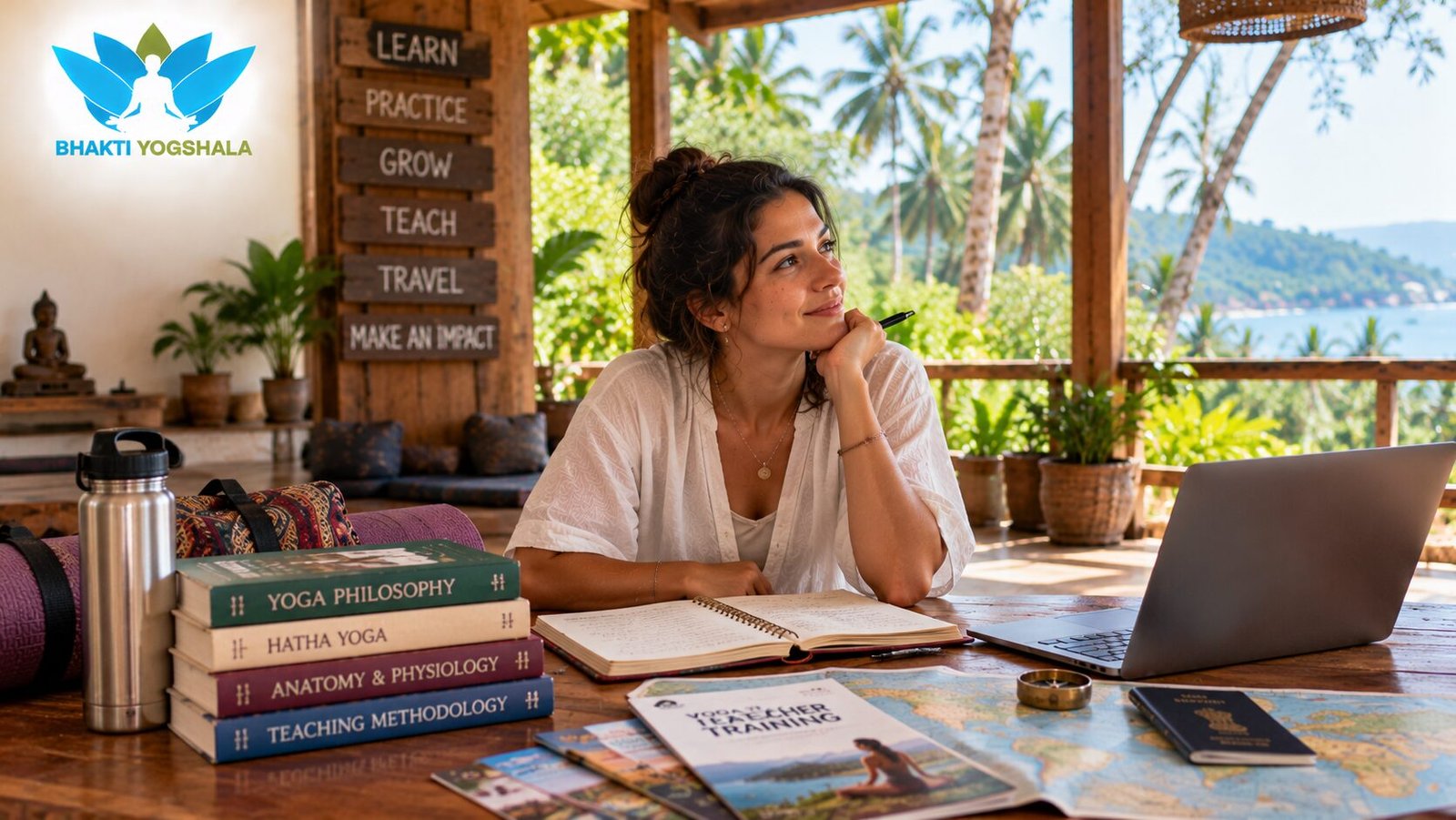
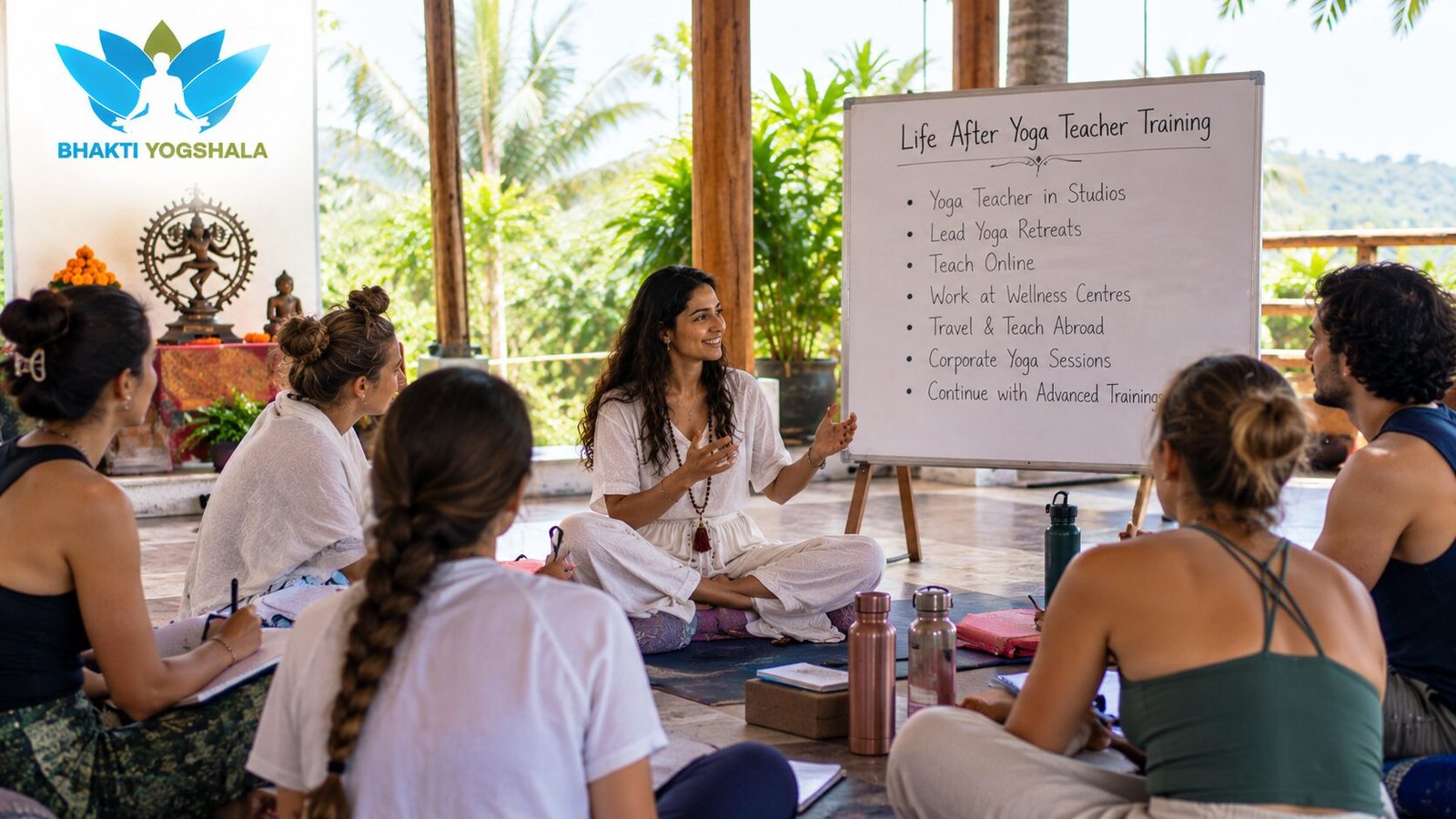
Bhakti Yogshala offers an example of a wellness education environment where practices such as yoga, meditation, and traditional approaches can be explored as part of a broader learning experience.
How to Prepare for Your First Sound Bath Session
Facilitating your first session can feel challenging, but preparation can make the process smoother. Start with a simple structure instead of trying to use every instrument you have learned.
Prepare the space in advance and check that participants can lie or sit comfortably. Test the instruments and think about transitions between sounds. Keep the opening and closing instructions clear and concise.
During the session, avoid focusing entirely on the instruments. Pay attention to the environment and participants as well. The goal is to create a comfortable experience rather than demonstrate how many techniques you know.
Afterward, allow participants enough time to transition out of the practice. A few moments of silence, gentle breathing, or simple reflection can provide a natural ending.
Building Your Path as a Sound Bath Facilitator
Learning to facilitate sound baths is a combination of education, practice, observation, and personal experience. Formal training can provide structure, while regular practice helps develop confidence with instruments and group settings.
If you are researching Sound healing teacher training goa, compare programs carefully and consider whether their teaching approach matches your goals. Look for hands-on practice, experienced instructors, clear course content, and responsible communication about the purpose and limitations of sound-based wellness.
Sound baths can be a beautiful addition to yoga studios, meditation programs, retreats, wellness spaces, and private sessions. With appropriate training and continued practice, facilitators can create thoughtfully structured experiences that encourage participants to slow down, listen, and reconnect with a sense of calm.
Conclusion
A sound bath is an immersive relaxation practice that uses instruments, resonance, and mindful listening to create a calming environment. Learning to facilitate one requires more than knowing how to play singing bowls or gongs. It involves understanding instruments, session planning, communication, participant comfort, and responsible facilitation.
For anyone considering Sound healing teacher training goa, the most important step is to choose education that combines theory with practical experience. A strong foundation can help you develop the confidence and awareness needed to guide sound-based wellness sessions in a thoughtful and professional way.
Frequently Asked Questions
1. What is a sound bath?
A sound bath is a guided relaxation experience where participants are immersed in sounds produced by instruments such as singing bowls, gongs, and chimes.
2. Do I need training to facilitate a sound bath?
Formal training is strongly useful for learning instrument techniques, session structure, safety considerations, and responsible facilitation.
3. Which instruments are used in sound baths?
Common instruments include singing bowls, gongs, tuning forks, chimes, bells, and various percussion instruments.
4. How long does sound healing training take?
Course length varies from short workshops to comprehensive training programs lasting several days or weeks.
5. Can sound baths replace medical treatment?
No. Sound baths are wellness and relaxation practices and should not be presented as a substitute for qualified medical care.