Goa has become a popular destination for people who want to study yoga in a setting that supports focused learning and personal renewal. For students interested in 200 hours kundalini yoga teacher training GOA, the appeal goes beyond beaches and tropical scenery. Goa offers an established yoga culture, wellness communities, experienced teachers, and a relaxed environment that can make intensive training feel more balanced.
Why Goa Is Ideal for 200 hours kundalini yoga teacher training GOA
Teacher training requires more than attending classes. Students may spend several hours daily on asana, pranayama, meditation, anatomy, philosophy, teaching methodology, and practical instruction. A peaceful destination can create the mental space needed for immersive study.
Goa’s coastal environment also supports a slower daily rhythm. Early morning practice can be followed by classroom sessions, personal study, meditation, or quiet reflection. This helps students experience yoga as a lifestyle rather than simply a workout.
A Strong Yoga and Wellness Culture
Goa has developed a diverse wellness scene that attracts yoga practitioners, meditation students, holistic health seekers, and international travelers. Students can meet people from different backgrounds and encounter varied approaches to yoga.
For anyone searching for the best Kundalini Yoga teacher training in Goa, this broader yoga culture can be valuable. This also makes Goa attractive when comparing the best Kundalini Yoga teacher training in Goa. Kundalini yoga explores the relationship between body, breath, mind, awareness, meditation, mantra, and subtle energy. Learning these practices in an environment familiar with yoga can encourage deeper engagement with the discipline.
What Makes 200 hours kundalini yoga teacher training GOA Different?
A 200-hour program is generally a foundational teacher-training pathway. Each school has its own curriculum, combining practical sessions and theory. The aim is to understand how to guide a class safely and thoughtfully.
Kundalini-oriented training may introduce breathwork, meditation, mantra, kriya, concentration, and traditional yogic philosophy alongside physical practice. Students may also study sequencing, modifications, communication, class planning, and teaching ethics. These subjects help turn personal practice into skills for responsible instruction.
Goa encourages immersion, allowing students to create a temporary routine centered on study and practice.
A Natural Setting for Meditation and Self-Reflection
Natural surroundings, greenery, open spaces, and the coastal atmosphere can provide opportunities for quiet reflection outside scheduled sessions. Many students find it easier to establish consistent meditation when daily distractions are reduced.
Time away from familiar surroundings can encourage self-observation and greater awareness of breathing, reactions, habits, and concentration. This is particularly relevant to Kundalini yoga, where inner awareness is an important part of practice.
International Exposure and Diverse Perspectives
Goa attracts visitors from India and around the world. Yoga courses often reflect this international character, allowing students to practice alongside people with different cultural experiences, professions, and reasons for becoming teachers.
This diversity can improve communication skills. Future teachers may eventually work with students of different ages, abilities, fitness levels, and cultural backgrounds. Learning in a diverse group provides an early opportunity to listen, adapt, explain concepts clearly, and respect different perspectives.
For students comparing options for the best Kundalini Yoga teacher training, an internationally minded learning environment can therefore be an important consideration.
Experienced Teachers and Immersive Learning
The quality of instructors should always matter more than the destination itself. Students should research teacher qualifications, course structure, practical teaching opportunities, class size, accommodation, daily schedule, and the school’s approach to Kundalini yoga before enrolling.
A good program should balance traditional knowledge with responsible teaching methods, including demonstrations, modifications, observation, and class management.
Immersive training can also make learning more memorable. Repeating practices daily allows concepts introduced in theory to become part of direct experience. Students can notice how pranayama affects attention, how meditation influences mental steadiness, and how regular practice changes their understanding of yoga.
A Balanced Lifestyle During Teacher Training
Intensive courses can be demanding. Students may spend much of the day training, studying, practicing, and completing assignments. Goa offers opportunities to maintain balance during free time without completely leaving the learning environment.
A short walk, time in nature, mindful rest, or quiet practice can help students recover. The goal is not to turn teacher training into a holiday but to create healthy space around an intensive educational schedule.
A beautiful location cannot compensate for weak teaching standards or limited practical instruction.
How to Choose the best Kundalini Yoga teacher training
Choosing a course requires looking beyond promotional claims. First, check whether the curriculum clearly explains what students will learn and how teaching practice is assessed. A transparent schedule helps you understand whether the course provides enough time for theory and practical development.
Second, consider the teachers. Look for relevant training, teaching experience, and a clear understanding of Kundalini practices. Recent student feedback can offer useful insight, although experiences differ.
Third, review practical arrangements. Accommodation, food, class facilities, study materials, and student support can affect your overall experience during a residential course.
Before enrolling, pay attention to:
- Curriculum depth and daily schedule
- Teacher experience and teaching approach
- Practical teaching and assessment
- Certification and course recognition
- Accommodation, meals, and facilities
- Student reviews and learning support
Finally, think about your objective. Some students want to teach professionally, while others want deeper personal knowledge or a foundation for advanced study. Knowing your goal makes it easier to select a program that matches your expectations.
Why Goa Appeals to First-Time Teacher Trainees
For someone entering formal yoga education for the first time, Goa can feel approachable. The destination combines travel infrastructure with an established wellness culture.
A change of environment can reduce routine interruptions and create more space for practice, reading, and discussion.
Teacher training is still a serious commitment. Kundalini yoga includes practices that should be learned progressively and taught responsibly. A strong course should encourage discipline, awareness, safe practice, and respect for yoga’s traditional foundations.
Building Skills Beyond the Yoga Mat
One valuable outcome of teacher training is learning how to communicate. A teacher needs to explain techniques, give clear instructions, observe students, manage a group, and respond appropriately to different needs.
A comprehensive program can also develop patience, consistency, self-awareness, listening, and confidence. These skills can support teaching in studios, retreats, private sessions, or online settings.
Goa’s diverse yoga community exposes students to different teaching styles and perspectives.
A well-structured program such as one offered by Bhakti Yogshala can give students a setting where regular practice and theoretical learning work together to develop a stronger understanding of yoga.
Final Thoughts
Goa’s combination of yoga culture, natural surroundings, diverse community, and immersive learning explains why it remains attractive to aspiring teachers. For those considering 200 hours kundalini yoga teacher training GOA, the destination can provide a supportive setting to build a disciplined practice while exploring meditation, breathwork, philosophy, and teaching skills.
The experience ultimately depends on choosing a credible program with qualified teachers, a balanced curriculum, practical training, and suitable student support. Approached carefully, a Goa-based course can become more than a certification program—it can be a focused period of learning, self-discovery, and preparation for sharing yoga with others.
Frequently Asked Questions
1. Why is Goa popular for Kundalini yoga training?
Goa offers a strong yoga and wellness culture, peaceful surroundings, and a diverse international community.
2. Is Goa suitable for beginners?
Yes. Beginners can choose a structured foundational program that introduces yoga practice and teaching methods progressively.
3. What does a 200-hour Kundalini course teach?
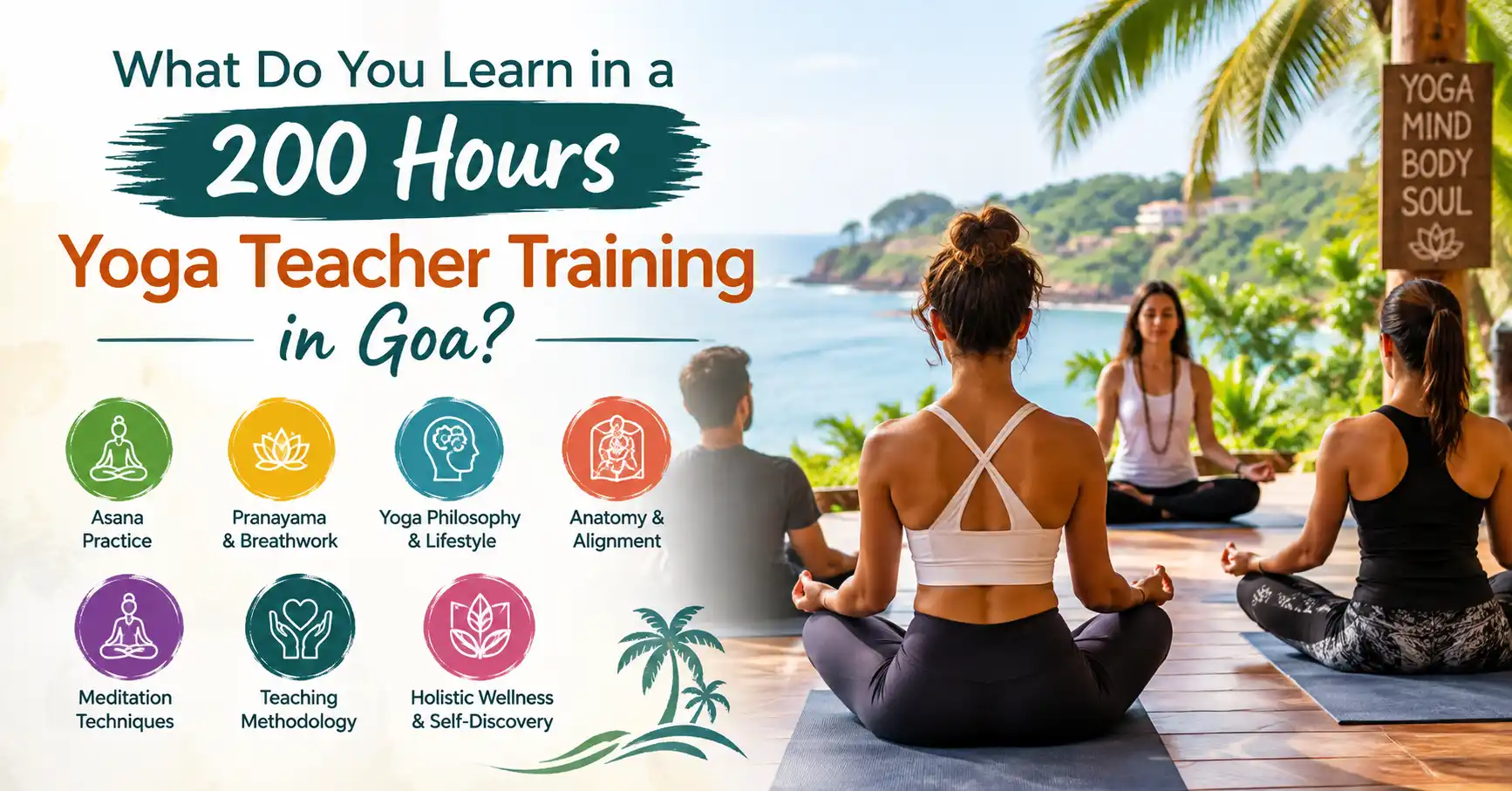
It may cover asana, pranayama, meditation, mantra, kriya, philosophy, anatomy, teaching methodology, and practical teaching.
4. How do I choose the best Kundalini Yoga teacher training?
Check the curriculum, teacher qualifications, practical opportunities, certification, facilities, schedule, and recent student feedback.
5. Can teacher training support personal growth?
Yes. Regular practice, meditation, self-reflection, and immersive study can support greater awareness, discipline, and confidence.