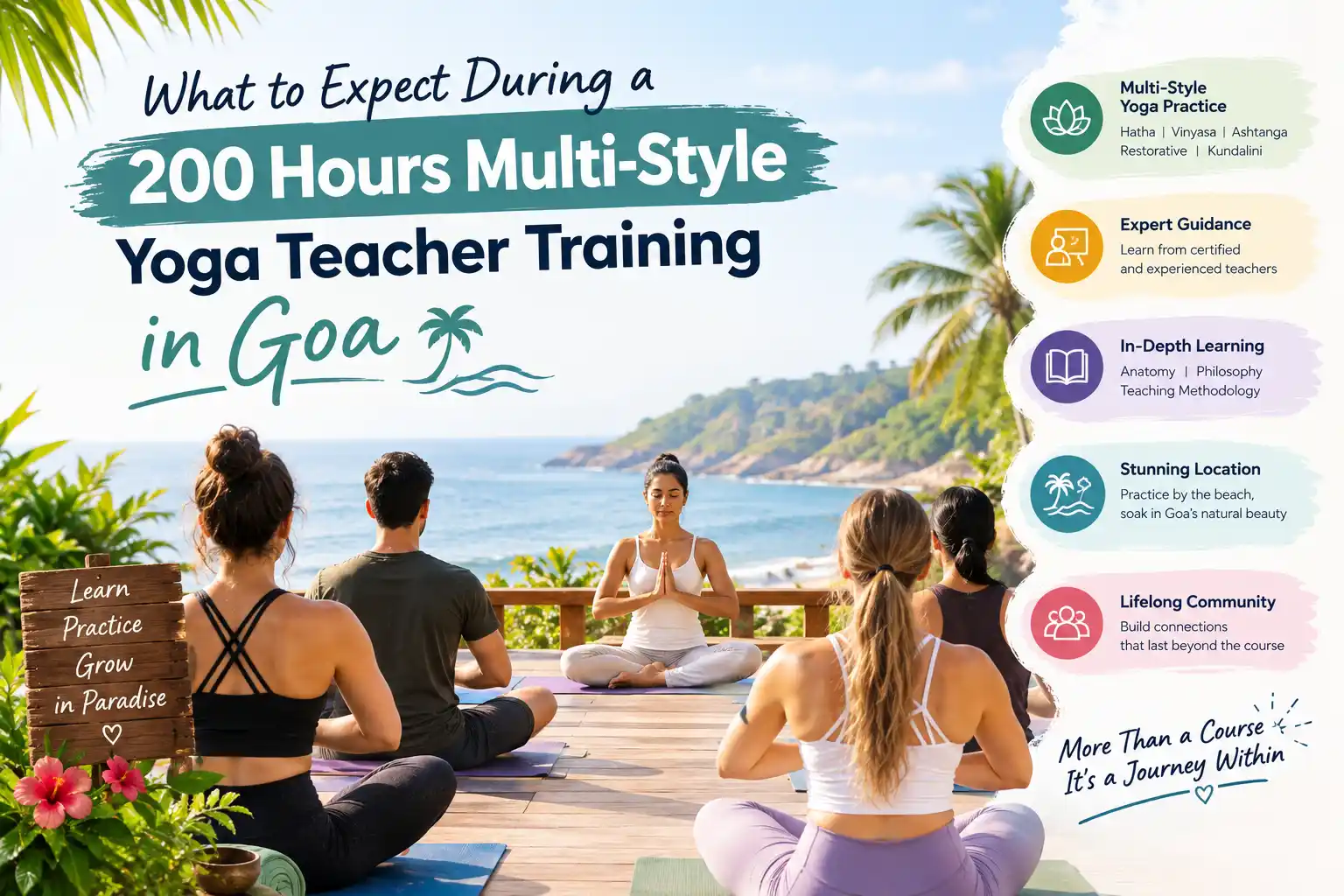
Completing 200 hours yoga teacher training in GOA can be a valuable first step toward building a professional career as a yoga instructor. However, completing a course does not automatically mean you are fully prepared for every teaching situation. Your training quality, practical experience, certification, communication skills, confidence, and the requirements of the studio where you plan to work all matter. A well-designed program can give you the knowledge and foundation required to begin teaching safely and responsibly.
What Does 200 Hours Yoga Teacher Training in GOA Actually Prepare You For?
A 200-hour yoga teacher training program is generally considered a foundational course for people who want to become professional yoga teachers. It combines practical sessions with theoretical learning to help students understand both yoga practice and teaching methodology.
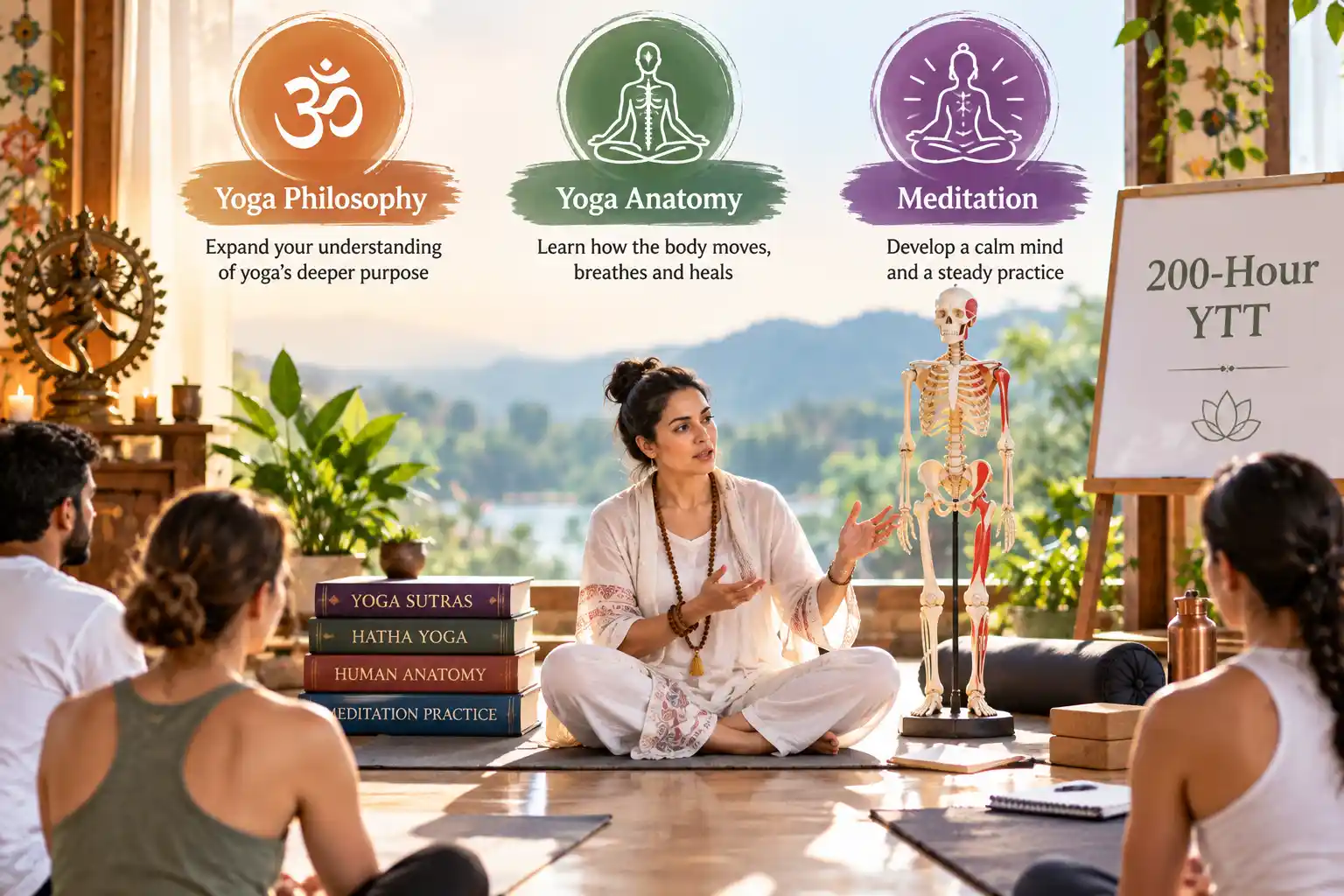
During 200 hours yoga teacher training in GOA, students commonly learn about asanas, pranayama, meditation, yoga philosophy, anatomy, alignment, sequencing, teaching methods, and professional ethics. Depending on the school and curriculum, students may also study traditional yogic practices, cleansing techniques, communication skills, and supervised teaching.
The purpose of the training goes beyond improving flexibility or physical strength. Students learn how to demonstrate postures correctly, explain techniques clearly, observe practitioners, offer suitable modifications, and structure effective yoga classes.
For many beginners, this foundation can be sufficient to start exploring entry-level teaching opportunities after successfully completing their training. Programs such as those offered by Bhakti Yogshala can also help students develop a more structured understanding of yoga and teaching.
Can You Start Teaching Immediately After Certification?
In many cases, graduates can begin teaching beginner or general-level yoga classes after completing a recognized 200-hour program. However, earning a certificate should not be considered the final stage of learning.
Your first teaching opportunities may involve assisting an experienced instructor, teaching friends or small groups, conducting beginner sessions, or teaching under supervision. These experiences allow you to apply what you learned during your training in real teaching situations.
Teaching effectively requires more than knowing how to perform a posture. You may understand alignment perfectly during your training but find that explaining the same concept to different students requires patience, clarity, and adaptability. Practical experience helps develop these skills.
What Skills Should You Have Before Teaching Professionally?
Professional yoga teaching involves much more than demonstrating physical poses. Students depend on their teachers for clear instructions, appropriate sequencing, safe practices, and a supportive learning environment.
A strong foundational course should help you develop important skills such as:
- Demonstrating and explaining yoga postures clearly
- Creating balanced and logical class sequences
- Providing modifications for different experience levels
- Understanding basic anatomy and alignment
- Using breathwork and meditation appropriately
- Communicating confidently with individuals and groups
You should also learn when a particular practice may not be appropriate. Understanding your professional boundaries and knowing when to recommend that a student consult a qualified healthcare professional are important parts of responsible yoga teaching.
Is 200 Hours Yoga Teacher Training in GOA Enough for a Yoga Career?
For many aspiring instructors, 200 hours yoga teacher training in GOA can provide a strong foundation for beginning a yoga teaching career. Whether it is enough for your specific goals depends on the type of classes and students you want to teach.
If you plan to teach general or beginner-level yoga, you may be able to start after completing a quality foundational course and gaining enough practical experience. However, specialized areas such as prenatal yoga, therapeutic yoga, children’s yoga, or advanced meditation may require additional education and specialized training.
Your career can develop gradually. A 200-hour program can establish your core knowledge, while workshops, advanced teacher training, specialty courses, mentorship, and consistent personal practice can help you develop greater expertise over time.
Why Goa Is a Good Place to Begin Your Teaching Journey
Goa has a well-established yoga and wellness environment, making it an appealing destination for immersive teacher training. Students can dedicate several weeks to regular practice, study, meditation, and interaction with teachers and fellow practitioners.
Many residential programs provide a structured daily routine. Rather than attending occasional classes, students can spend their days combining physical practice, theory, meditation, and self-study.
Goa can also provide an opportunity to explore yoga beyond physical exercise. Students may develop a deeper understanding of philosophy, mindfulness, breath awareness, meditation, and traditional yogic practices.
For students comparing options for yoga teacher training in GOA, the destination can be attractive because it combines structured learning with an environment that encourages focused practice.
Choosing the Best 200 Hour Yoga Teacher Training Goa
Not every teacher-training program offers the same curriculum, teaching experience, or level of practical preparation. When comparing programs, it is important to look beyond the location and promotional claims.
The best 200 hour yoga teacher training Goa option should ideally include experienced teachers, a transparent curriculum, adequate teaching practice, and clear certification information. You should also consider class sizes and whether instructors provide individual feedback.
A quality program should give trainees opportunities to practice teaching instead of focusing entirely on theory or instructor-led sessions.
Before enrolling, consider:
- Course curriculum and daily schedule
- Teachers’ qualifications and experience
- Amount of supervised teaching practice
- Certification and registration details
- Accommodation and learning facilities
- Feedback from previous students
- Post-course guidance or mentorship
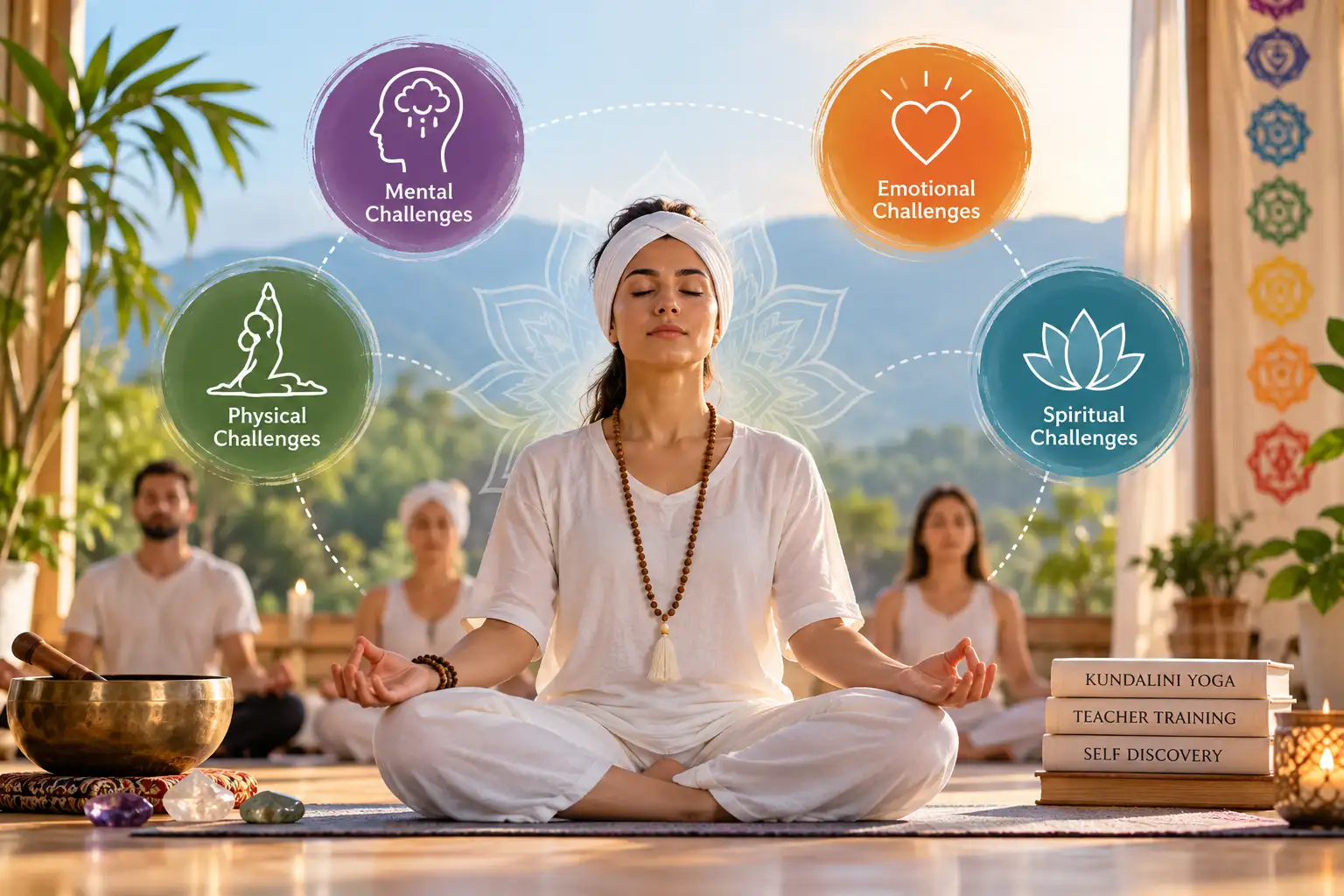
It is also important to select a program that matches your preferred teaching approach. A course focused mainly on traditional Hatha yoga may differ considerably from one that emphasizes Vinyasa, Ashtanga, Kundalini, or a broader multi-style curriculum.
Can an Affordable Course Still Offer Quality Training?
Cost is an important consideration for many students. Searching for an affordable 200 hour yoga teacher training Goa program can help you find a course that fits your budget, but price should not be your only deciding factor.
An affordable course can still provide good value if it includes qualified instructors, a comprehensive curriculum, meaningful teaching practice, suitable facilities, and student support.
When comparing an affordable 200 hour yoga teacher training Goa program with a more expensive course, examine exactly what is included in the total price. Accommodation, meals, study materials, certification, excursions, and additional workshops can all influence the overall value.
The lowest-priced course is not automatically the best option, while a more expensive program is not necessarily the most comprehensive. Consider the quality and overall benefits of the training before making your decision.
What Can You Do After Completing Teacher Training?
After completing certification and gaining sufficient practice, graduates can explore different professional teaching opportunities. Some begin with group classes at yoga studios or wellness centers. Others choose private instruction, corporate wellness programs, online yoga sessions, or community classes.
Your opportunities can depend on several factors, including your experience, location, specialization, communication skills, and professional network.
Building a professional yoga career may also involve creating a teaching profile, developing a portfolio, networking with studios, attending workshops, and maintaining a consistent personal practice.
As you gain experience, you may decide to specialize in a particular area. Options can include meditation, mobility, senior yoga, children’s yoga, prenatal yoga, stress management, or another field that requires appropriate additional training.
Why Continued Learning Matters
Yoga is a broad discipline, and a single course cannot cover every aspect in depth. Continuing education allows teachers to strengthen their knowledge and improve the way they support their students.
Experienced teachers may continue studying anatomy, philosophy, sequencing, teaching methodology, meditation, and specialized yoga approaches. Workshops and advanced courses can provide new perspectives while helping instructors refine their existing skills.
Personal practice is equally important. A teacher who continues learning can maintain curiosity and deepen their own understanding of movement, breathing, concentration, and self-awareness.
Professional development also requires clear boundaries. Yoga teachers should not diagnose medical conditions or present yoga as a replacement for appropriate medical treatment.
Final Thoughts
So, can you teach professionally after completing 200 hours yoga teacher training in GOA? For many students, the answer is yes. A quality 200-hour program can provide the foundational knowledge and practical skills needed to begin teaching general yoga classes.
However, becoming a confident and responsible yoga teacher involves more than earning a certificate. Practical teaching experience, continued education, personal practice, mentorship, and a strong commitment to student safety all contribute to long-term professional development.
Whether you choose a residential course in Goa or another destination, focus primarily on the quality of education, teaching practice, curriculum, and support available. The right training program can provide a strong foundation and help you move toward a rewarding yoga teaching career.
Frequently Asked Questions
1. Can I teach yoga after a 200-hour course?
Yes. Many graduates begin teaching beginner or general yoga classes after completing a quality foundational program.
2. Is 200 hours enough to become an expert?
No. It provides foundational knowledge. Advanced teaching generally requires continued study and practical experience.
3. Is Goa good for yoga teacher training?
Yes. Goa offers a well-established yoga and wellness environment suitable for immersive learning.
4. How should I choose a 200-hour course?
Compare the curriculum, teachers, practical teaching hours, certification, facilities, student feedback, and overall course value.
5. Can I specialize after 200-hour training?
Yes. You can pursue additional training in areas such as prenatal yoga, children’s yoga, therapeutic approaches, meditation, or other specialties.