If you are considering 200 hours yoga teacher training Kerala, you may wonder whether you need years of yoga practice before enrolling. The simple answer is no. Most well-structured teacher training programs are designed to accommodate students with different levels of experience. What matters more is your willingness to learn, consistency, discipline, and genuine interest in yoga. Whether you have practiced occasionally or are relatively new to yoga, the right training can help you develop a strong foundation in both practice and teaching.
Is Previous Yoga Experience Required for 200 Hours Yoga Teacher Training Kerala?
Previous yoga experience can be helpful, but it is generally not a strict requirement for joining a foundation-level teacher training program. A 200-hour course normally introduces students to essential areas such as asana, pranayama, meditation, yoga philosophy, anatomy, alignment, teaching methodology, and class sequencing.
Students with previous experience may already be familiar with common postures, breathing techniques, or basic meditation. However, beginners can learn these skills during the training itself. The purpose of teacher training is not simply to perform advanced poses. It is an educational journey that helps students understand the principles behind yoga and learn how to communicate them responsibly.
You also do not need to be extremely flexible or athletic. Yoga is not a competition, and physical ability differs from person to person. A committed beginner who practices consistently can often make excellent progress during an intensive course.
What Can Beginners Expect From Yoga Teacher Training in Kerala?
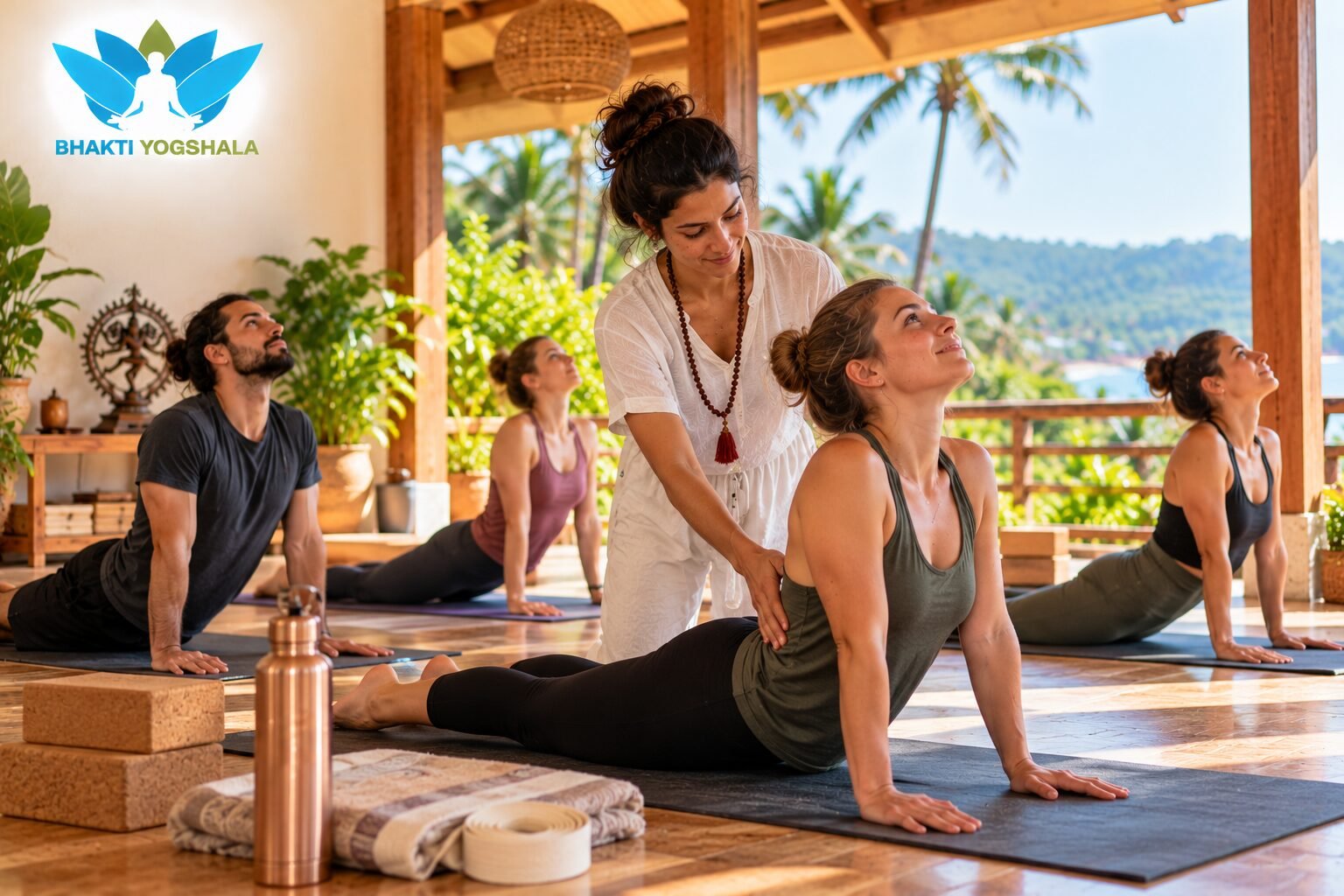
Beginners should expect a focused learning environment rather than a conventional holiday or fitness retreat. A typical training day may include yoga practice, lectures, workshops, meditation, breathing exercises, demonstrations, and teaching practice.
Kerala is an attractive destination for students who want to explore yoga in a setting associated with Indian wellness traditions, nature, and a slower pace of life. Studying in such an environment can make it easier to concentrate on personal practice and self-reflection.
The best 200 hour yoga teacher training Kerala option for a beginner is not necessarily the course with the most physically challenging schedule. Instead, look for a program that explains fundamental concepts clearly, provides modifications, encourages questions, and gives students regular feedback.
A supportive teacher can make a significant difference, especially during the early stages when students are learning correct alignment, breathing patterns, meditation techniques, and teaching cues.
What Skills Can You Develop Without Extensive Yoga Experience?
You can develop many practical and theoretical skills during teacher training, even if you enter the program with limited experience. The curriculum usually progresses from foundational concepts toward more confident practice and instruction.
Important areas you may develop include:
- Understanding fundamental asanas, alignment, modifications, transitions, and safe movement patterns.
- Learning pranayama, meditation, mindfulness, yoga philosophy, anatomy, teaching methodology, verbal cueing, sequencing, demonstration, and observation.
Physical flexibility may improve over time, but it should not be considered the primary measure of readiness. A capable yoga teacher also needs patience, awareness, empathy, communication skills, observation, and the ability to understand different students’ needs.
For example, a teacher may need to modify a posture for a beginner, explain an unfamiliar movement in simple language, or provide an alternative when a student cannot comfortably perform a particular asana. These teaching abilities develop through study and practical experience, not simply through years of personal practice.
How Much Should You Practice Before Joining a Course?
There is no universal number of months or years you must practice before beginning teacher training. If you already practice yoga, maintaining a consistent routine can help your body adjust to longer sessions. If you are a complete beginner, you can prepare by becoming familiar with basic movements and developing body awareness.
Before the course begins, consider practicing simple standing, seated, balancing, and restorative postures. You can also spend time learning basic breathing exercises and short meditation sessions. Avoid forcing advanced poses simply to appear experienced.
Your preparation should focus on consistency rather than intensity. Even a simple routine practiced regularly can help you become more comfortable with movement, breath coordination, concentration, and stillness.
If you are comparing an affordable 200 hour yoga teacher training Kerala program, however, price should not be the only deciding factor. Examine the curriculum, instructor experience, practice hours, accommodation, meals, assessment process, student support, and certification details. A lower course fee is valuable only when the training still provides quality education and proper guidance.
Who Can Join a 200-Hour Yoga Teacher Training?
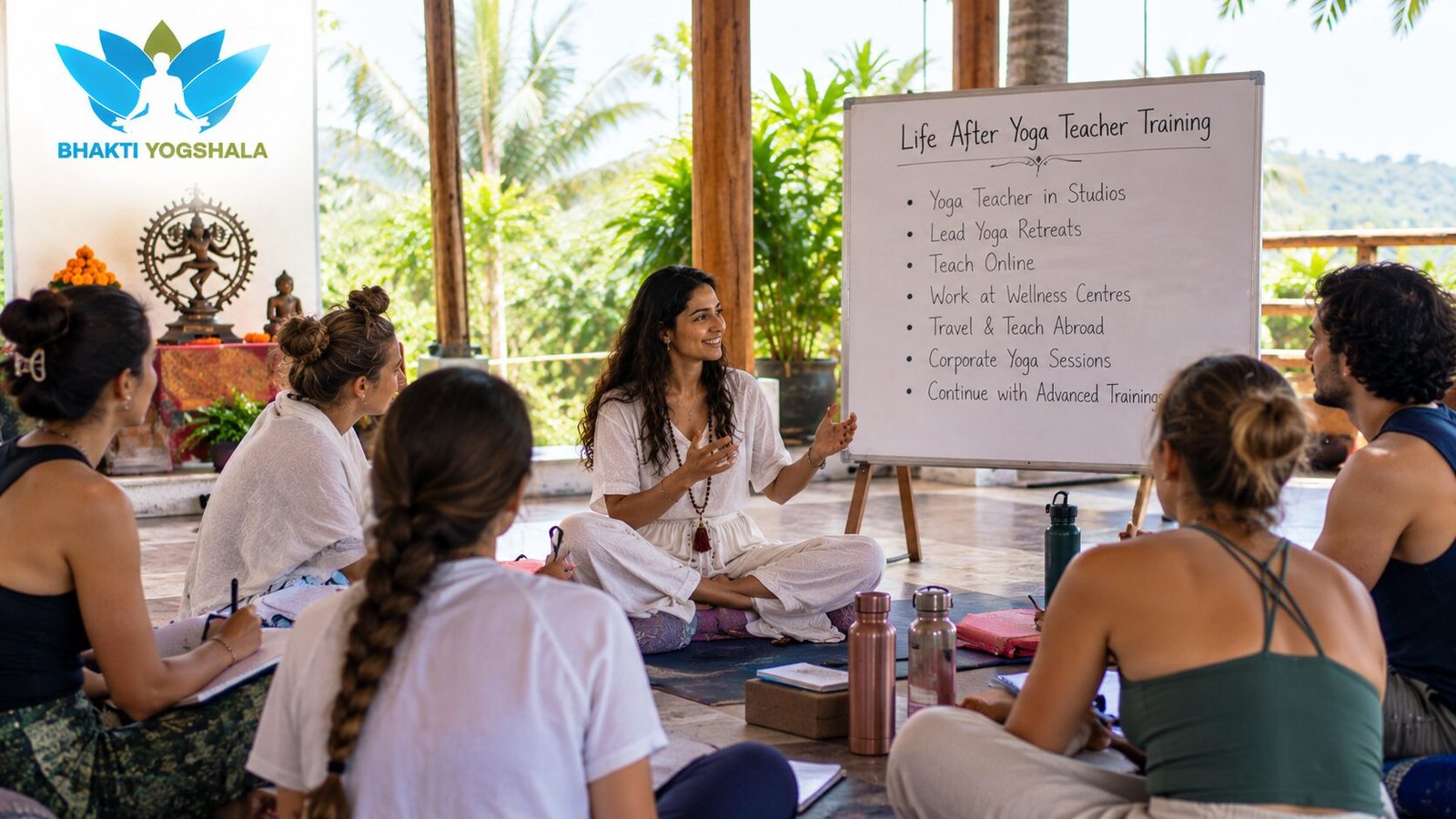
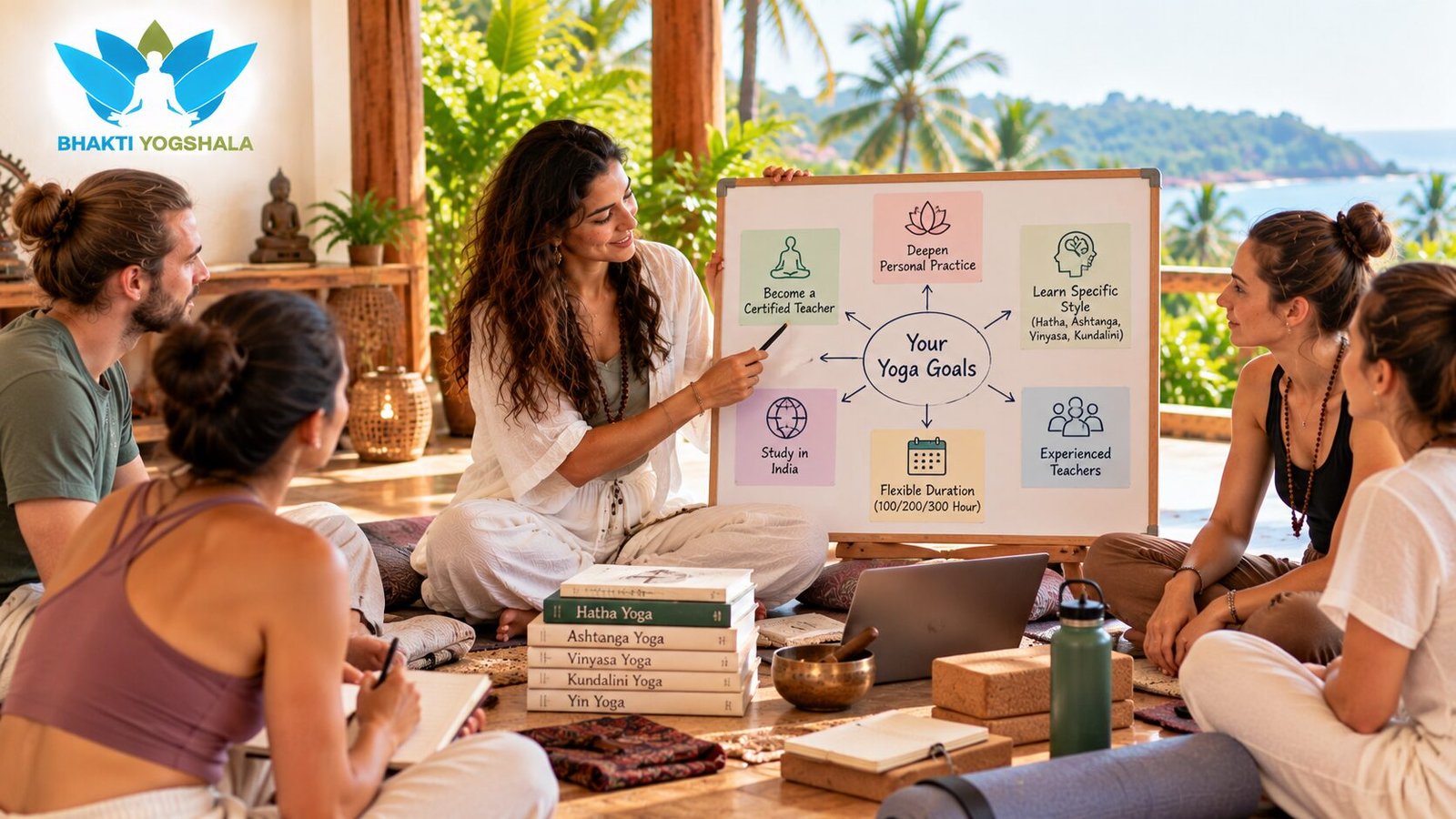
A 200-hour program can appeal to people with different backgrounds and goals. Some participants want to become professional yoga instructors, while others want to deepen their personal practice or understand traditional yoga more thoroughly.
Common participants include:
- Beginners seeking structured yoga education, regular practitioners wanting deeper knowledge, fitness and wellness professionals expanding their skills, and students interested in meditation, pranayama, philosophy, or teaching.
Your current flexibility or fitness level does not automatically determine whether you can succeed. What matters is your ability to participate consistently and follow the school’s practice and learning guidelines.
However, students should understand that teacher training can require commitment. Residential programs may involve early mornings, multiple classes, theoretical study, practice teaching, assignments, and assessments. Being mentally prepared for a disciplined routine can be just as important as physical preparation.
How Can You Prepare for Teacher Training Before Arrival?
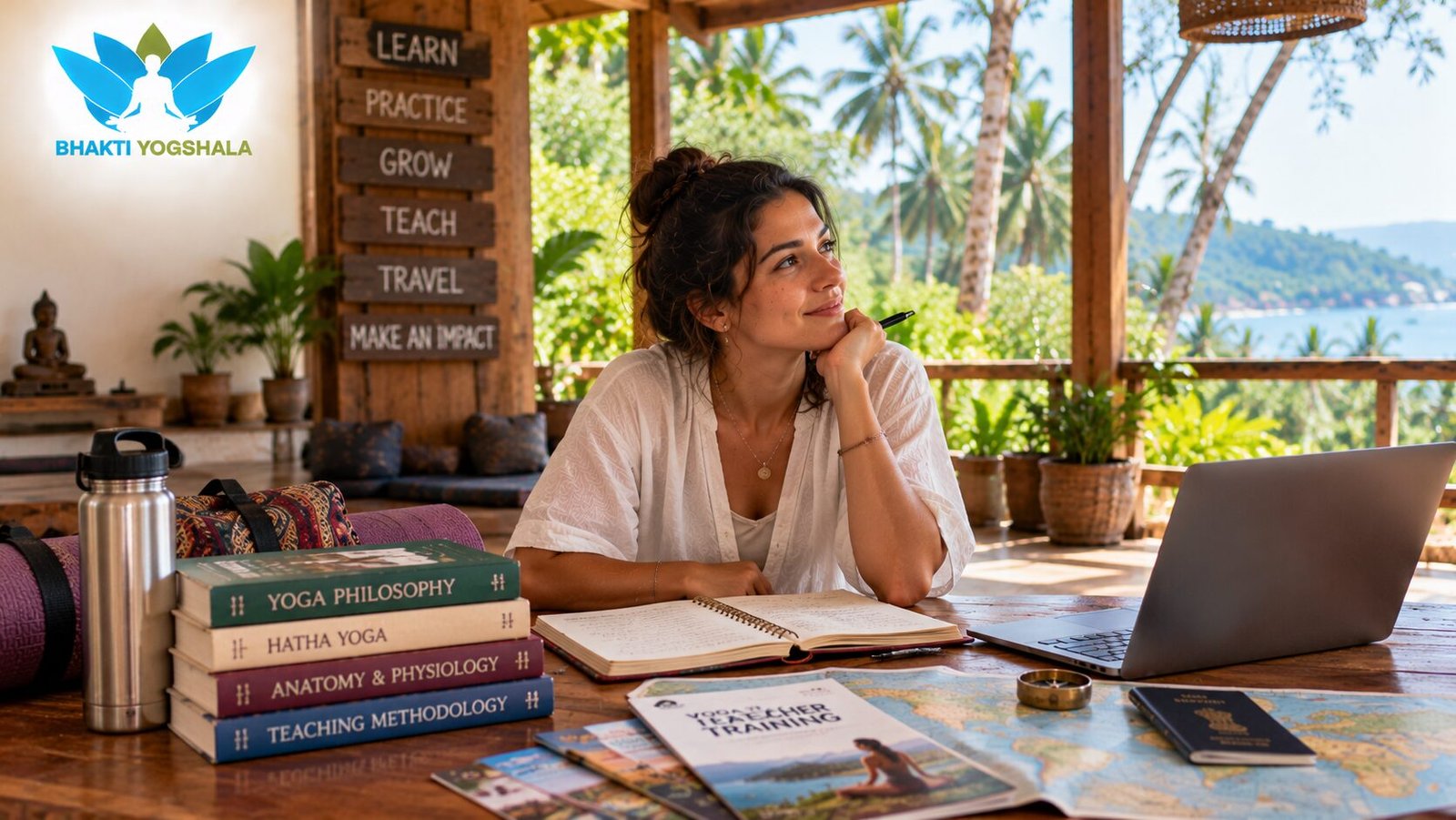
A little preparation can make your training experience more comfortable. Start with a manageable yoga routine instead of trying to master difficult postures before your course begins.
You can gradually become familiar with basic asanas, breathing awareness, meditation, and relaxation. Reading introductory material about yoga philosophy may also help you understand concepts such as the yamas, niyamas, mindfulness, and self-discipline.
Keeping a simple practice journal can be useful as well. Record how different movements feel, which questions arise during practice, and how your breathing or concentration changes. These observations can later help you connect practical lessons with theoretical concepts.
If you are researching Yoga teacher training in Kerala, compare programs based on their learning structure rather than relying only on attractive promotional claims. Check the daily schedule, teaching practice, instructor qualifications, class size, certification, accommodation, and support available to beginners.
What Makes a Teacher Training Program Beginner-Friendly?
A beginner-friendly course should provide appropriate challenges while recognizing that students enter with different abilities. Teachers should explain alignment, breathing, modifications, anatomy, and teaching techniques clearly rather than assuming everyone already understands them.
Practical feedback is particularly important. During teaching sessions, students can learn how to give clear instructions, observe posture, adjust sequences, and communicate confidently. These experiences help transform theoretical knowledge into practical teaching ability.
A strong program should also maintain a balance between physical practice and other dimensions of yoga. Studying only postures may provide an incomplete understanding of the tradition. Philosophy, meditation, pranayama, anatomy, ethics, and teaching methodology can all contribute to a more comprehensive education.
When comparing programs, consider the following factors:
- Curriculum depth and daily practice hours.
- Teacher qualifications and teaching experience.
- Class size and opportunities for personal feedback.
- Accommodation, meals, location, and student support.
- Assessment methods, certification, and post-course guidance.
The best 200 hour yoga teacher training Kerala choice should therefore be educational, transparent, supportive, and suitable for your current level. Do not feel discouraged if you cannot perform advanced poses. A responsible program should help you progress gradually and safely.
Can You Become a Yoga Teacher Without Years of Practice?
Yes, completing a 200-hour foundation course can be an important first step toward becoming a yoga teacher. However, completing the course does not mean that your learning is finished. Teaching confidence develops through continued personal practice, observation, feedback, workshops, study, and real teaching experience.
During training, beginners can focus on learning how to demonstrate accessible postures, provide clear verbal cues, recognize common alignment concerns, and adapt sequences for different students. They can also learn when a particular movement may not be appropriate and when a student should seek guidance from a qualified healthcare professional.
The most valuable mindset is curiosity. Instead of worrying about whether you have enough experience, focus on whether you are ready to practice consistently, accept constructive feedback, learn from teachers and classmates, and respect the traditional foundations of yoga.
Why Choose Kerala for Yoga Teacher Training?
Kerala can provide an inspiring setting for students who want to explore yoga alongside traditional Indian wellness practices. Its natural surroundings and quieter atmosphere can encourage concentration, reflection, and a deeper connection with daily practice.
A residential course can also create a strong sense of community. Practicing with classmates, participating in discussions, sharing experiences, and taking turns teaching can help students learn from different perspectives.
For students comparing schools, Bhakti Yogshala is one option to consider when exploring structured yoga education and teacher training opportunities.
Conclusion
You do not need to be an advanced practitioner to join 200 hours yoga teacher training Kerala. A genuine interest in yoga, regular effort, openness to feedback, and willingness to follow a disciplined learning routine are often more important than flexibility or years of experience.
The right course can introduce you to asana, pranayama, meditation, anatomy, philosophy, teaching methodology, and practical instruction step by step. Before enrolling, compare the curriculum, teachers, schedule, teaching practice, student support, certification, and overall value.
Whether your goal is personal development, deeper knowledge of yoga, or becoming a future instructor, starting with a strong foundation can make the experience more meaningful and sustainable.
Frequently Asked Questions
1. Can a complete beginner join a 200-hour yoga course?
Yes. Many foundation-level programs welcome beginners and introduce essential concepts from the basics.
2. Do I need to be flexible to join yoga teacher training?
No. Flexibility is not a requirement. It can gradually improve through consistent and safe practice.
3. How should I prepare before the course?
Practice basic yoga regularly, develop breathing awareness, and become comfortable with simple meditation and movement.
4. Is 200-hour teacher training physically demanding?
It can involve regular and extended practice, but suitable modifications should be available for students with different abilities.
5. Can I teach yoga after completing a 200-hour course?
A 200-hour course can provide a foundation for teaching. Continued practice, study, feedback, and teaching experience are important for becoming a confident instructor.