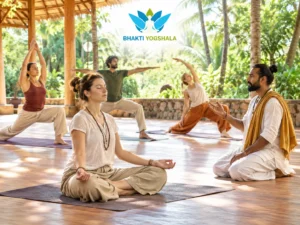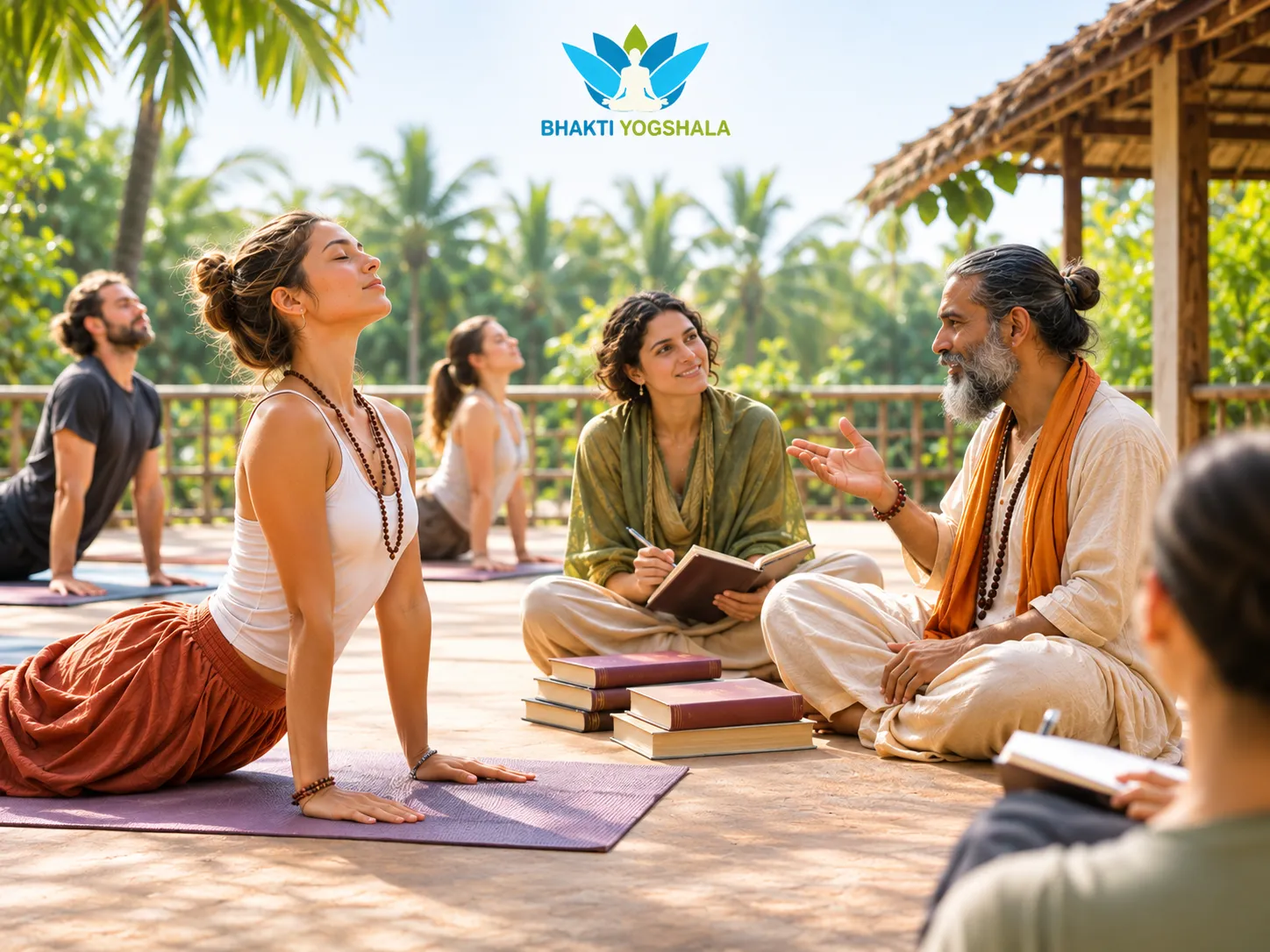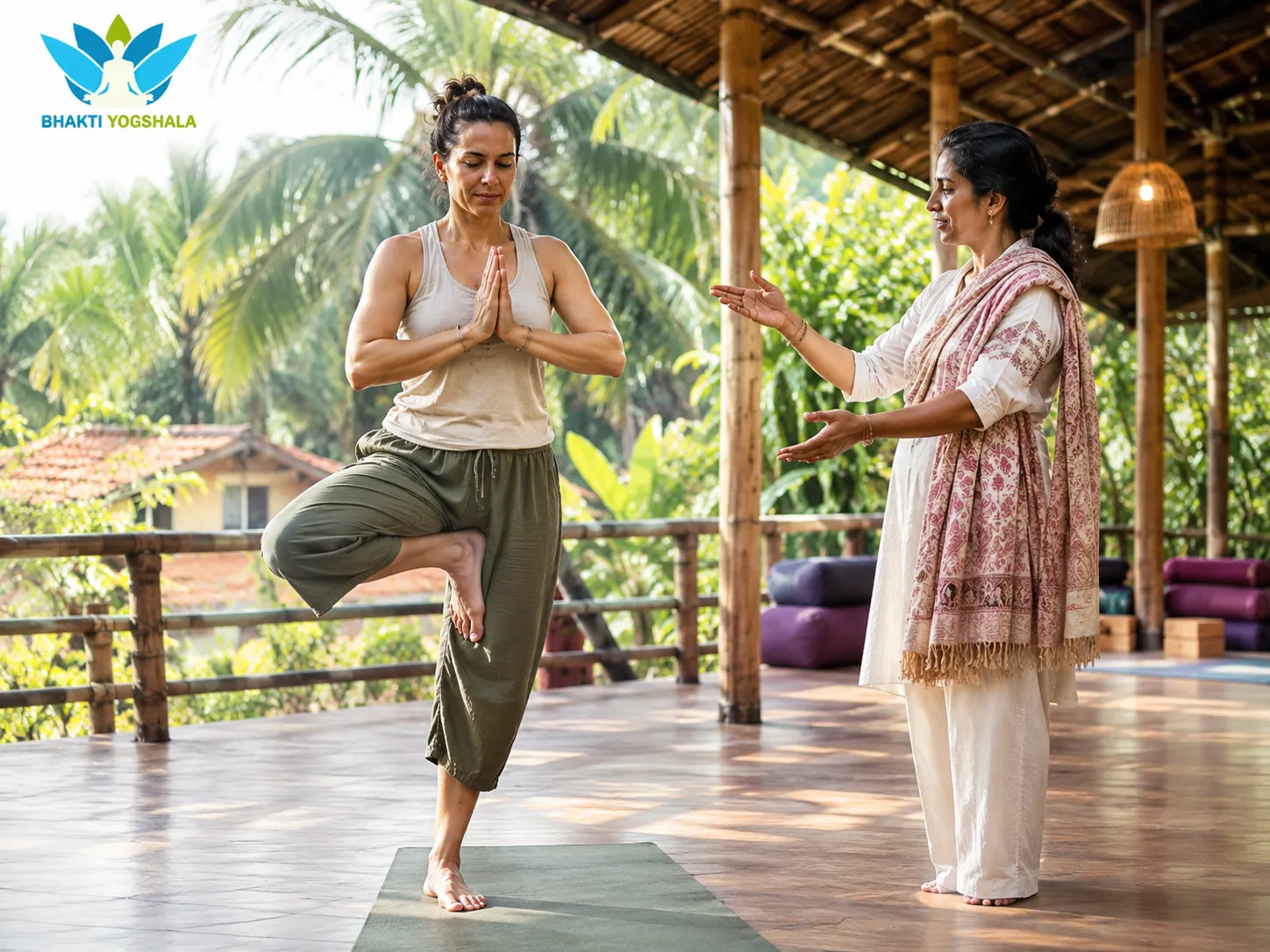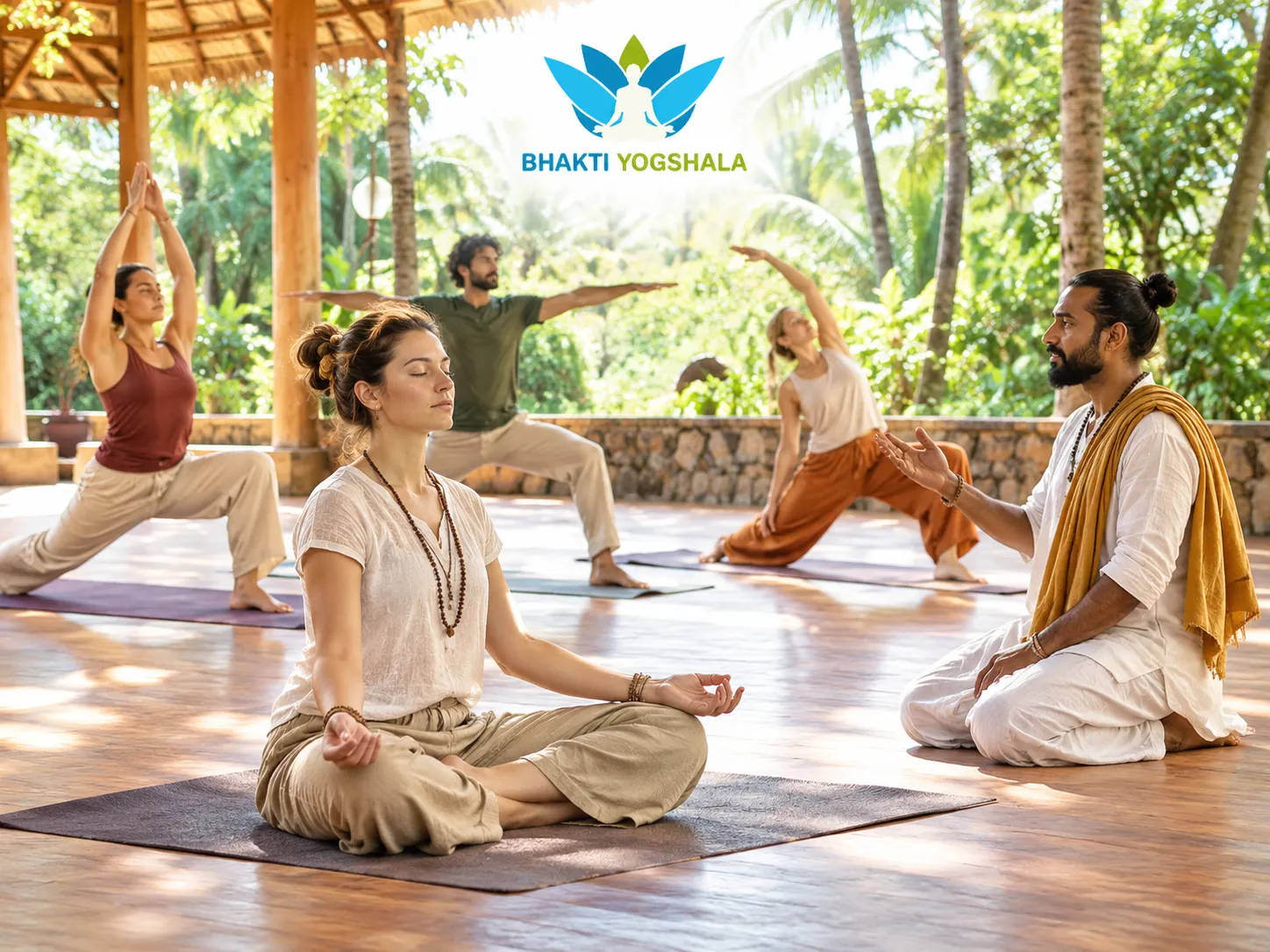
A yoga class may guide you through physical postures, invite you to notice your breathing and finish with a few minutes of meditation. These activities may look different, but many yoga traditions bring them together as complementary parts of practice.
Movement gives you an opportunity to explore posture and physical sensation. Breathwork directs attention to the breath, while meditation involves working with attention and awareness. Combined, these elements can make a session about more than completing a sequence of poses.
Not every class uses the same balance. Some focus mainly on asana, while others include more pranayama, meditation or philosophical study. The approach depends on the style, teacher and purpose of the class.
What Do Movement, Breathwork and Meditation Mean in Yoga?
Movement: Becoming Aware of the Body
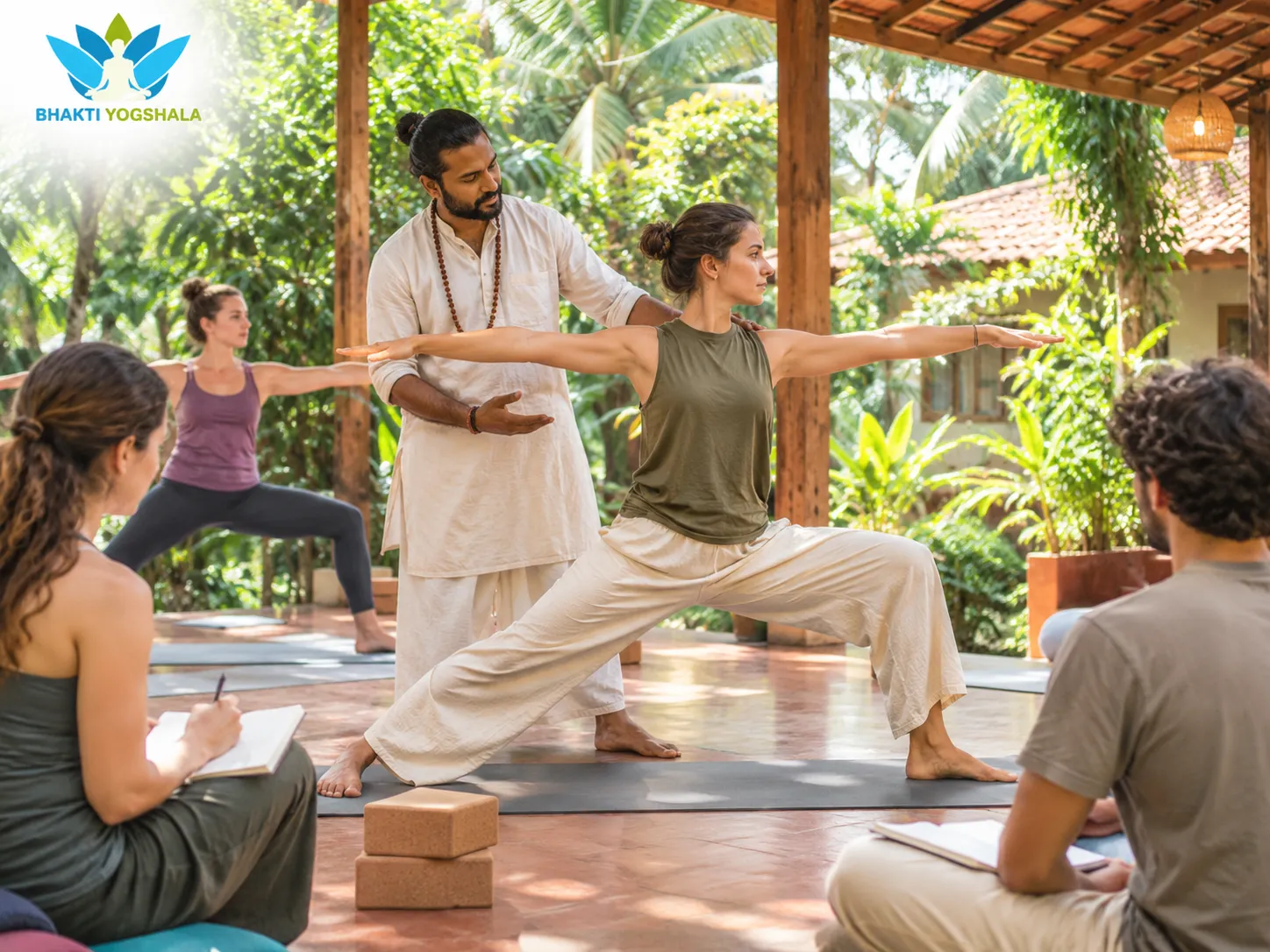
Physical postures, known as asanas, are a familiar part of many contemporary yoga classes. They may involve standing, sitting, balancing, stretching or holding a position with attention to alignment and comfort.
Movement also gives you something specific to notice: how your weight shifts, where you feel tension, or how your shoulders and spine respond to a posture. The aim is not to force your body into a shape, but to practise within your current ability and make suitable adjustments.
Breathwork: Paying Attention to the Breath
Yogic breathing practices are commonly called pranayama. Some involve observing the natural breath; others use a particular breathing pattern taught with appropriate guidance.
Breath awareness can also be part of movement. Instead of rushing between postures, you can notice whether your breathing remains comfortable and whether you can move with control. Different techniques have different instructions, so beginners should learn unfamiliar practices from a qualified instructor rather than forcing a breathing count.
Meditation: Training Attention
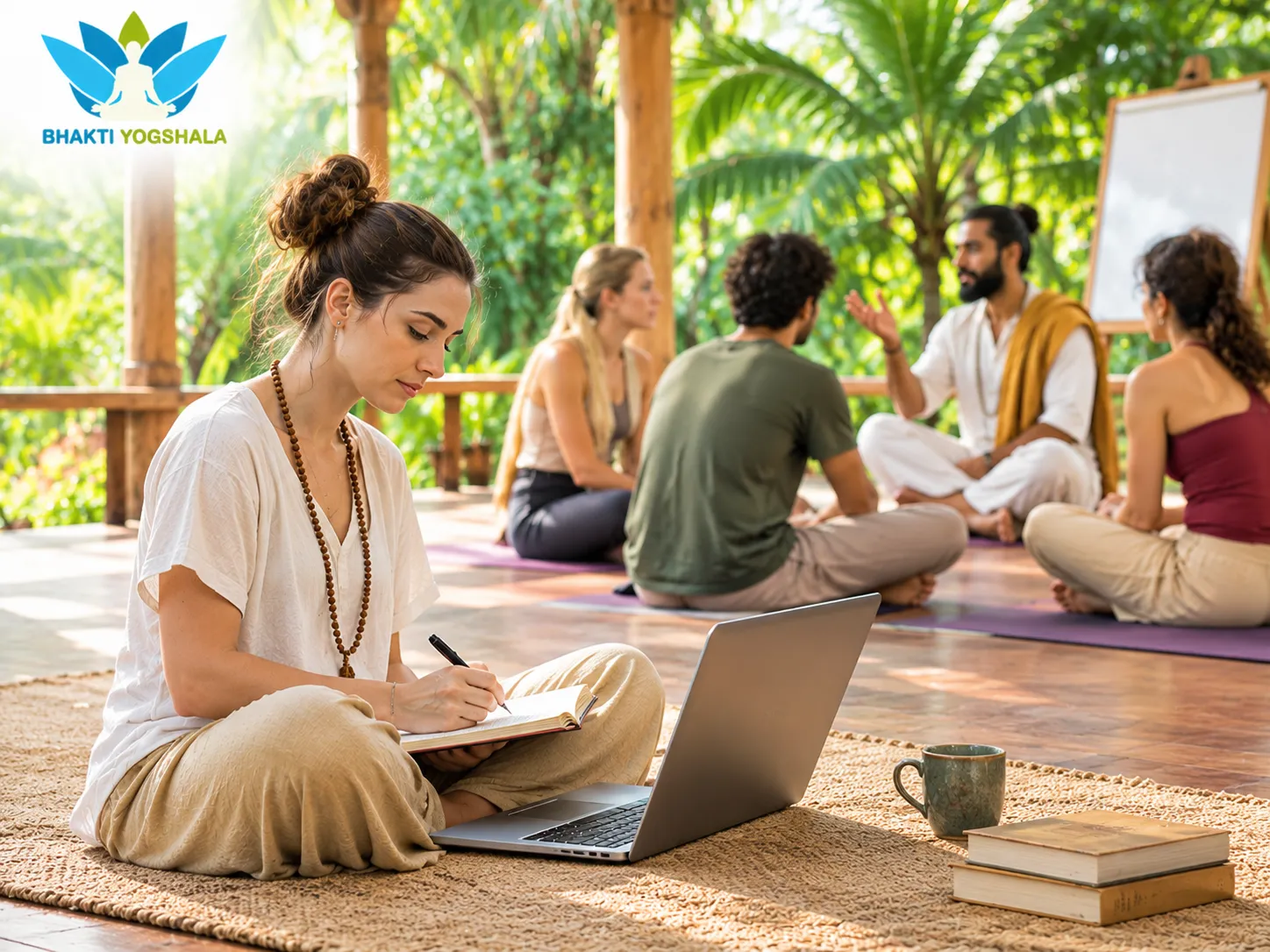
Meditation offers a way to observe thoughts, sensations and attention. A practice might involve sitting quietly, following the breath, noticing bodily sensations or listening to a guided meditation. The goal is not necessarily to stop thoughts; it can be to notice when attention wanders and gently return to the chosen focus.
Meditation may be included at the start or end of a yoga class, or taught separately. Its method and purpose vary across yoga traditions.
Why Are Movement, Breathwork and Meditation Combined?
Each element offers a different point of focus. Movement brings attention to physical action, breath awareness gives you something to notice as you move, and meditation allows you to practise attention without continuous movement.
For example, in a simple standing posture, you might notice the position of your feet, the movement of your rib cage as you breathe and the moments when your mind wanders. The posture becomes an opportunity to observe more than alignment alone.
This is one reason yoga is often described as a mind-body practice. However, the balance between movement, breathing and meditation differs across traditions and classes. Combining these elements does not guarantee a particular health outcome; research findings depend on the specific practices and people studied.
How Do Breath and Movement Work Together?
Some styles coordinate movement with breathing. A teacher may guide students to inhale during one part of a sequence and exhale during another. Vinyasa commonly links postures in this way, while other classes may hold poses for longer and use the time to notice breathing and alignment.
Coordinating breath and movement can create a rhythm and draw attention to transitions between postures. It should not become a competition or a reason to force your body. If you feel dizzy, short of breath or uncomfortable, stop, return to natural breathing and seek guidance from your instructor before continuing.
What Role Does Meditation Play?
Meditation offers a different kind of attention from movement. At the end of a session, a teacher may invite students to sit or lie comfortably and observe their breath or physical sensations. Some classes use guided relaxation; others use a quieter meditation practice.
Moving from activity to stillness gives students a chance to notice their experience after the physical sequence. Meditation is not identical in every yoga tradition and can also be practised independently of asana and pranayama.
Do All Yoga Styles Combine These Elements?
No. Yoga styles differ in pace, sequencing and emphasis. These descriptions are general; individual teachers may structure their classes differently.
Hatha Yoga
Many contemporary Hatha classes focus on individual postures, alignment and breathing. The pace and amount of meditation vary by teacher.
Vinyasa Yoga
Vinyasa commonly links movement with breath in a flowing sequence. The order and pace can vary considerably between classes.
Ashtanga Vinyasa
Ashtanga Vinyasa follows a structured sequence and places emphasis on coordinating movement and breath. Students generally learn progressively with instruction appropriate to their level.
Meditation-Focused Practices
Some sessions place less emphasis on physical postures and more on breathing, stillness or attention. A class title alone may not tell you how much time is devoted to each element, so check the teacher’s description if you have a preference.
How Can Beginners Explore This Approach?
You do not need advanced postures or complex breathing techniques to begin. Choose a guided class that matches your experience, follow the teacher’s cues, notice your natural breathing and take breaks when needed.
If the class includes meditation, approach it as an opportunity to observe attention rather than as a test of whether you can stop all thoughts. As you become more familiar with practice, ask your instructor how breathing instructions relate to particular movements and why a class includes a specific meditation or relaxation exercise.
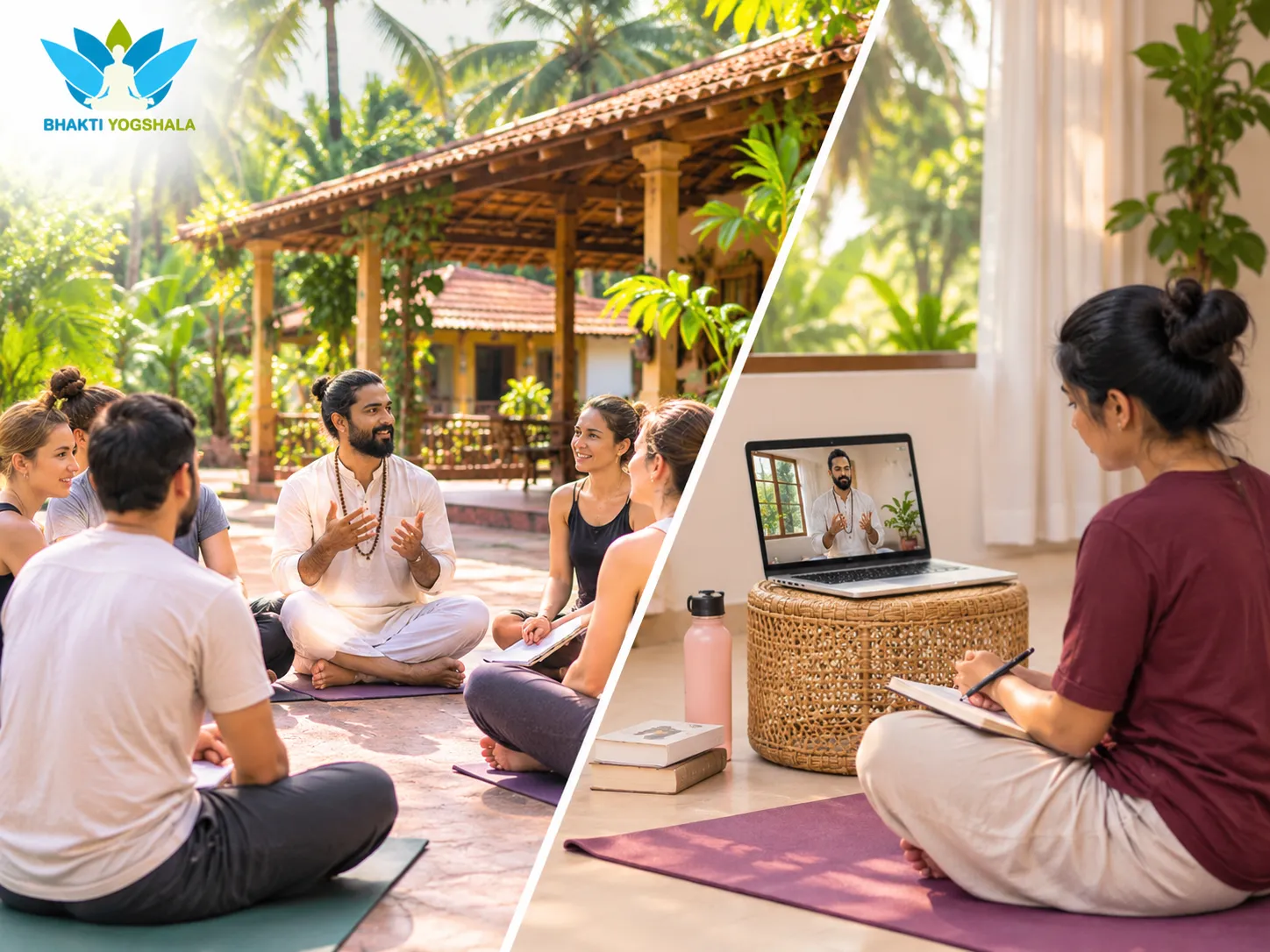
If you are considering formal training, read the actual curriculum. Look for clear information about asana, pranayama, meditation, philosophy and teaching methodology rather than assuming every programme covers these areas in the same way.
Bhakti Yogshala publishes information about its yoga teacher-training programmes and curriculum. Review the current course details and contact the school to confirm the syllabus, schedule and admission information before enrolling.
When Should You Adapt Your Practice?
Approach yoga according to your experience, physical needs and your teacher’s instructions. Do not force a posture to match someone else’s range of movement, and do not continue a breathing technique if it makes you feel unwell. Avoid experimenting with forceful breathing or prolonged breath retention without suitable instruction.
If you have an injury, health concern or other circumstance that may affect your practice, seek appropriate professional guidance and tell your instructor about relevant limitations. Some postures and breathing techniques may need modification or may not be suitable for everyone.
A class that combines movement, breathwork and meditation should allow you to learn gradually. The aim is to understand the practice, not to perform every element at the highest intensity.
Explore Yoga Beyond the Postures
Movement, breathing and meditation offer different ways to engage with yoga. Some classes combine them in one session; others concentrate on one element or teach them separately. Understanding the purpose of each can help you follow a class with greater awareness and ask more informed questions about what you are learning.
If you would like to explore these subjects in a structured setting, visit Bhakti Yogshala’s website and review the published details of its yoga teacher-training programmes.
Frequently Asked Questions
Why do yoga practices combine movement, breathwork and meditation?
Many practices use movement to explore posture, breath awareness to focus attention and meditation to practise sustained awareness. The balance depends on the style and teacher.
Is breathwork necessary during yoga?
Breathing is part of many yoga practices, but instructions vary. Some classes coordinate breath with movement, while others teach breathing separately. Follow your instructor’s guidance and do not force your breath.
What is the difference between pranayama and meditation?
Pranayama refers to yogic breathing practices. Meditation generally involves directing and observing attention, such as by focusing on the breath or physical sensations. They can be practised together, but they are not the same activity.
Do all yoga styles include meditation?
No. Some classes include meditation or relaxation, while others focus mainly on postures and breathing. Check the class description to understand what is included.
Is Vinyasa Yoga based on movement and breathing?
Vinyasa commonly links movement with breathing through a flowing sequence of postures. The pace and sequence vary by class and instructor.
Can beginners practise yoga that combine movement, breathwork and meditation?
Many beginners can start with an appropriately guided class. Choose instruction that matches your experience, work within your comfort level and ask for modifications when needed.
Can I practise breathwork and meditation without doing yoga postures?
Yes. Breathing exercises and meditation can be practised separately from physical postures. Learn unfamiliar or demanding breathing techniques from an appropriately qualified instructor.
Does combining movement, breathingand meditation guarantee stress relief?
No. People respond differently, and research findings depend on the techniques studied and the population involved. Yoga may support well-being for some people, but it is not a guaranteed treatment or a replacement for appropriate healthcare.