An intensive yoga teacher training programme requires more preparation than packing a yoga mat and booking a place to stay. Students spend much of the day practising, studying, learning yoga philosophy and understanding teaching methods. Getting familiar with this routine before travelling can make the transition easier.
If you are planning to join a 200 hour yoga teacher training in Goa, start by understanding the course schedule, building a manageable practice routine and organising your travel essentials.
At Bhakti Yogshala, the published 200-hour programme in Agonda, Goa includes Hatha, Ashtanga Vinyasa, Vinyasa Flow and Yin Yoga, along with pranayama, meditation, anatomy, philosophy and teaching methodology.
Here is how to prepare before arriving for your training.
Understand What an Intensive Yoga Teacher Training Involves
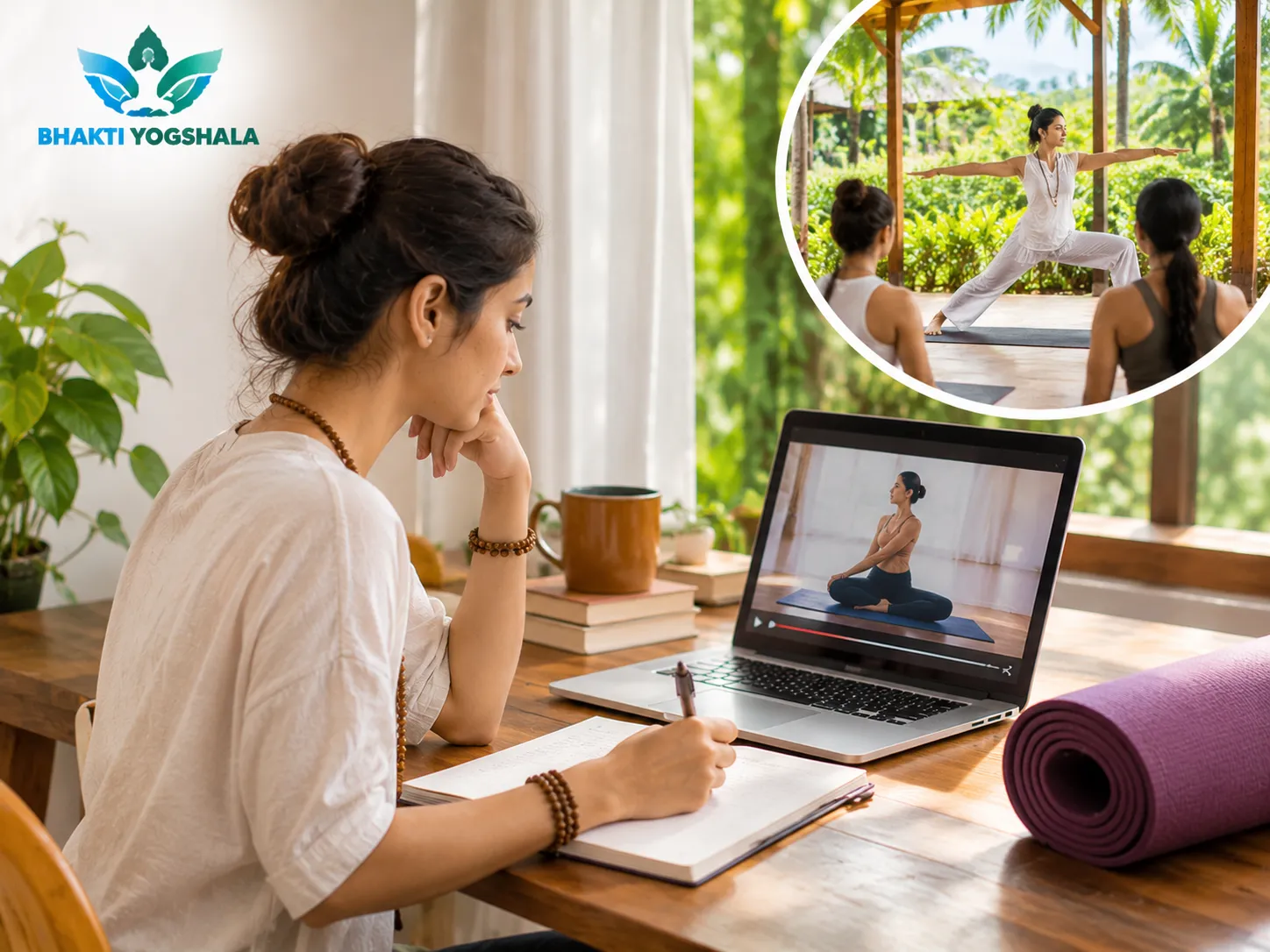
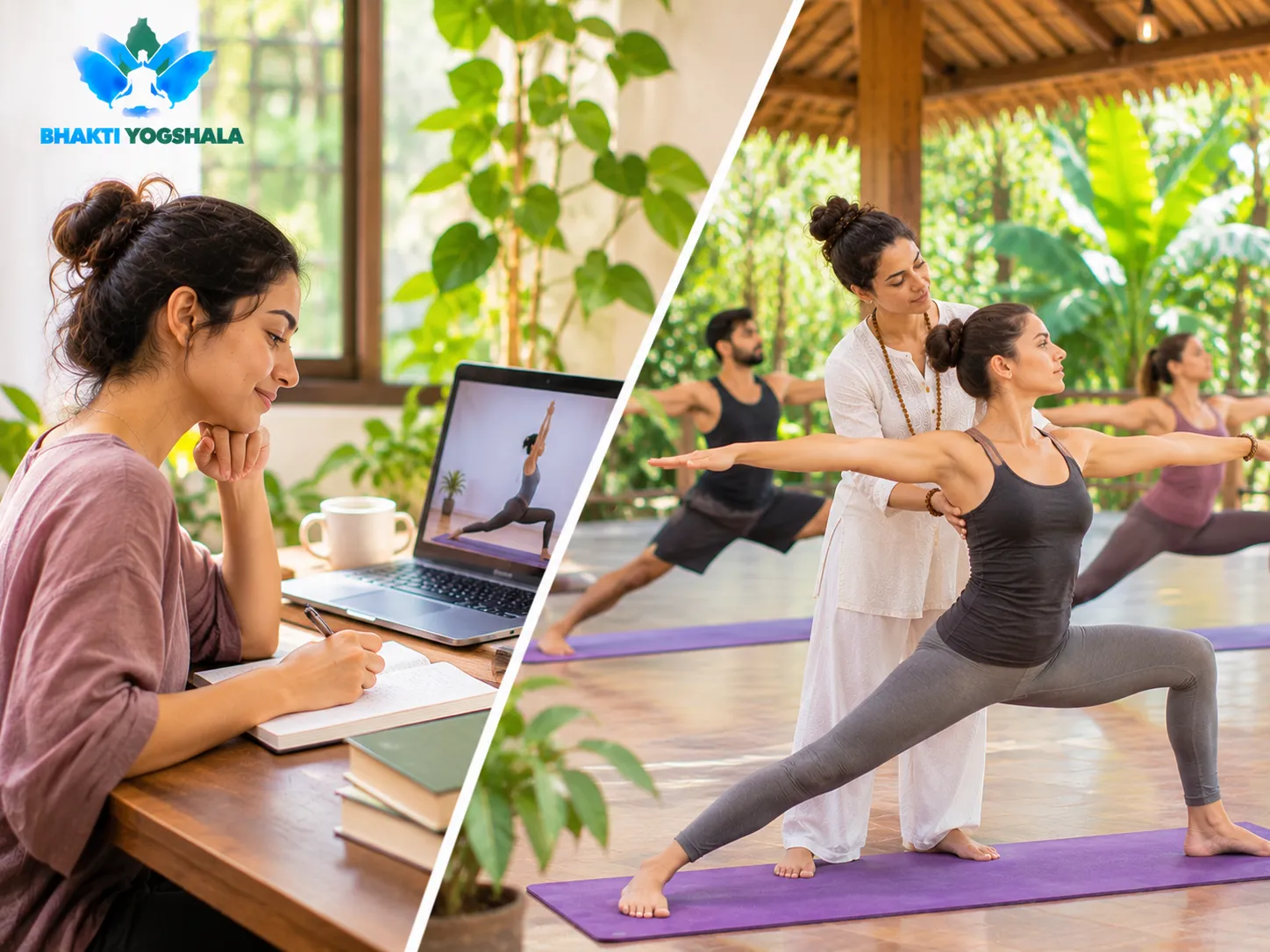
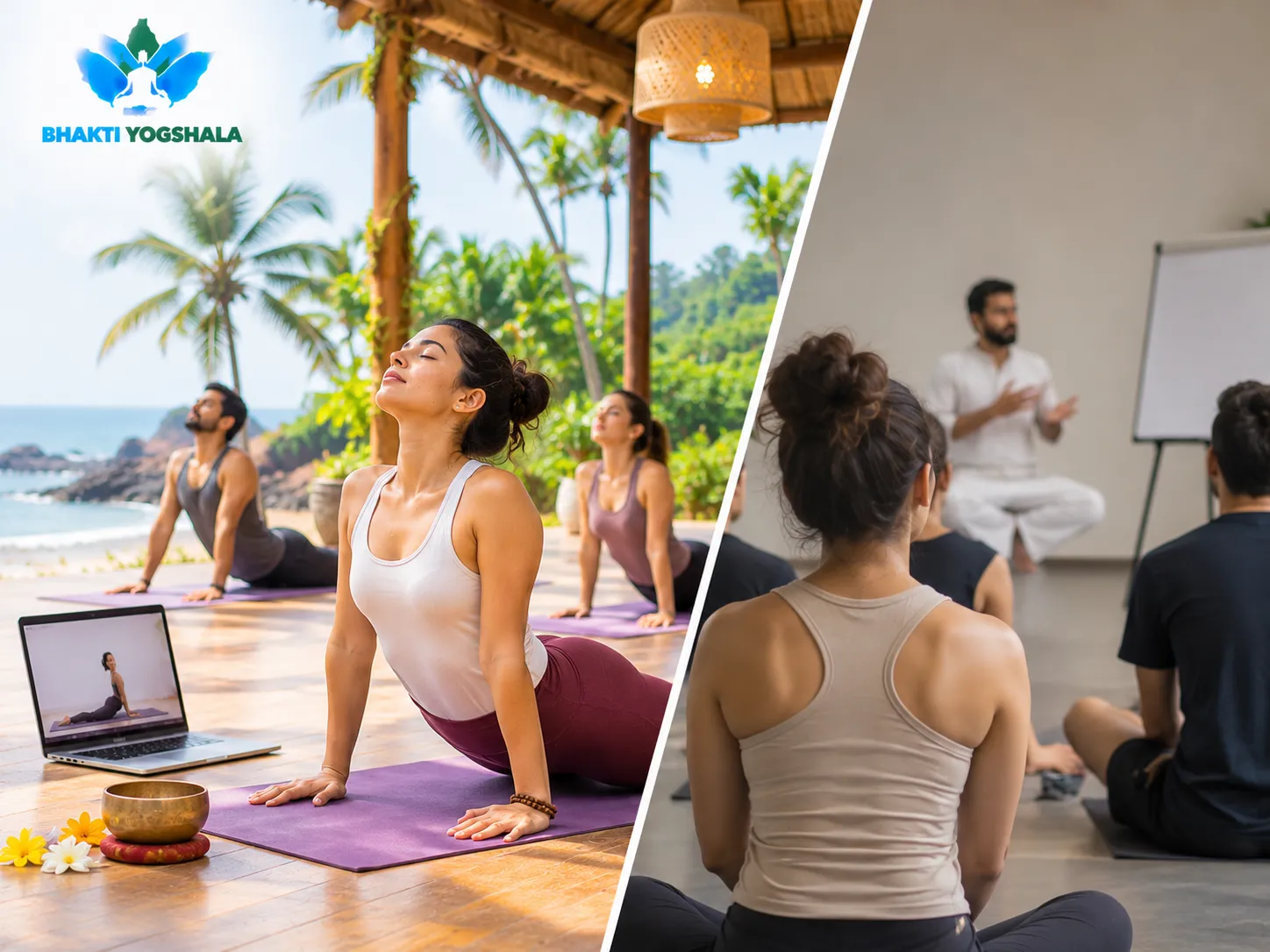
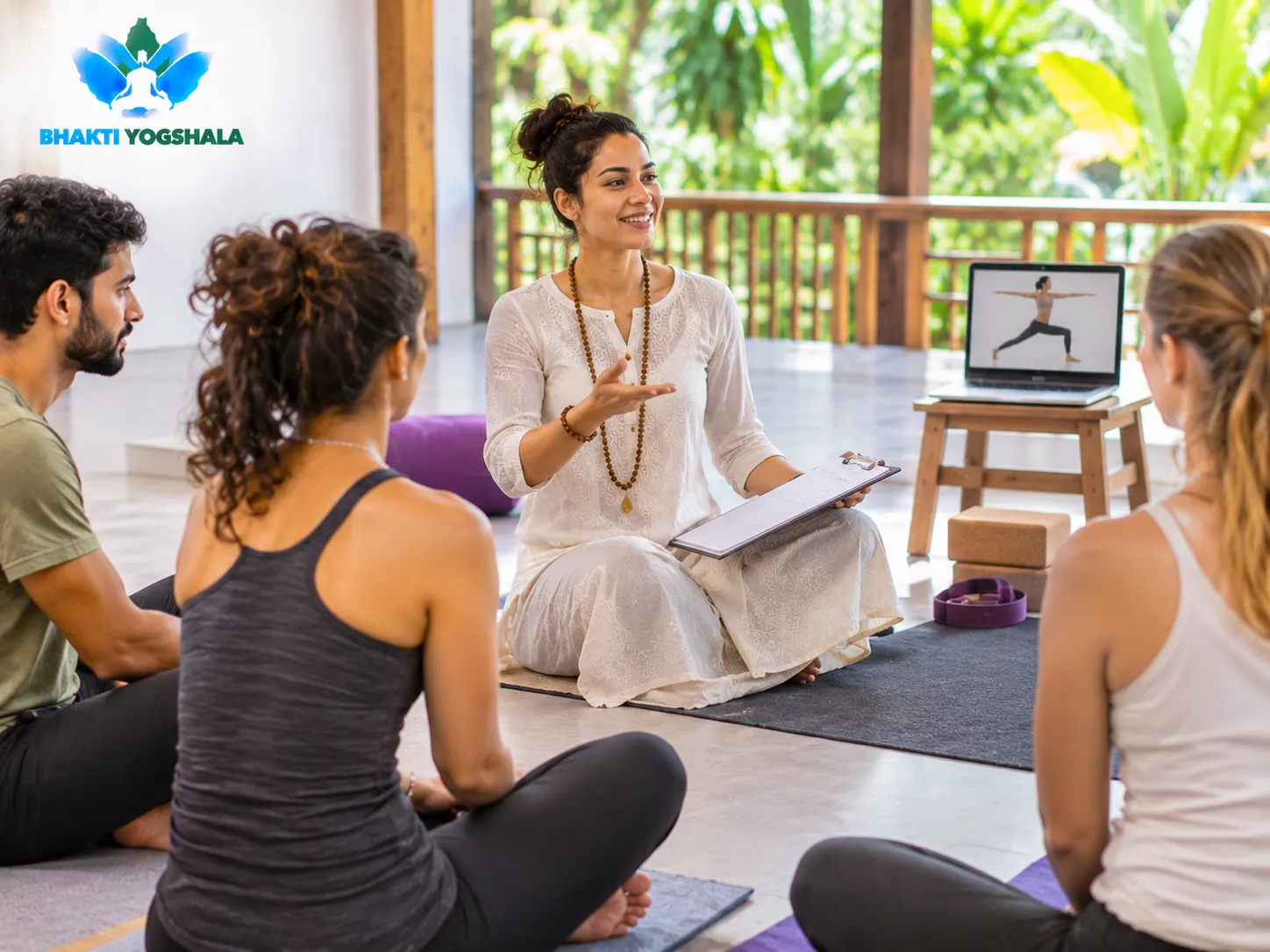
Yoga teacher training is different from attending a regular yoga class. A residential programme combines physical practice with theoretical study and practical teaching sessions.
For example, Bhakti Yogshala’s published 200-hour course schedule includes:
- Morning self-practice, pranayama and meditation
- Hatha, Vinyasa, Ashtanga and Yin Yoga sessions
- Yoga philosophy and theory
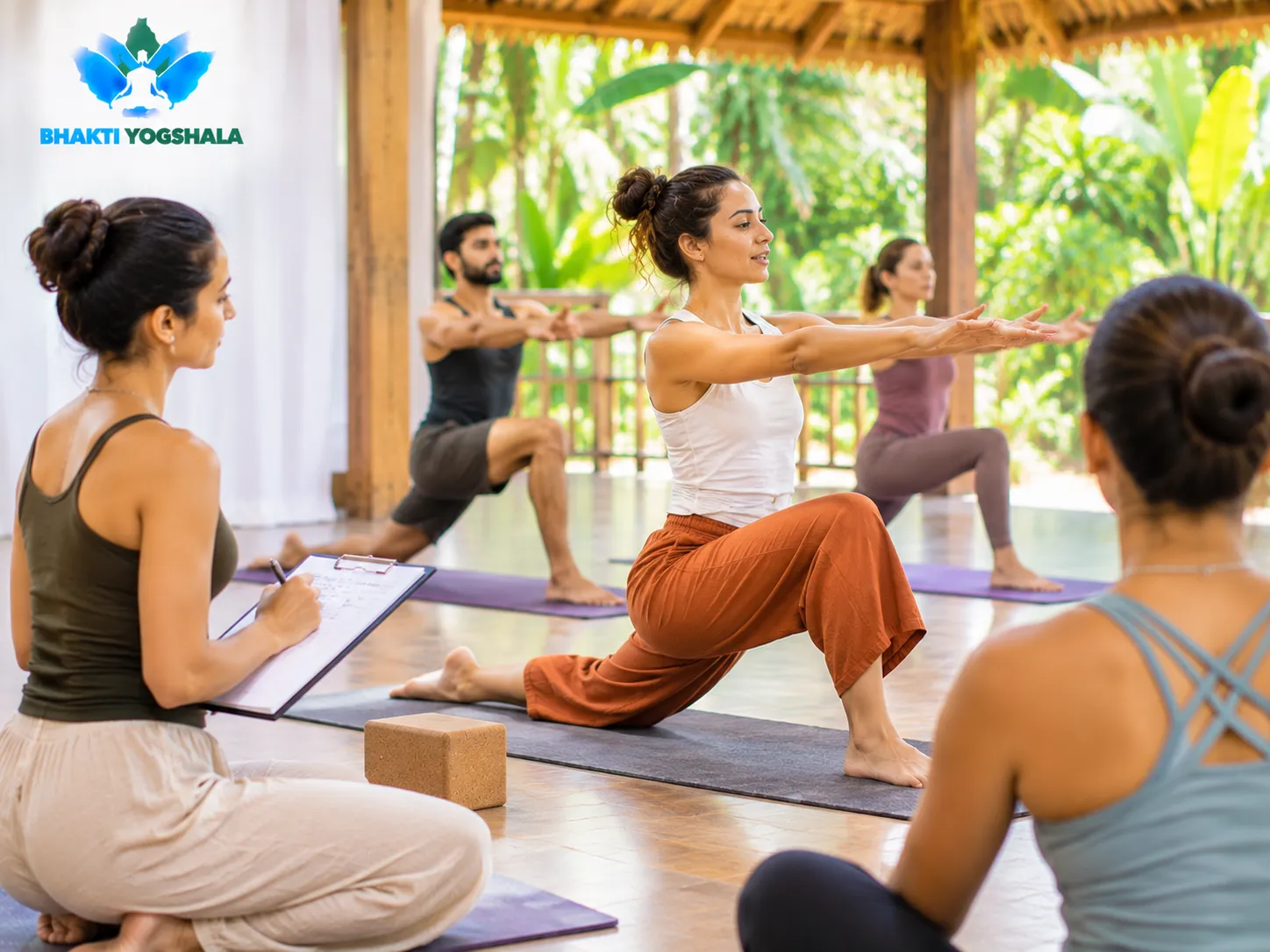
- Asana clinic, adjustment and practicum
- Anatomy and additional theory
- Evening meditation, kirtan or group discussion
The published timetable begins at 6:30 AM and continues into the evening. Students should therefore prepare for a structured day rather than expect several hours of free time between classes.
Before enrolling, read the complete curriculum and timetable. Knowing what the programme involves will help you organise your sleep, personal responsibilities and study time.
Build a Consistent Yoga Practice Before Arriving
You do not need to master advanced postures before starting a foundational teacher training course. However, becoming familiar with regular practice can help you adjust to the course routine.
If you have time before travelling, focus on consistency rather than increasing the difficulty of your sessions.
Familiarise Yourself With Basic Asanas
Practise familiar postures such as standing poses, seated postures, forward bends, gentle twists and simple balancing poses.
Pay attention to the instructions given by your yoga teacher. Notice how you enter and leave a posture, how you distribute your weight and how you respond to different movements.
You do not need to perform every posture perfectly. The purpose of preparation is to become comfortable with regular practice and basic yoga terminology.
Develop Breath Awareness
Pranayama is an important part of yoga education. You can become familiar with observing your natural breathing during simple practice sessions.
Avoid trying advanced breathing techniques without proper instruction. Your training programme will introduce the practices included in its curriculum.
Make Time for Meditation
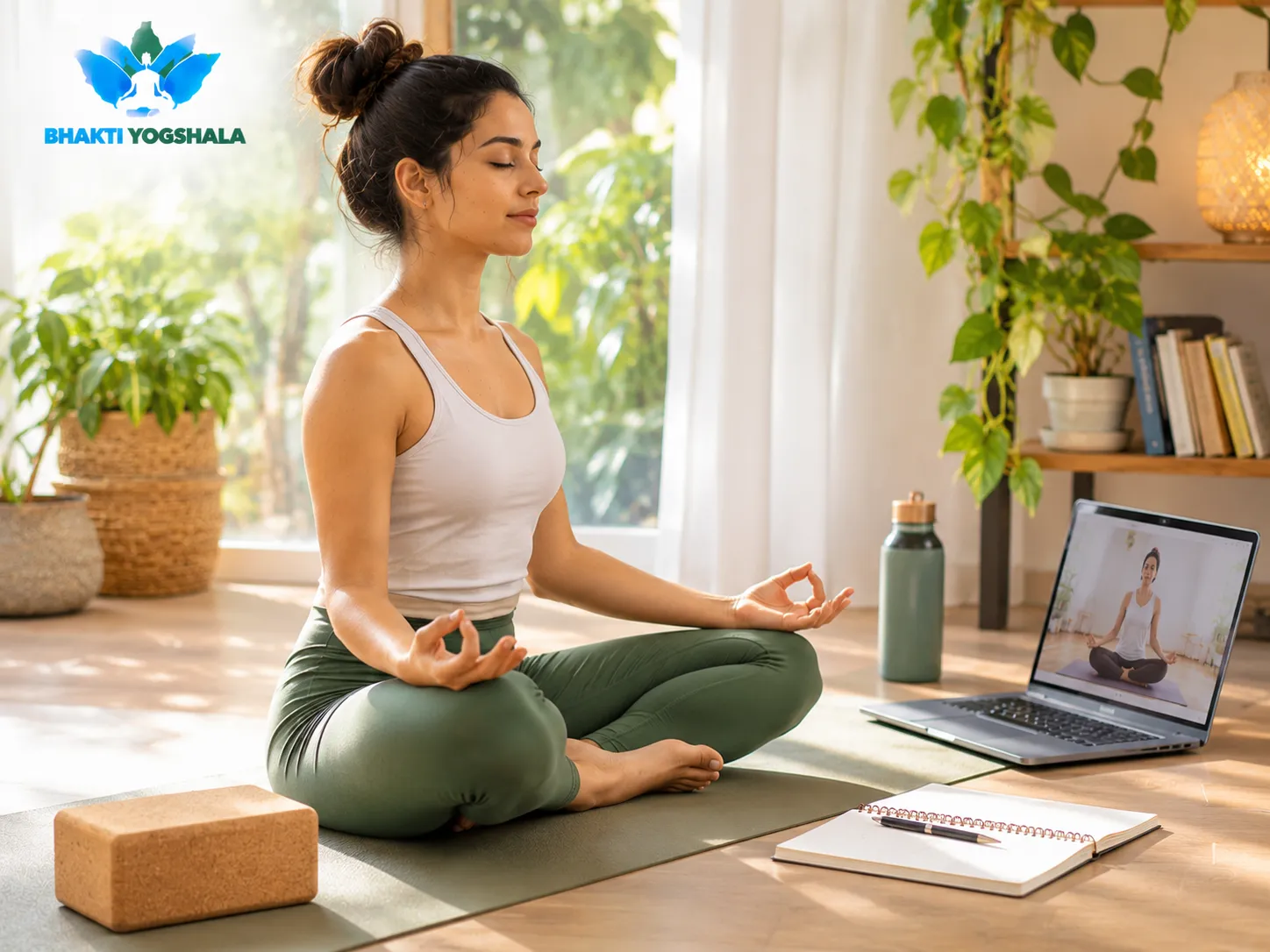
If meditation is new to you, begin with a short, manageable session.
You can sit comfortably, observe your breathing and gently bring your attention back when your mind wanders. Regular familiarity with sitting quietly may help you adjust to meditation sessions during training.
Prepare Your Body for a Structured Daily Routine
An intensive yoga teacher training programme may involve several physical sessions in one day. Your preparation should focus on developing a sustainable routine rather than pushing your body to achieve advanced poses quickly.
Consider these practical steps:
- Practise regularly: Follow a manageable routine instead of doing occasional, unusually long sessions.
- Include rest: Allow time for recovery between physical activities.
- Maintain a comfortable sleep schedule: Gradually adjust your bedtime if you are not accustomed to early mornings.
- Stay hydrated: Carry water during your daily activities and follow the school’s instructions.
- Avoid sudden increases in intensity: Do not attempt difficult postures or long practice sessions just before travelling.
- Respect your limits: Stop or modify a movement if it causes pain or discomfort.
If you have an existing injury, health concern or physical limitation, seek appropriate professional advice and discuss your requirements with the school before booking.
You do not need to arrive as an advanced practitioner. You do need to understand that an intensive programme requires regular participation and concentration.
Get Mentally Ready for Residential Yoga Training
Living and studying in a residential training environment can be different from following your usual routine at home.
You may share classes, meals, activities and study time with other students. You will also be introduced to subjects that go beyond physical postures.
Before travelling, consider how you will manage the following:
A structured routine: Morning sessions and scheduled classes may leave less time for personal activities than you are used to.
Learning unfamiliar subjects: Yoga philosophy, anatomy, Sanskrit terminology and teaching methodology may require additional reading and note-taking.
Group learning: You will practise alongside people with different backgrounds and levels of experience.
Time away from regular responsibilities: Arrange work, family and personal commitments before the course begins.
Personal expectations: Be prepared to learn gradually. You are not expected to know everything before entering a teacher training programme.
Having realistic expectations can help you focus on the learning process rather than comparing your progress with other students.
Understand the Course Curriculum Before Joining
Before selecting a yoga teacher training programme in Goa, read the syllabus carefully. A course should explain the subjects included and the practical learning students can expect.
Bhakti Yogshala’s published 200-hour curriculum covers several areas.
Asana Practice
The course lists Hatha Yoga, Ashtanga Vinyasa, Vinyasa Flow and Yin Yoga. Its published curriculum also covers different categories of postures, including standing poses, seated poses, forward bends, backbends and twists.
Pranayama
The curriculum lists traditional breathing practices such as Nadi Shodhana, Bhramari, Sheetali and Bhastrika.
Meditation
The programme includes meditation approaches such as Yoga Nidra, breathing meditation and Trataka.
Yoga Philosophy
Students are introduced to the history of yoga, the Yoga Sutras and the eight limbs of yoga.
Anatomy and Theory
Anatomy and theory sessions help students study the body and understand how it relates to yoga practice.
Teaching Methodology
The published course information includes observation, demonstrations, classroom management, assisting, alignment and practicum classes.
Review these subjects before arriving so you know what the course covers. You do not need to study the entire syllabus independently, but familiarity with basic terminology can make the classroom experience easier to follow.
What Should You Pack for Yoga Teacher Training in Goa?
Packing for an intensive residential course requires some planning. You will need comfortable clothing for daily practice as well as personal items for your stay.
Use this checklist as a starting point. Confirm the school’s current packing instructions before travelling because items provided by the school may differ between programmes.
Yoga Practice Essentials
- Comfortable yoga clothing
- Breathable clothes suitable for regular practice
- A refillable water bottle
- A notebook and pens
- A yoga mat, if the school requires or recommends one
Personal Essentials
- Toiletries and personal hygiene products
- Prescribed medication, if required
- Personal identification and travel documents
- Suitable footwear
- Sunscreen and personal outdoor essentials
- Any items you regularly need during an extended stay
Study Materials
A notebook can be useful for recording posture instructions, philosophy discussions, anatomy concepts and feedback from teaching practice.
You may also want to keep your course confirmation and enrolment information accessible.
Before packing: Ask Bhakti Yogshala which items are supplied, whether you should bring your own mat and what is included in the accommodation arrangement. Do not assume that every course provides the same equipment.
Organise Your Travel and Accommodation Before Arrival
If you are travelling to Agonda for residential yoga teacher training, organise the practical details before your departure.
Start by confirming the exact course dates, arrival time and address with the school. Do not rely only on an old course schedule or an earlier booking message.
Check the following:
- Your confirmed course start and end dates
- The exact training and accommodation address
- Your expected arrival time
- Accommodation check-in arrangements
- Meal arrangements and dietary requirements
- What is included in the course fee
- Any additional costs
- Local transport arrangements
- The school’s contact details
International students should also check the latest official Indian entry and visa requirements that apply to their nationality and travel purpose. Use official government information rather than relying on outdated travel advice from blogs.
If you are travelling from another part of India, confirm your transport arrangements and allow enough time to reach the training location.
Bhakti Yogshala lists its main yoga studio at Main Agonda Beach Road, Canacona, Agonda, Goa 403702.
Prepare for the Daily Schedule at Bhakti Yogshala
One of the most useful ways to prepare for a residential course is to understand how your day may be organised.
Bhakti Yogshala’s published 200-hour timetable provides the following outline:
Time | Scheduled activity |
6:30–7:00 AM | Self-practice, warm-up, pranayama and meditation |
7:00–8:30 AM | First asana class |
8:30–10:15 AM | Breakfast and leisure |
10:15–11:15 AM | Philosophy, theory or Ayurveda |
11:30 AM–1:15 PM | Asana clinic, adjustment and practicum |
1:30–3:20 PM | Lunch and rest |
3:20–4:20 PM | Anatomy and theory |
4:30–6:00 PM | Second asana class |
6:00–6:30 PM | Refreshment and tea |
6:30–7:30 PM | Meditation, kirtan or group discussion |
7:30 PM onwards | Dinner, study or free time |
This is the timetable published on the course page. Confirm the schedule for your selected intake before making travel arrangements, as timings and activities may change.
To prepare, start getting accustomed to earlier mornings and organise your personal routine around regular practice, meals, rest and study.
Questions to Ask Before Enrolling
A course page provides an overview, but you should confirm practical details directly with the school before making a payment.
Ask these questions:
About the programme
- What is the current course start and end date?
- Is the published daily timetable applicable to my selected intake?
- What subjects are included in the curriculum?
- How much teaching practice is included?
About eligibility
- Can students with limited previous yoga experience join?
- Are there any specific prerequisites?
- Should I follow a preparation routine before arrival?
About accommodation and meals
- What accommodation options are currently available?
- Which meals are included?
- Can dietary requirements be discussed before enrolment?
- What facilities and equipment are provided?
About payment
- What is the current total course fee?
- What does the fee include?
- Are there additional charges?
- What is the cancellation and refund policy?
About certification
- What certificate will students receive?
- What is the school’s current registration or accreditation status?
- Are there any additional registration requirements or fees?
Getting clear answers before paying helps you compare programmes based on their actual arrangements rather than assumptions.
Your Pre-Arrival Checklist for Yoga Teacher Training in Goa
Use this checklist during the weeks before your course begins.
- Confirm the course dates and enrolment.
- Read the complete curriculum.
- Review the latest daily timetable.
- Build a manageable yoga practice routine.
- Become familiar with basic asana terminology.
- Make time for rest and regular sleep.
- Arrange work and personal responsibilities.
- Confirm the training and accommodation address.
- Check transport and arrival arrangements.
- Review the school’s packing instructions.
- Organise travel documents and any required entry permission.
- Confirm accommodation and meal inclusions.
- Check the total course fee and payment terms.
- Save the school’s contact information.
Preparing these details in advance gives you more time to focus on the actual training once you arrive.
Prepare for Your 200-Hour Yoga Teacher Training at Bhakti Yogshala
Bhakti Yogshala offers a multi-style 200-hour yoga teacher training programme in Agonda, Goa. Its published curriculum includes Hatha, Ashtanga Vinyasa, Vinyasa Flow, Yin Yoga, pranayama, meditation, yoga philosophy, anatomy and teaching methodology.
The programme is designed for people who want to deepen their personal practice or pursue yoga teaching. Its published daily timetable combines physical practice, theory, practicum and evening activities.
If you are considering joining, review the course details and speak with the school about your experience, current dates, fees, accommodation and preparation requirements.
Bhakti Yogshala
Main Agonda Beach Road, Canacona, Agonda, Goa 403702
Phone/WhatsApp: +91 9897355995
Email: bhaktiyogshala@gmail.com
Explore the 200-hour yoga teacher training in Goa or contact Bhakti Yogshala to confirm the details of your selected programme.
Frequently Asked Questions
1. How should I prepare for an intensive yoga teacher training programme in Goa?
Start by building a manageable yoga routine, becoming familiar with basic postures, organising your travel documents and reviewing the course timetable. Confirm the school’s packing instructions, accommodation and course inclusions before departure.
2. Do I need to practise yoga every day before joining a 200-hour course?
You do not necessarily need an advanced daily practice. However, becoming familiar with regular, manageable sessions can help you adjust to a structured training routine. Ask the school whether it recommends any specific preparation.
3. How physically demanding is a 200-hour yoga teacher training?
The intensity depends on the curriculum and daily schedule. Bhakti Yogshala’s published timetable includes morning self-practice, two asana sessions, an asana clinic and practicum, theory and evening activities. Review the current schedule to understand the commitment.
4. What should I pack for yoga teacher training in Goa?
Useful items include comfortable yoga clothing, a refillable water bottle, a notebook, personal toiletries, identification and any required medication. Confirm whether the school supplies yoga mats, props and other equipment before packing.
5. Should I study yoga philosophy before joining teacher training?
You do not need to complete formal study beforehand. However, becoming familiar with basic yoga terminology and introductory concepts may help you follow theory classes. Your course will cover the subjects included in its curriculum.
6. What is the daily routine during Bhakti Yogshala’s 200-hour yoga teacher training?
The published schedule starts at 6:30 AM with self-practice and continues with asana, philosophy, practicum, anatomy, a second asana session and evening meditation or group activities. Confirm the current timetable for your intake.
7. Can beginners join Bhakti Yogshala’s 200-hour yoga teacher training in Goa?
Bhakti Yogshala states that its 200-hour programme starts from the basics and welcomes people who want to deepen their personal practice or pursue yoga teaching. Contact the school to discuss your previous experience and confirm current eligibility.
8. What should international students arrange before travelling to Goa?
International students should confirm their course booking, travel documents, accommodation, transport and any applicable Indian visa or entry requirements. Check current requirements through official government sources before departure.
9. What should I confirm with the school before paying for yoga teacher training?
Confirm the course dates, current fee, curriculum, daily schedule, accommodation, meals, equipment, certification details, additional charges and cancellation policy. Request written confirmation of important arrangements.