A yoga teacher training course involves more than attending scheduled classes and completing a syllabus. Students need opportunities to ask questions, understand unfamiliar concepts, receive guidance during practice and work on areas they find difficult.
That is why personal attention is worth considering when choosing a 200-hour yoga teacher training in Goa. The number of students in a batch is one factor, but it does not tell the whole story. You should also understand how instructors interact with students, explain techniques and provide feedback.
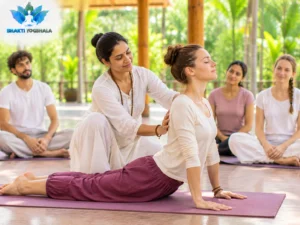
Bhakti Yogshala’s published course information states that classes have a maximum of 15 students. The school describes this group size as a way to provide individual attention. Before enrolling, prospective students can also ask how this support is organised during practical sessions, theory classes and other parts of the programme.
Why personal attention matters during yoga teacher training
Students do not all learn at the same pace. One person may understand an asana demonstration immediately, while another may need the movement explained again. Some students may be comfortable asking questions in a group; others may need time or encouragement to speak.
Individual guidance can help address these differences.
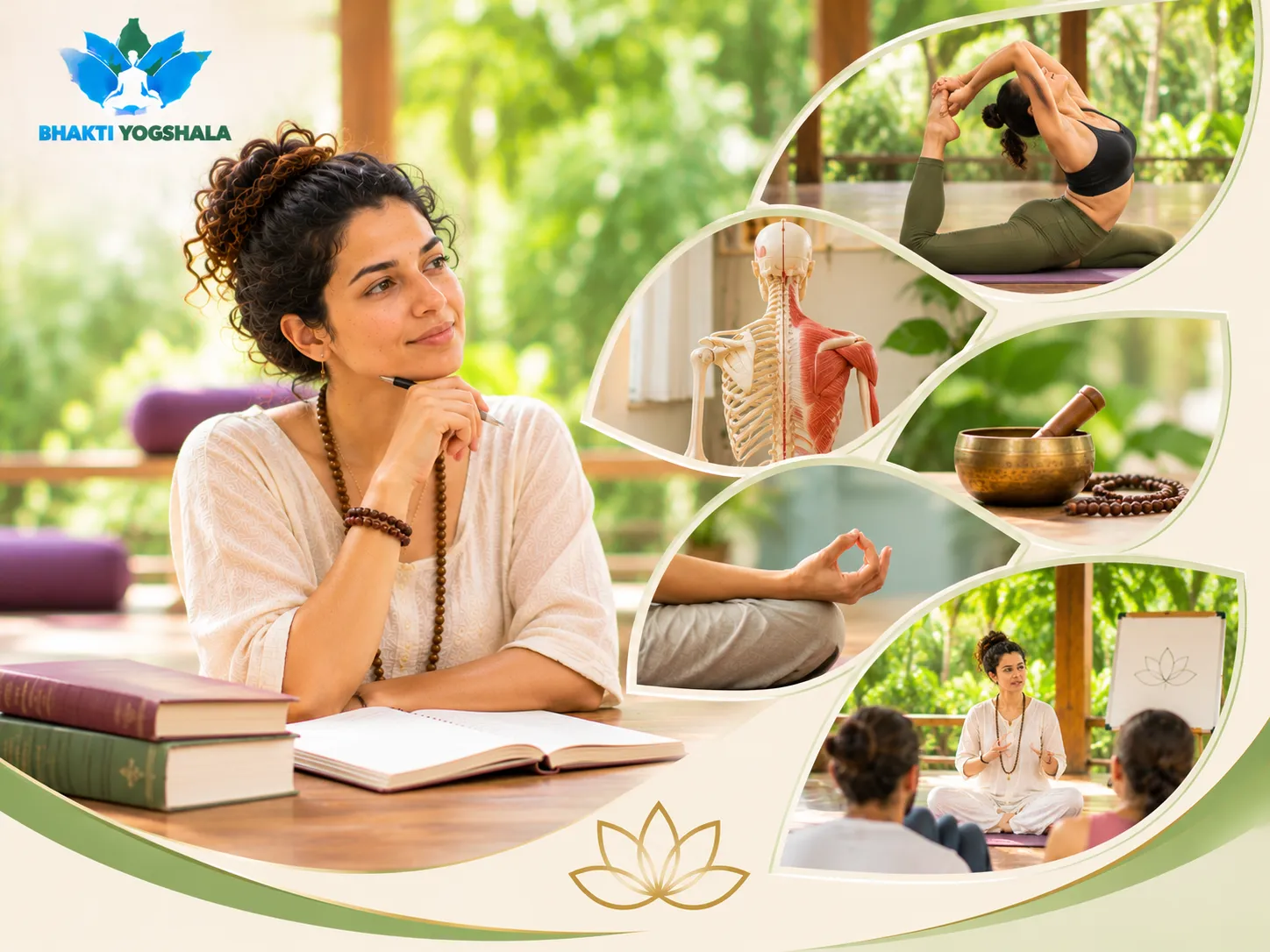
During a 200-hour programme, students study subjects such as asana practice, yoga philosophy, pranayama, meditation, anatomy and teaching methodology. Each subject brings different learning requirements.
For example, a student may understand the theory of a posture but struggle to apply the correct alignment during practice. Another may perform the posture comfortably but need help understanding how to explain it to someone else.
Having access to an instructor for clarification can make these learning moments more useful.
What does individual attention mean in a yoga teacher training course?
The phrase “personal attention” can mean different things at different schools. It is worth understanding what support actually looks like instead of relying on a general promise.
Here are some areas to consider.
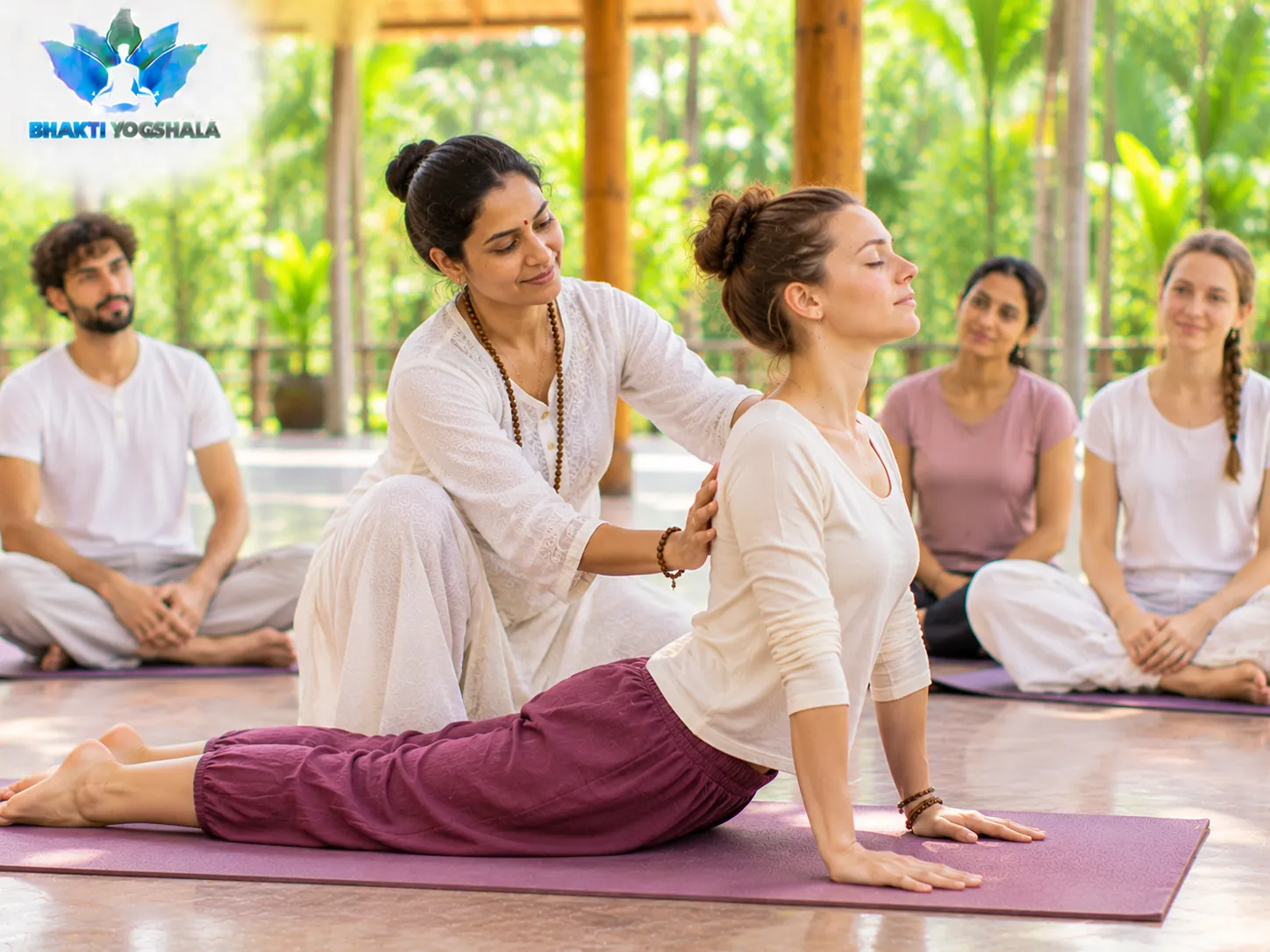
Guidance during asana practice
Students may have different levels of flexibility, strength, balance and previous yoga experience. During asana sessions, guidance can help them understand how to approach a posture according to their current ability.
Ask whether instructors are available to clarify movements, demonstrate techniques again and explain suitable variations when students need them.
Understanding alignment and modifications
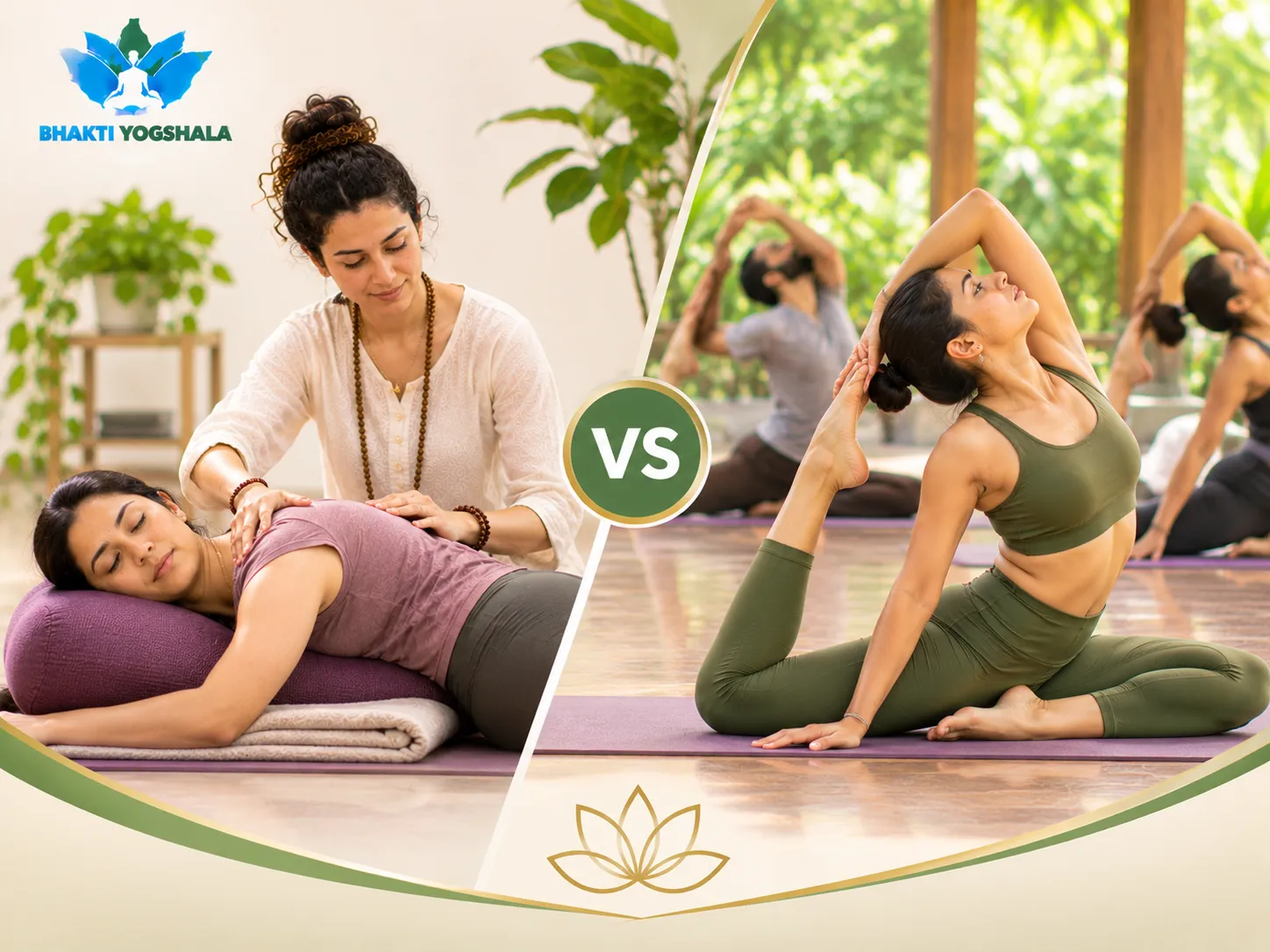
Alignment is an important part of learning yoga. Students need to understand how a posture is approached, which movements require attention and when a modification may be appropriate.
A useful learning environment should allow students to clarify their doubts rather than feel pressured to copy another person’s posture.
Bhakti Yogshala’s published 200-hour curriculum includes correct alignment, potential risks of yoga postures, assisting and adjustment techniques. These subjects are relevant when evaluating the kind of guidance included in the programme.
Opportunities to ask questions
Questions are part of learning. Students may need clarification about Sanskrit terminology, breathing techniques, yoga philosophy, anatomy or the purpose of a particular practice.
Before enrolling, ask whether there are opportunities to raise questions during classes and whether students can approach instructors for clarification outside scheduled sessions.
Feedback during learning
Feedback helps students recognise what they understand and where they need further practice. It may relate to posture, technique, communication or understanding of a subject.
Ask how feedback is provided during the course. For example, is it given during practical sessions, through group discussions or during individual conversations?
Do not assume that every school offers formal one-to-one mentoring unless it is specifically included in the programme.
How does class size affect the learning experience?
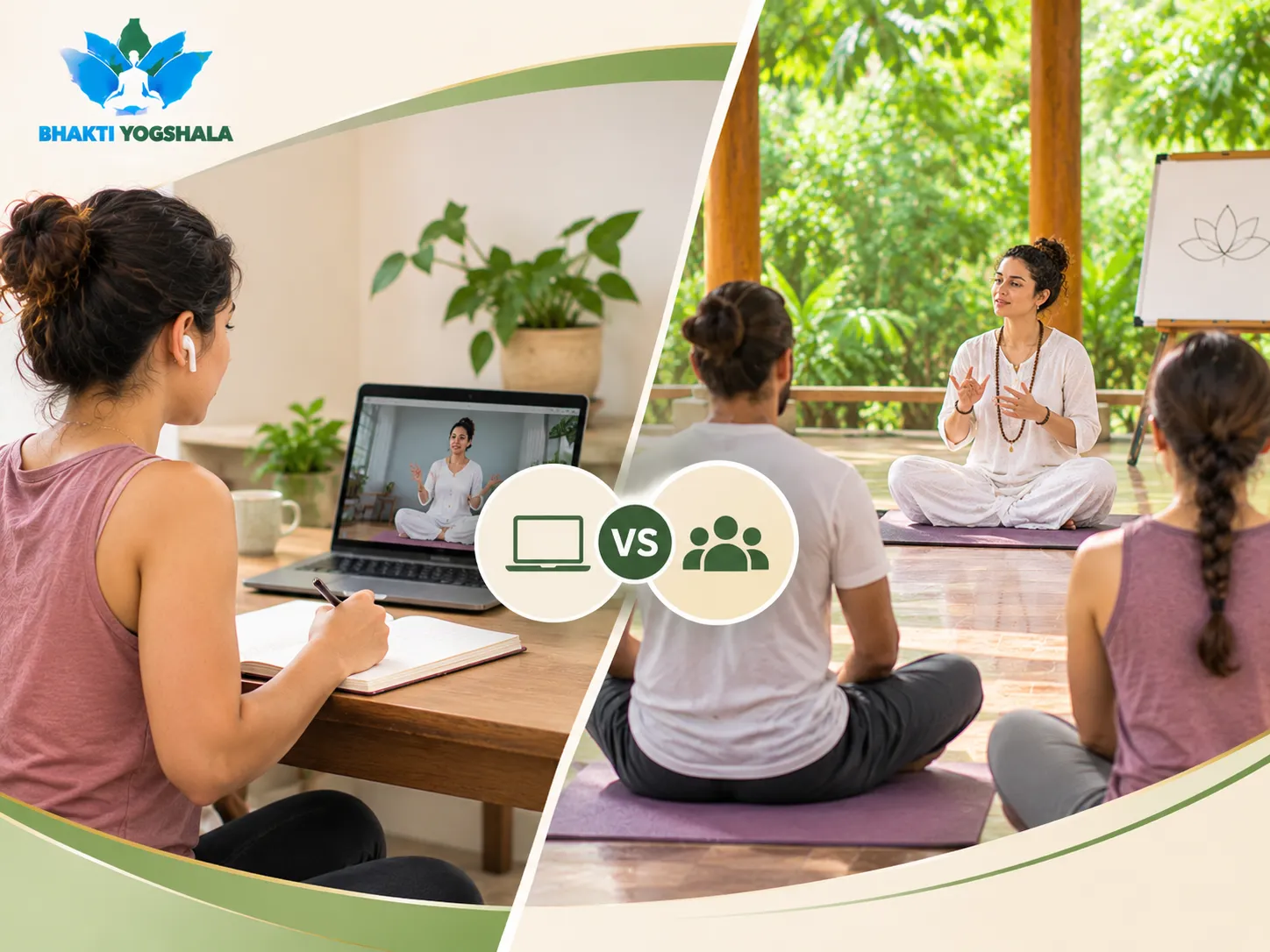
Class size can influence how easily instructors interact with students. In a smaller group, there may be more opportunities for questions and discussion, although the actual experience also depends on teaching methods and the structure of each session.
Bhakti Yogshala states on its website that its classes have a maximum of 15 students. Its FAQ also gives the same maximum and connects it with the school’s aim of providing individual attention.
This gives prospective students a published class-size figure to consider when comparing programmes.
However, ask whether the maximum applies to every subject and session in the upcoming batch. Also check whether the school expects the same number of students in practical and theory classes.
A smaller number alone does not guarantee individual feedback. The important question is how instructors use the available time to support students.
How does Bhakti Yogshala approach individual attention?
Bhakti Yogshala’s published information describes a maximum class size of 15 students for its yoga teacher training classes.
Its 200-hour programme covers several styles and subjects, including:
- Hatha Yoga
- Ashtanga Vinyasa
- Vinyasa Flow
- Yin Yoga
- Pranayama and meditation
- Yoga philosophy
- Anatomy
- Teaching methodology
The course page also includes a daily session listed as an asana clinic, adjustment and practicum, scheduled from 11:30 AM to 1:15 PM.
Its teaching methodology curriculum mentions classroom management, observation, demonstrations, assisting, hands-on adjustment techniques and alignment.
These details provide a starting point for understanding the learning structure. They do not, however, specify how many individual feedback sessions each student receives or whether dedicated one-to-one mentoring is included.
If personal guidance is a major factor in your decision, ask the school to explain how instructors support students during the current batch.
Questions to ask before choosing a 200-hour yoga teacher training
A course description may tell you the number of training hours and subjects covered, but it may not explain how much individual support students receive.
Before paying a deposit, consider asking:
- What is the maximum number of students in each batch?
- Does the same class-size limit apply to practical and theory sessions?
- Can students ask instructors questions outside scheduled classes?
- How are individual difficulties during asana practice addressed?
- Are posture modifications explained for different ability levels?
- Do instructors provide individual feedback during the course?
- Is there a formal mentoring or student-support arrangement?
- Who should students approach if they are struggling with a particular subject?
- Are additional learning materials or revision opportunities available?
- What support is available to international students who need clarification in English?
The answers will help you compare schools on actual learning support rather than marketing descriptions.
Is a small yoga teacher training batch always better?
Not necessarily. A small batch can make interaction easier, but the teaching approach matters just as much.
A larger group may still have well-organised instruction, while a smaller group may not provide the individual support a student expects. Look at the class-size policy alongside the curriculum, instructor availability, practical teaching sessions and feedback arrangements.
You should also consider your own learning preferences. If you prefer asking questions privately, find out whether instructors are accessible outside group discussions. If you learn by demonstration, ask how practical instruction is organised.
The right course is one where the learning structure matches your needs and the school can clearly explain the support it provides.
Explore the 200-hour yoga teacher training in Goa at Bhakti Yogshala
Bhakti Yogshala offers a multi-style 200-hour yoga teacher training programme in Goa. Its published course information states a maximum class size of 15 students and includes practical and theoretical subjects across the curriculum.
If you are comparing yoga schools, review the course details and ask about instructor accessibility, individual feedback and the support available during practical sessions.
You can explore the 200-hour yoga teacher training in Goa or contact the school directly for details about the upcoming batch.
Bhakti Yogshala
Main Agonda Beach Road, Canacona, Agonda, Goa 403702
Phone: +91 9897355995
Email: bhaktiyogshala@gmail.com
Choose a training programme after understanding not only what you will study, but also how you will be supported while learning.
FAQs
1. How many students are there in a Bhakti Yogshala yoga teacher training class?
Bhakti Yogshala’s published FAQ states a maximum of 15 students per class. Confirm the class-size limit for your chosen batch before enrolling.
2. Does a smaller yoga teacher training batch provide more personal attention?
A smaller group can create more opportunities for interaction, but the actual level of attention depends on instructor availability, teaching methods and feedback arrangements.
3. Will yoga instructors help if I struggle with a posture?
Bhakti Yogshala’s course curriculum includes alignment, adjustment techniques and potential risks of yoga postures. Ask the school how instructors provide individual guidance during practical sessions.
4. Can I ask questions during a 200-hour yoga teacher training?
You should clarify the school’s approach to questions before enrolling. Ask whether students can discuss doubts during lessons and approach instructors outside scheduled sessions.
5. Does Bhakti Yogshala provide individual mentoring?
The published website confirms a maximum class size of 15 but does not specify a separate one-to-one mentoring programme. Contact the school to confirm the support available.
6. Is personal attention important for beginners?
It can be useful because beginners may need more explanations of posture names, alignment, breathing techniques and class structure. Students should choose a programme that accommodates their learning needs.
7. What should I check before enrolling in a yoga teacher training course in Goa?
Check the class-size limit, curriculum, teaching methodology, instructor availability, feedback process, daily schedule, accommodation details and total course fee.