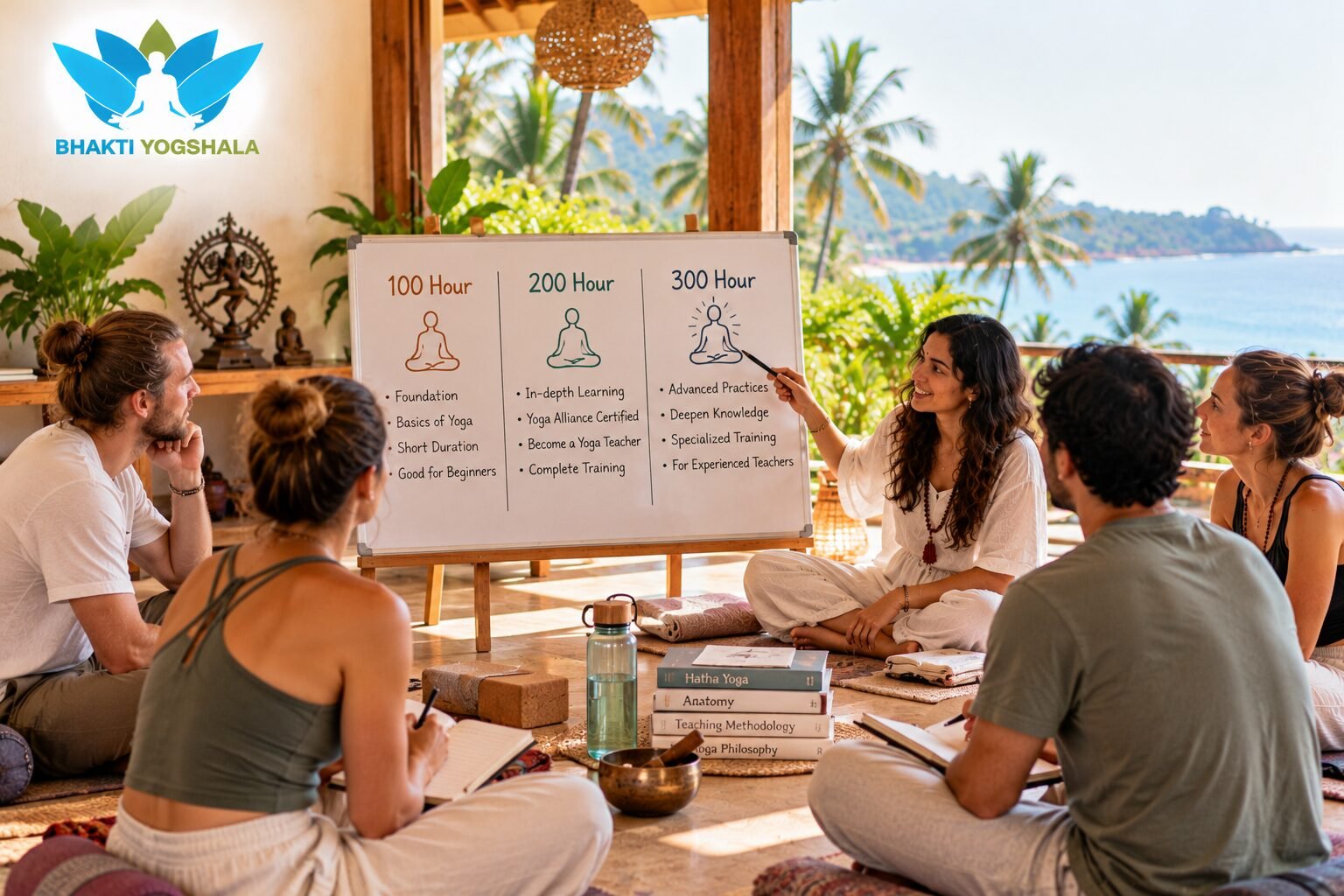
If you are planning to advance your yoga knowledge and teaching abilities, understanding the duration of a 300 hours yoga teacher training in GOA is an important first step. Unlike a foundational 200-hour course, a 300-hour program is designed for practitioners who already have a basic understanding of yoga and want to develop more advanced skills. Depending on the school, schedule, and learning format, the training may take several weeks to a few months to complete.
Goa is a popular destination for immersive yoga education because students can combine structured learning with a peaceful environment, regular practice, and exposure to a diverse yoga community. However, the exact duration depends on how the course is organized and how many hours students study each day.
What Is a 300-Hour Yoga Teacher Training Program?
A 300-hour yoga teacher training is generally considered an advanced-level program that builds upon foundational teacher education. It is intended to deepen a student’s understanding of yoga philosophy, teaching methodology, anatomy, meditation, pranayama, sequencing, and specialized practices.
Rather than simply adding more hours of physical yoga practice, the course usually explores subjects in greater depth. Students may examine advanced asanas, subtle anatomy, therapeutic approaches, meditation techniques, teaching strategies, and more sophisticated class sequencing.
Many students undertake this type of training after completing a 200-hour qualification. However, admission requirements vary between schools, so prospective participants should always check the specific prerequisites.
How Long Does a 300 Hours Yoga Teacher Training in GOA Take?
The duration of a 300 hours yoga teacher training in GOA can vary considerably. An intensive residential course may be completed in around four to six weeks, while a part-time or weekend-based program can extend over several months.
The number of daily training hours is one of the biggest factors affecting the timeline. A course offering six to eight hours of structured learning each day can finish much faster than one offering only a few hours daily.
The format also matters. Residential programs typically provide a fixed daily schedule involving morning practice, lectures, workshops, teaching assignments, and evening sessions. Part-time programs spread the same educational requirements over a longer period to accommodate working professionals or students with other responsibilities.
Therefore, there is no single standard duration for every 300-hour course.
What Determines the Duration of the Course?
Several factors influence how quickly students complete their training. Understanding these can help you select a program that fits your schedule and learning goals.
Daily Training Schedule
The daily timetable has a direct effect on course duration. Intensive programs may include several sessions throughout the day, covering both practical and theoretical subjects.
A typical day might begin with meditation or pranayama, followed by an asana practice. After breakfast, students may attend anatomy, philosophy, or teaching methodology classes. Afternoon sessions can involve workshops and teaching practice, while evening activities may focus on meditation, reflection, or discussion.
Residential vs. Part-Time Format
Residential training generally has a concentrated schedule. Students stay at or near the training center and dedicate most of their time to yoga education. This format can make it possible to complete the required hours within a relatively short period.
Part-time training is more flexible. Students may attend classes on selected days or weekends, allowing them to continue working or managing personal commitments. The trade-off is that completion takes longer.
Practical Assignments
A 300-hour program may include more than classroom attendance. Students can be required to complete teaching demonstrations, assignments, self-practice, observation sessions, workshops, or assessments.
These components contribute to the overall learning experience and can influence the pace of the program.
What Do You Learn During 300-Hour Training?
An advanced teacher-training course typically expands on the knowledge acquired during foundational yoga education. The curriculum varies by school, but students may study advanced movement, meditation, philosophy, anatomy, and teaching techniques.
Common areas of study include:
- Advanced asana techniques, pranayama, meditation, mudras, bandhas, subtle anatomy, yoga philosophy, and specialized practices.
- Advanced sequencing, teaching methodology, anatomy and physiology, class observation, adjustments, communication skills, workshops, assessment, and supervised teaching.
The emphasis is often on developing greater confidence and adaptability as a teacher. Instead of simply following predetermined sequences, students learn how to design practices around different objectives, experience levels, and individual needs.
Who Should Enroll in a 300-Hour Yoga Teacher Training?
A 300-hour course is generally more suitable for practitioners who already have foundational yoga knowledge. It can be particularly useful for certified yoga teachers who want to expand their teaching skills or specialize in a particular area.
The program may also appeal to experienced practitioners who want deeper philosophical understanding and a more disciplined personal practice.
Before enrolling, review the school’s eligibility requirements. Some institutions may require a recognized 200-hour teacher-training certificate or equivalent experience. Others may have additional prerequisites related to teaching experience.
How to Choose the Best 300 Hour Yoga Teacher Training Goa
Choosing the best 300 hour yoga teacher training Goa requires looking beyond the number of hours advertised. A high-quality program should provide a well-structured curriculum, experienced instructors, meaningful practical sessions, and clear information about certification.
Pay attention to the teaching methodology and the balance between theory and practice. A course that offers extensive supervised teaching can be particularly valuable for instructors who want to become more confident in real classroom situations.
You should also research the daily schedule, accommodation, class size, assessment methods, instructor qualifications, student reviews, and support provided throughout the program.
The best 300 hour yoga teacher training Goa for one student may not be the ideal choice for another. Your decision should reflect your previous experience, preferred yoga tradition, career objectives, budget, and available time.
Can an Affordable 300-Hour Course Still Be High Quality?
Yes, an affordable 300 hour yoga teacher training Goa program can offer good value, but affordability should be evaluated alongside educational quality. The lowest-priced course is not necessarily the best option, particularly if important elements such as accommodation, learning materials, workshops, or assessments are excluded.
When comparing prices, look at the complete package rather than the advertised tuition alone. Find out exactly what is included and whether there are additional costs for accommodation, meals, certification, transportation, or specialized workshops.
An affordable 300 hour yoga teacher training Goa option can be suitable when it combines transparent pricing with experienced instructors, a comprehensive curriculum, practical teaching opportunities, and an appropriate learning environment.
How Intensive Is a 300-Hour Yoga Teacher Training?
A 300-hour course can be physically and mentally demanding. Students may spend many hours each day practicing, studying, observing classes, completing assignments, and participating in discussions.
The intensity depends on the program structure. Residential courses can feel particularly immersive because students are surrounded by yoga throughout the day. This can be beneficial for concentration but requires adequate rest and personal discipline.
Students should avoid viewing the number of hours as a race. The objective is to understand and integrate the material rather than simply complete a required number of classroom hours.
Why Study Advanced Yoga Training in Goa?
Goa provides an environment that many students find conducive to focused study. Its established yoga and wellness culture offers opportunities to interact with practitioners from different backgrounds and experience various approaches to yoga education.
A residential setting can also make it easier to establish a consistent routine. Students can dedicate specific parts of the day to practice, study, reflection, and rest without the distractions associated with their usual routine.
However, location should complement—not replace—the quality of education. When researching programs, investigate the teachers, curriculum, teaching hours, student support, certification, and facilities before making a decision. For example, Bhakti Yogshala may appear during your research, but compare its program details with other suitable options before choosing.
What Happens After Completing 300 Hours?
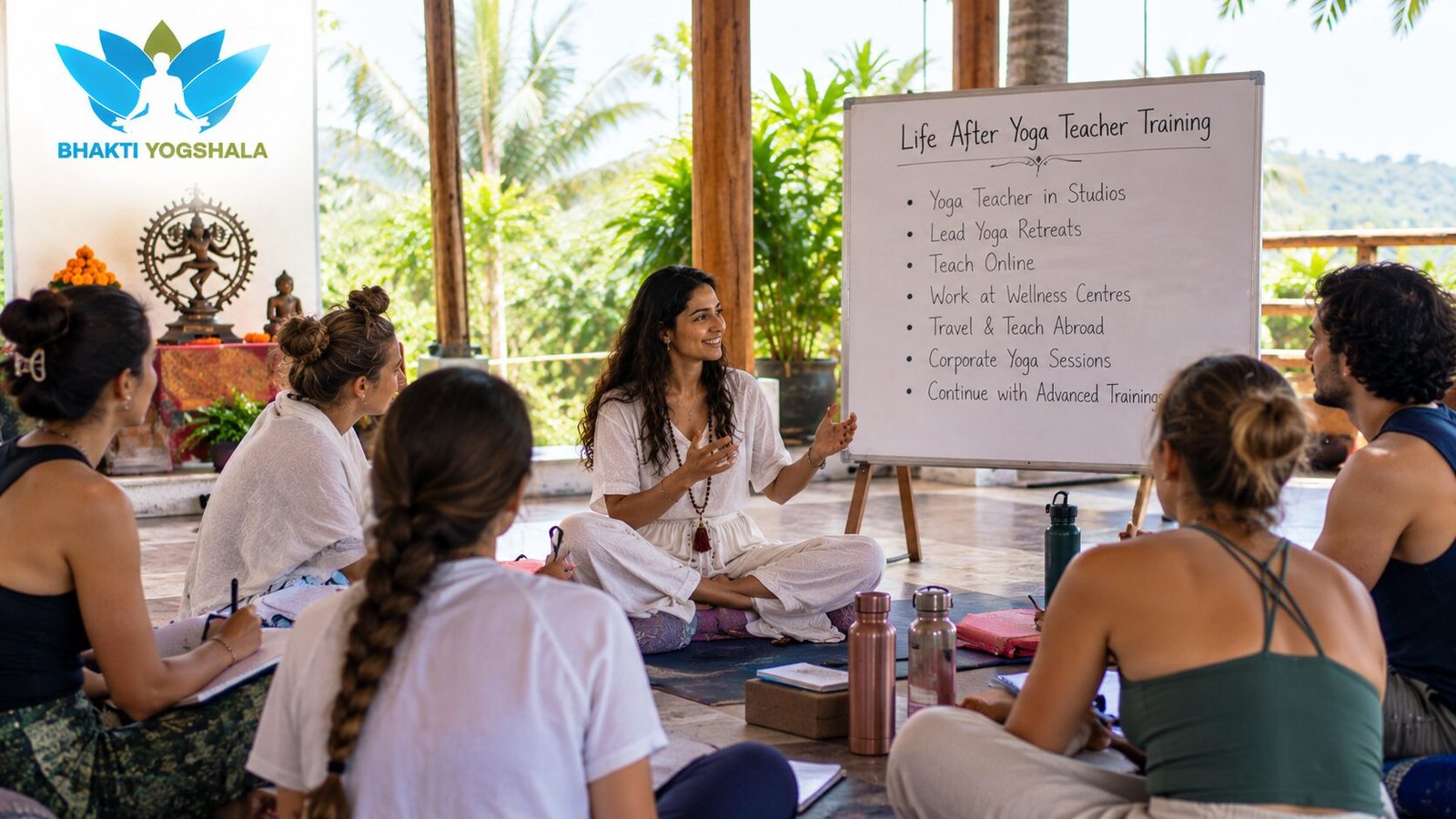
Completing advanced teacher training can open opportunities for continued professional and personal development. Graduates may refine their existing teaching style, develop specialized classes, lead workshops, or explore retreats and private instruction.
Some practitioners continue studying areas such as meditation, restorative yoga, prenatal yoga, yoga therapy, Ayurveda, or specialized movement practices. Others use the experience primarily to deepen their own understanding and personal practice.
A 300-hour program should therefore be viewed as another stage in lifelong yoga education rather than a final qualification.
How to Plan Your Time Before Enrolling
Before booking a course, carefully assess your availability. If you choose an intensive residential program, make sure you can dedicate the required weeks entirely to training. If you have work or family commitments, a modular or part-time course may be more practical.
It is also useful to prepare physically and mentally before the course begins. Establishing a consistent yoga routine, improving basic knowledge of yoga terminology, and becoming familiar with meditation can make the transition into advanced study smoother.
Check the school’s complete timetable and ask about attendance requirements. Missing sessions during an intensive course may be difficult to make up, so understanding the commitment beforehand is essential.
Conclusion
A 300 hours yoga teacher training in GOA can take anywhere from several weeks to several months, depending on whether the program is intensive, residential, modular, or part-time. The total duration is influenced by daily training hours, practical assignments, teaching sessions, assessments, and the structure chosen by the school.
Rather than selecting a course solely because it finishes quickly, consider the depth of the curriculum, instructor experience, practical teaching opportunities, certification, schedule, accommodation, and overall value. The right program should give you enough time to absorb advanced concepts, strengthen your practice, and develop greater confidence as a yoga teacher.
Frequently Asked Questions
1. How many weeks is a 300-hour yoga teacher training?
An intensive residential program may take approximately four to six weeks, while part-time formats can take several months.
2. Do I need a 200-hour certification first?
Many advanced programs expect students to have completed foundational teacher training, but requirements vary by school.
3. Is 300-hour yoga training difficult?
It can be intensive because it combines physical practice, theory, teaching practice, assignments, and self-study.
4. Can I complete 300-hour training part-time?
Yes. Some schools offer modular or weekend-based formats that allow students to balance training with other responsibilities.
5. Is Goa a good place for advanced yoga training?
Goa can provide a supportive environment for immersive study, but students should prioritize curriculum quality, instructors, certification, and practical training when choosing a course.