Completing your first yoga teacher training course can leave you with an important question: what comes next?
Some graduates want to start teaching at a yoga studio. Others prefer private classes, online instruction or further study. You may also want to spend more time developing your personal practice before taking on students.
There is no single route that every graduate needs to follow. Your next step depends on the level of training you completed, the areas you studied and the kind of yoga work you want to pursue.
If you have completed a 200-hour yoga teacher training in Goa or elsewhere, you can use your training as a foundation for exploring teaching opportunities and continuing your education.
What does your first yoga teacher training prepare you for?
A foundational yoga teacher training introduces you to the knowledge and practical skills involved in teaching yoga.
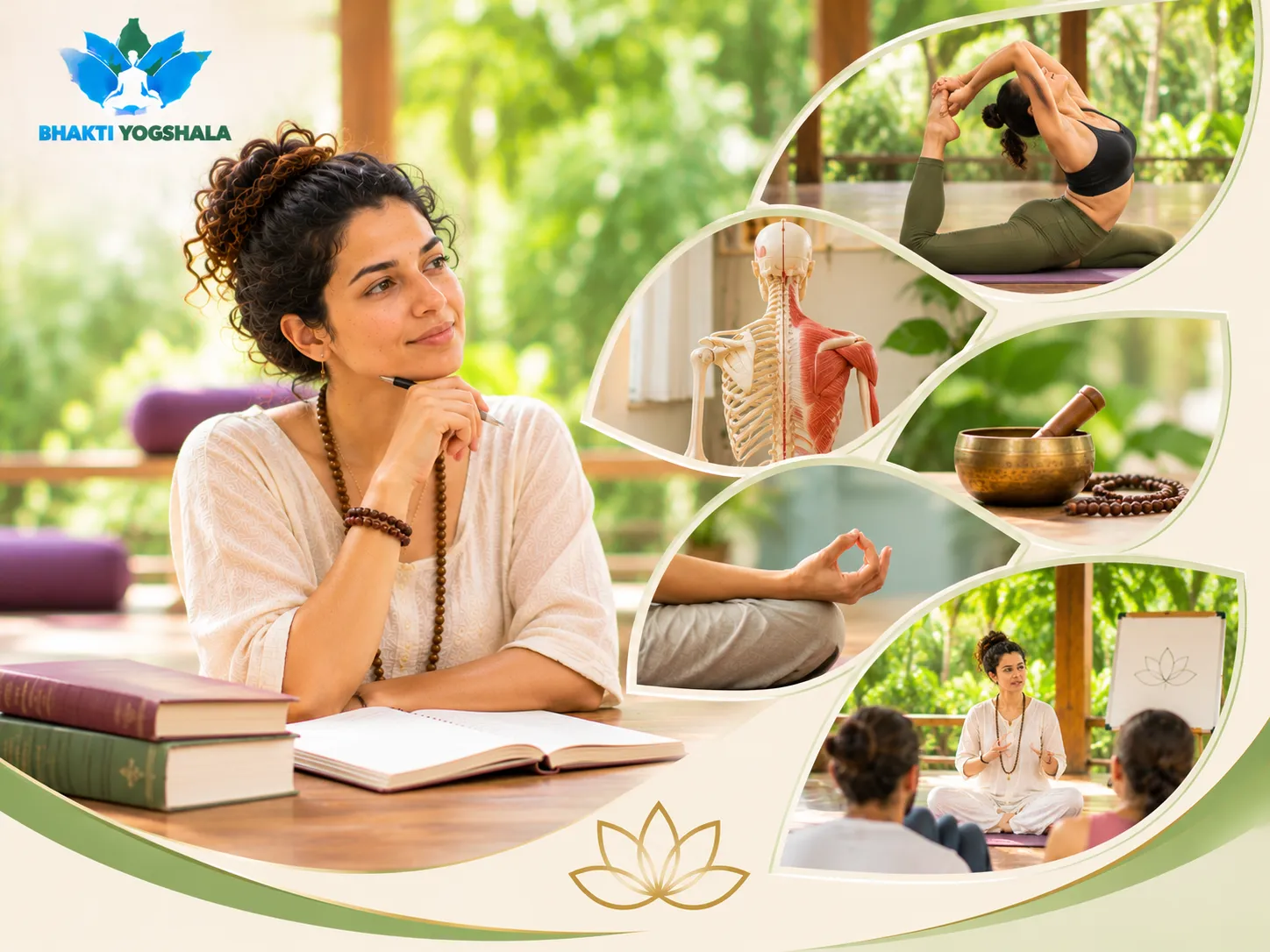
A 200-hour course commonly covers areas such as asana practice, pranayama, meditation, yoga philosophy, anatomy and teaching methodology. The exact curriculum depends on the school and its training standards.
For example, Bhakti Yogshala’s published 200-hour course curriculum includes Hatha, Ashtanga Vinyasa, Vinyasa Flow and Yin Yoga, along with pranayama, meditation, philosophy, anatomy and teaching methodology.
The course page also lists practical components such as demonstrations, observation, classroom management, adjustments and practicum classes.
These subjects give students a starting point. They do not mean that every graduate will feel ready to teach every style or every group of students immediately.
You will need to keep practising, review what you learned and gain experience communicating with students.
Career options after completing yoga teacher training
Your first course can open several possible directions. You do not have to choose a permanent career path immediately.
1. Apply for teaching opportunities at yoga studios
Teaching at a yoga studio is one option to explore after foundational training.
Start by looking at studios that offer general or beginner-level classes. Check their instructor requirements before applying. Some may accept newly trained teachers, while others may ask for previous teaching experience, additional qualifications or a demonstration class.
Before taking on a class, make sure you can:
- Explain and demonstrate the postures you plan to teach.
- Prepare a class sequence with a clear structure.
- Give instructions that students can understand.
- Offer suitable variations when a posture is difficult.
- Manage class timing and student questions.
- Recognise when a student’s needs are beyond your training.
Your first teaching role does not need to be an advanced class. A setting that matches your current experience is a sensible place to begin.
2. Offer private yoga sessions
Private yoga instruction allows you to work with individuals or small groups.
Some students prefer individual sessions because they want a structured practice, more time to ask questions or instruction that suits their current experience.
If you choose this route, build your sessions around what you are trained to teach. Listen to the student’s goals, explain the limits of your instruction and avoid presenting yoga as a substitute for medical care.
You should also be comfortable planning a session, communicating clearly and adapting the practice when a student finds a movement difficult.
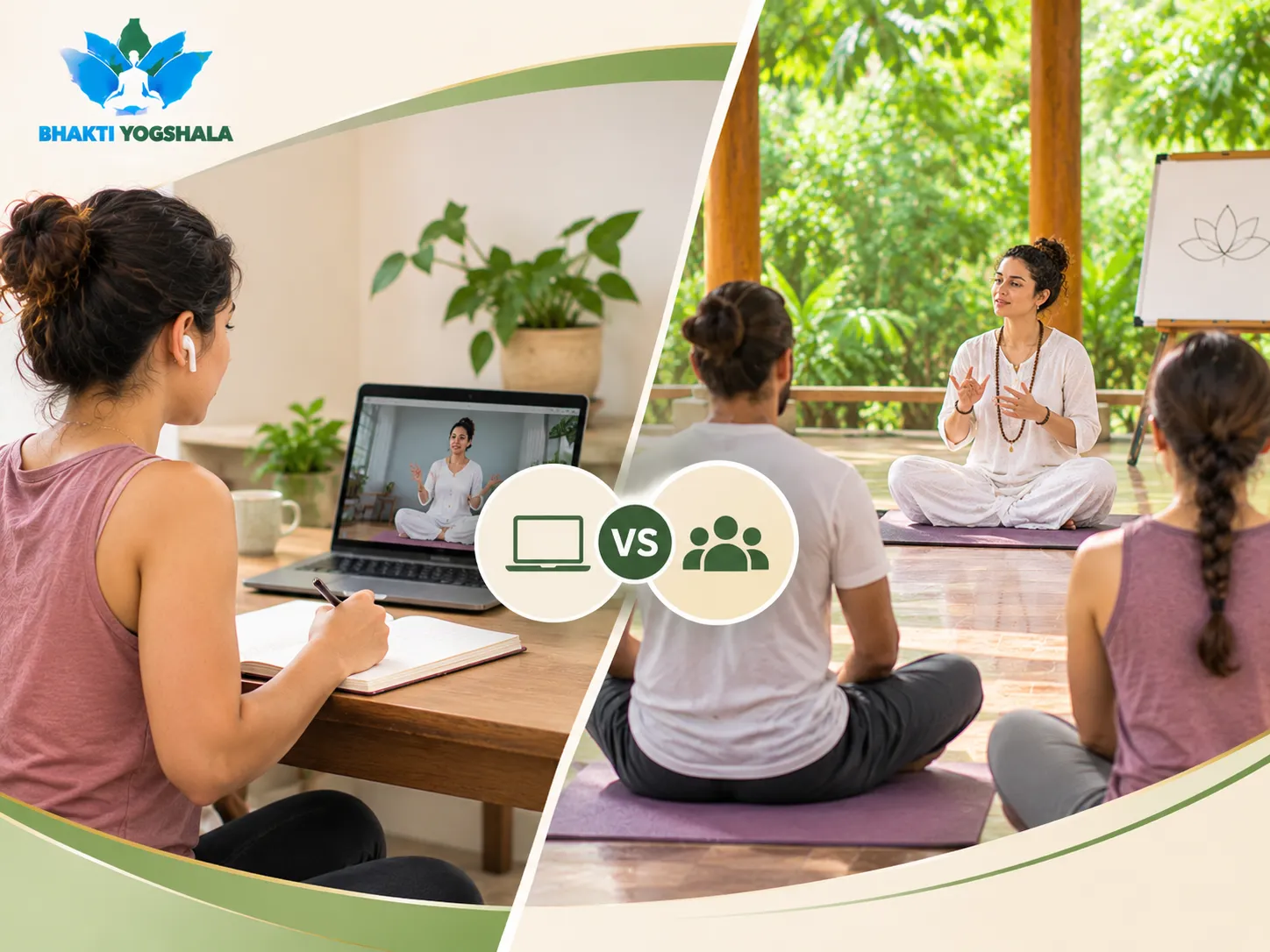
3. Teach yoga online
Online classes can help you reach students who are not in your local area.
You could explore live group classes, individual sessions or recorded lessons. Each format requires preparation. You need a suitable camera position, clear audio, a well-planned sequence and instructions that students can follow without relying on physical adjustments.
Online teaching also requires you to explain modifications carefully. If you cannot observe a student’s movement clearly, do not assume that they are performing a posture safely.
Start with a format that allows you to communicate and supervise the class appropriately.
4. Explore corporate and community classes
Some organisations arrange yoga sessions for employees or community groups.
These classes may be shorter than a regular studio session. Participants can have different levels of experience, so the teacher needs to explain movements in simple language and choose an appropriate level of practice.
If you are interested in this option, practise planning sessions for mixed-ability groups. You may also need to learn how to approach organisations, prepare a class proposal and manage bookings.
5. Conduct workshops
A workshop gives you time to explore one subject in more detail than a regular class.
Depending on your training and experience, you might consider introductory sessions on a yoga style, basic pranayama, meditation or yoga philosophy.
Choose a subject you understand well. A workshop should have a clear learning purpose, and its content should stay within your knowledge and qualifications.
As you gain experience, you can ask participants for feedback and use it to improve future sessions.
6. Work towards leading yoga retreats
Some yoga teachers eventually become involved in retreats.
A retreat may include regular yoga classes alongside meditation, philosophy or other scheduled activities. Leading one involves more than teaching postures. You need to plan sessions, communicate with participants, organise timings and coordinate practical arrangements.
It is usually sensible to gain experience teaching regular classes before taking responsibility for a retreat.
Bhakti Yogshala lists yoga retreat programmes alongside its teacher-training courses. This gives prospective students a way to explore the school’s wider yoga offerings.
7. Build an independent yoga teaching practice
You may decide to organise your own classes instead of working for a studio.
An independent practice could begin with a small local group or a limited number of private students. You can build gradually as you understand what students need and how much time you can commit.
Teaching is only one part of running a small yoga business. You may also need to manage:
- Class schedules and registrations
- Student communication
- Venue arrangements
- Payments and records
- Promotion and enquiries
- Cancellations and class policies
Do not assume that completing a teacher training course automatically provides business or marketing skills. Those are separate areas you can learn as your practice develops.
What can you do after a 200-hour yoga teacher training?
A 200-hour programme is commonly used as foundational yoga teacher training. For graduates who want to teach, the next step may be to explore suitable teaching opportunities and build practical experience.
A useful starting plan is:
- Review your course material and identify areas that need more practice.
- Continue your own regular yoga practice.
- Prepare and rehearse beginner-friendly class sequences.
- Ask an experienced teacher for feedback where possible.
- Research studios or organisations and understand their instructor requirements.
- Keep a record of your teaching experience.
- Decide whether you want to pursue further training or a particular teaching area.
If you intend to apply for a Yoga Alliance credential, check its current requirements directly. Completing a course and obtaining a professional registration are not necessarily the same step.
Yoga Alliance explains that the RYT 200 credential is associated with completing a qualifying 200-hour training at a Registered Yoga School and meeting its application requirements. Check the school’s current registration and the credential requirements before relying on a certificate for professional applications.
Are you ready to start teaching?
Finishing a course does not mean you have to start teaching immediately. It is reasonable to take time to practise and become more comfortable with the subjects you studied.
Before accepting your first class, ask yourself:
- Can I plan a class that has a clear beginning, middle and end?
- Can I explain postures without relying only on demonstrations?
- Do I understand the basic purpose and limitations of the practices I teach?
- Can I offer an easier variation when a student needs one?
- Do I know when a student’s request is outside my training?
- Can I manage the class without rushing through the sequence?
If some answers are uncertain, spend time practising and seek feedback. You can also look for opportunities to observe experienced teachers or assist where the school or studio permits it.
A first class should match your current ability. You can take on more responsibility as your teaching skills develop.
Should you continue with a 300-hour yoga teacher training?
A 300-hour course may be worth considering after you have completed foundational training and understand what you want to study next.
Advanced training can help teachers explore subjects such as teaching methodology, sequencing, anatomy, philosophy and advanced practices in greater depth. The curriculum varies between schools, so review the actual syllabus rather than choosing a programme based only on its number of hours.
Yoga Alliance recognises different training pathways for the RYT 500 credential. Its published standards describe a route involving a qualifying 200-hour training followed by a separate qualifying 300-hour advanced training, or a qualifying 500-hour programme. Additional teaching and application requirements also apply.
If this is your goal, check the latest requirements with Yoga Alliance before enrolling.
Bhakti Yogshala lists a 300-hour yoga teacher training programme in Goa. You can review its course details to see whether the curriculum matches your learning goals.
Do you need additional training to teach specialized yoga?
A general 200-hour YTT course does not automatically prepare you to teach every specialist group.
If you want to work with children, pregnant students, older adults or people with specific health needs, investigate the additional knowledge and training expected for that work.
For example, prenatal yoga and children’s yoga involve considerations that go beyond a general group class. Look for a course with a relevant syllabus and check any professional or organisational requirements that apply.
Yoga Alliance has separate credentials for areas such as children’s and prenatal yoga. Review its current standards before describing yourself as a specialist teacher.
A practical plan for your first six months after YTT
You do not need to decide your entire career immediately after graduation. Use the first few months to work out which parts of teaching interest you and where you need more practice.
Month 1: Review your training
Go through your notes, course materials and class sequences. Identify the areas you feel confident teaching and the ones that need further study.
Month 2: Practise teaching
Prepare short classes and rehearse your instructions. Ask a suitable teacher or peer to observe and provide feedback.
Month 3: Explore teaching settings
Research local studios, community groups and online teaching options. Read their instructor requirements before applying.
Month 4: Build a simple teaching routine
If you have an appropriate opportunity, begin with a class that matches your experience. Keep notes about timing, student questions and areas you want to improve.
Month 5: Review your direction
Consider whether you prefer group teaching, private sessions, online classes or further study. You do not need to pursue every option.
Month 6: Plan your next learning step
Choose a workshop, additional study or advanced teacher training based on a specific gap in your knowledge. Avoid enrolling in another course simply because you feel you must collect more certificates.
Explore yoga teacher training at Bhakti Yogshala
Bhakti Yogshala is located on Agonda Beach Road in Agonda, Goa. Its website lists 100-hour, 200-hour and 300-hour yoga teacher training options, with the 200-hour Goa programme covering multiple yoga styles, philosophy, anatomy, pranayama, meditation and teaching methodology.
If you are comparing a first yoga teacher training course, review the curriculum, teaching practice, course format and certification information carefully. Ask the school any questions you have about the programme and the documentation provided after completion.
You can explore the 200-hour yoga teacher training in Goa or contact Bhakti Yogshala for course information.
Your first teacher training gives you a place to begin. The next stage is to keep practising, gain experience at a suitable pace and choose further learning that supports the kind of yoga teacher you want to become.
Frequently asked questions
Can I teach yoga immediately after completing a 200-hour course?
You can begin exploring suitable teaching opportunities after completing your training, but readiness depends on your practical skills and the requirements of the organisation you approach. Start with classes that match your experience and continue developing your teaching.
Does a 200-hour certificate automatically make me an RYT 200?
No. A course certificate and Yoga Alliance registration are separate. Check that the training meets the relevant requirements and follow Yoga Alliance’s current application process if you want the RYT 200 credential.
What jobs can I explore after yoga teacher training?
Depending on your training and experience, you can explore yoga studio instruction, private classes, online teaching, community sessions, corporate classes and workshops. Retreat teaching and specialist instruction may require further experience or education.
Should I complete a 300-hour course after my first YTT?
It depends on your goals. A 300-hour course may suit graduates who want more advanced study or are following a qualifying RYT 500 pathway. Compare the syllabus and check the current credential requirements before enrolling.
Does completing yoga teacher training guarantee a job?
No. A certificate does not guarantee employment, students or income. Opportunities depend on factors such as teaching ability, experience, location, professional requirements and the demand for classes.
Can I start my own yoga classes after YTT?
You can explore independent classes if your training and experience are suitable. You will also need to manage practical matters such as scheduling, student communication, venue arrangements and payments.
Do I need extra training to teach prenatal or children’s yoga?
You should investigate specialist training before teaching these groups. A general yoga teacher training course may not cover all the knowledge and skills needed for specialist instruction.
Does Bhakti Yogshala offer advanced yoga teacher training in Goa?
Bhakti Yogshala lists a 300-hour yoga teacher training programme in Goa on its website. Review the current course page and contact the school to confirm the curriculum, dates and certification details.